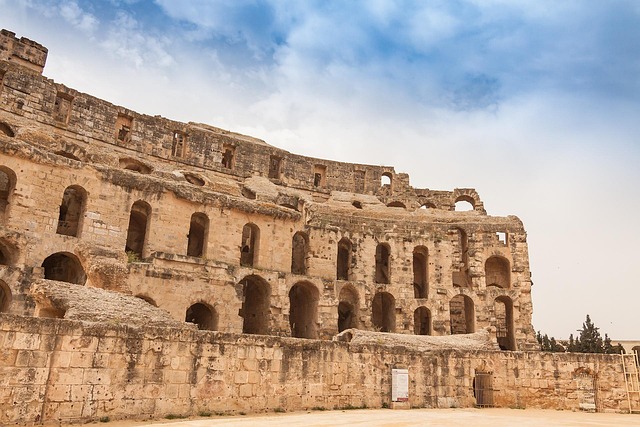
Ancient Rome Time Period
Introduction
The time period of Ancient Rome spans over a millennium, from its legendary founding in 753 BC to the fall of the Western Roman Empire in AD 476. This era is marked by significant political, social, and cultural developments that shaped not only the Mediterranean region but also influenced the course of Western civilization. Understanding the timeline and key events of Ancient Rome provides insight into its enduring legacy.
Founding and Early Republic (753 BC - 509 BC)
According to Roman mythology, the city of Rome was founded by Romulus in 753 BC. Initially, Rome was a monarchy, ruled by a series of kings. The last king, Tarquin the Proud, was overthrown in 509 BC, leading to the establishment of the Roman Republic. This transition marked a significant shift in governance, as power was now held by elected officials and the Senate.
The Roman Republic (509 BC - 27 BC)
The Republic was characterized by a complex system of checks and balances. The Senate, composed of patricians, held significant power, while the plebeians, or common citizens, fought for their rights through the Conflict of the Orders. Key events during this period include:
- The Punic Wars (264 BC - 146 BC): A series of three wars against Carthage that ultimately led to Roman dominance over the western Mediterranean.
- The Gracchi Reforms (133 BC - 121 BC): Efforts by Tiberius and Gaius Gracchus to address social inequality and land distribution issues.
- The Rise of Julius Caesar (49 BC): Caesar's crossing of the Rubicon River marked the end of the Republic and the beginning of civil war.
The Roman Empire (27 BC - AD 476)
In 27 BC, Julius Caesar's adopted heir, Octavian, was granted the title of Augustus, marking the beginning of the Roman Empire. This period is often referred to as the Pax Romana, a time of relative peace and stability across the empire. Key features of the Empire include:
- Expansion: At its height around AD 117, the Roman Empire covered approximately 5 million square kilometers and included diverse cultures and peoples.
- Administrative Reforms: Augustus implemented significant reforms in governance, taxation, and military organization, which helped maintain control over vast territories.
- Infrastructure Development: The construction of roads, aqueducts, and public buildings facilitated trade and communication throughout the empire.
Decline and Fall of the Western Roman Empire (AD 3rd - 5th Century)
The decline of the Western Roman Empire was a complex process influenced by various factors, including economic troubles, military defeats, and internal strife. The Crisis of the Third Century (AD 235 - 284) saw a rapid succession of emperors and civil wars. By the late 4th century, the empire was further weakened by invasions from barbarian tribes. In AD 476, the last Roman emperor, Romulus Augustulus, was deposed, marking the conventional end of the Western Roman Empire.
Legacy of Ancient Rome
The legacy of Ancient Rome is profound and far-reaching. Roman law, governance, engineering, and architecture have influenced modern societies. The Latin language, the basis for many modern languages, emerged from this period. Additionally, the cultural achievements in literature, philosophy, and art continue to be studied and admired today.
Conclusion
Ancient Rome's time period is a testament to human achievement and resilience. From its humble beginnings as a small city-state to its status as a vast empire, Rome's history offers valuable lessons about governance, society, and culture. Understanding this era enriches our appreciation of the foundations of Western civilization.
 kitty_kat

























 The Art Wonderland of Vatican City! 🎨✨
 Health
  Fitness
  Lifestyle
  Tech
Tech  Travel
  Food
Food  Education
  Parenting
  Career & Work
  Hobbies
  Wellness
  Beauty
  Cars
Cars  Art
Art  Science
  Culture
  Books
Books  Music
Music  Movies
  Gaming
  Sports
  Nature
  Home & Garden
  Business & Finance
  Relationships
  Pets
Pets  Shopping
  Mindset & Inspiration
  Environment
  Gadgets
  Politics