
Bacon's Rebellion: A Turning Point in Colonial Virginia
In the tapestry of American history, few events are as intriguing and complex as Bacon's Rebellion. Occurring in 1676, this uprising marked a significant moment in colonial Virginia, highlighting the tensions between the established elite and the discontented frontiersmen. 🌾
At its heart, Bacon's Rebellion was fueled by a mix of social, economic, and political grievances. The rebellion was led by Nathaniel Bacon, a young planter who rallied a diverse group of supporters, including both black and white laborers. This coalition was quite remarkable for its time, as it brought together individuals from various backgrounds united in their frustration against the Virginia aristocracy, represented by Governor William Berkeley.
The Roots of Discontent
The roots of the rebellion can be traced back to the growing frustrations of the settlers on the frontier. Many were struggling to make a living and felt abandoned by the colonial government, which seemed more interested in maintaining peace with Native American tribes than addressing the settlers' needs. Bacon's call for action resonated with those who felt that their voices were being ignored.
Interestingly, the disagreement between Bacon and Berkeley primarily revolved around the treatment of Native Americans. While Bacon advocated for aggressive measures to expand colonial territories, Berkeley preferred a more diplomatic approach. This clash of ideologies not only fueled the rebellion but also underscored the complexities of colonial relations with indigenous peoples.
The Course of the Rebellion
As tensions escalated, Bacon and his followers took matters into their own hands. They launched attacks against Native American villages, which they blamed for the settlers' hardships. The rebellion gained momentum, and for a time, it seemed as though Bacon's forces might succeed in their quest for power. However, the rebellion faced significant challenges.
After Bacon's sudden death from dysentery, the rebellion quickly lost its direction. The remaining rebels, led by John Ingram, struggled to maintain unity and support. Feeding the troops and managing the vast territories proved to be daunting tasks. Ultimately, the rebellion fizzled out, leading to a swift crackdown by colonial authorities.
The Aftermath and Legacy
While Bacon's Rebellion did not achieve its initial goals, it had lasting implications for Virginia and the broader American colonies. Governor Berkeley was recalled to England, and the rebellion highlighted the deep-seated social and economic divisions within colonial society. 🌍
In its wake, the colonial government implemented changes that would shape the future of Virginia. The rebellion served as a cautionary tale about the dangers of social unrest and the need for the ruling class to address the concerns of the common people. It also laid the groundwork for future conflicts and struggles for power in the colonies.
Conclusion
Bacon's Rebellion remains a significant chapter in the story of colonial America. It was a moment when ordinary people stood up against the established order, seeking justice and recognition. The rebellion not only reflects the complexities of colonial life but also serves as a reminder of the ongoing struggles for equity and representation that resonate even today.
As we reflect on this pivotal event, it’s essential to recognize the diverse voices that contributed to its narrative. The interplay of race, class, and power during Bacon's Rebellion continues to inform our understanding of American history and the quest for social justice. 💖

























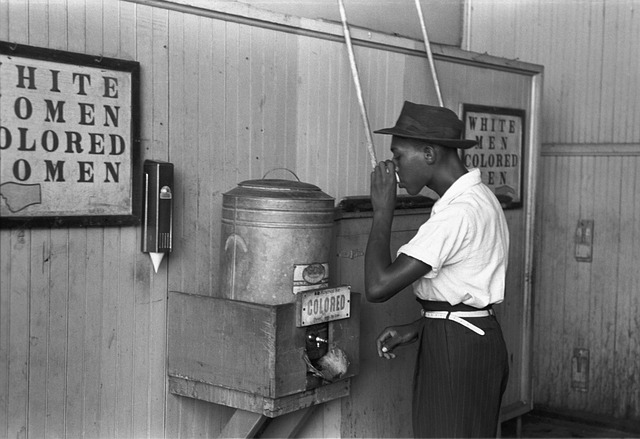
 Vagrancy Laws and Black Codes
 Health
  Fitness
  Lifestyle
  Tech
Tech  Travel
  Food
Food  Education
  Parenting
  Career & Work
  Hobbies
  Wellness
  Beauty
  Cars
Cars  Art
Art  Science
  Culture
  Books
Books  Music
Music  Movies
  Gaming
  Sports
  Nature
  Home & Garden
  Business & Finance
  Relationships
  Pets
Pets  Shopping
  Mindset & Inspiration
  Environment
  Gadgets
  Politics