Barrel Lengths For Ar15
Introduction
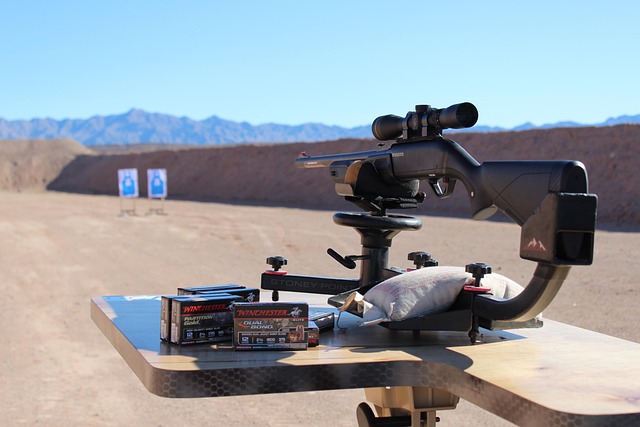
The AR-15 platform has gained immense popularity among firearm enthusiasts, law enforcement, and military personnel alike. One of the critical factors influencing the performance of an AR-15 is its barrel length. Understanding the implications of different barrel lengths can significantly affect accuracy, handling, and overall effectiveness in various shooting scenarios. This article aims to provide a comprehensive overview of barrel lengths for the AR-15, discussing their advantages and disadvantages based on intended use.
Understanding Barrel Lengths
Barrel length is defined as the distance from the chamber to the muzzle of the firearm. For the AR-15, barrel lengths typically range from 10.5 inches to 20 inches, with each length offering distinct characteristics that cater to different shooting needs.
Common Barrel Lengths and Their Uses
- 10.5 Inches: This length is often associated with short-barreled rifles (SBRs). The compact size makes it ideal for close-quarters combat and home defense. However, the shorter barrel can lead to reduced muzzle velocity and increased recoil, which may affect accuracy.
- 14.5 Inches: This length is a popular choice for those seeking a balance between maneuverability and performance. It offers improved ballistics over shorter barrels while still being compact enough for tactical applications. Many states require a pinned muzzle device to meet legal length requirements.
- 16 Inches: Often regarded as the standard barrel length for civilian AR-15s, the 16-inch barrel provides a good compromise between accuracy and handling. It allows for optimal performance with 5.56 NATO ammunition, making it suitable for a variety of applications, including recreational shooting and hunting.
- 18-20 Inches: These lengths are favored for long-range shooting and precision applications. The increased length allows for higher muzzle velocity, which translates to flatter trajectories and improved accuracy at extended distances. This makes them ideal for competitive shooting and varmint hunting.
Factors Influencing Barrel Length Choice
When selecting a barrel length for an AR-15, several factors should be considered:
- Intended Use: The primary purpose of the firearm will dictate the most suitable barrel length. For home defense, shorter barrels may be preferred, while longer barrels are better for precision shooting.
- Ballistics: Barrel length affects the velocity of the bullet as it exits the muzzle. Longer barrels generally provide higher velocities, which can enhance accuracy and terminal performance.
- Handling: Shorter barrels are easier to maneuver in tight spaces, making them advantageous for tactical situations. Conversely, longer barrels may be more stable for precision shooting.
- Legal Considerations: In some jurisdictions, there are specific regulations regarding barrel lengths. It is essential to be aware of local laws to ensure compliance.
Conclusion
Choosing the appropriate barrel length for an AR-15 is a critical decision that can significantly impact performance and usability. Each length serves specific purposes, and understanding these differences is essential for making an informed choice. Whether for home defense, competitive shooting, or hunting, the right barrel length can enhance the overall shooting experience.
Final Thoughts
Ultimately, the best barrel length for an AR-15 is subjective and depends on individual preferences and intended use. It is advisable to test different configurations to determine what works best for personal needs and shooting style.
 sage
sage 























 The Icy Wonderland of Greenland! 🧊
 Health
  Fitness
  Lifestyle
  Tech
Tech  Travel
  Food
Food  Education
  Parenting
  Career & Work
  Hobbies
  Wellness
  Beauty
  Cars
Cars  Art
Art  Science
  Culture
  Books
Books  Music
Music  Movies
  Gaming
  Sports
  Nature
  Home & Garden
  Business & Finance
  Relationships
  Pets
Pets  Shopping
  Mindset & Inspiration
  Environment
  Gadgets
  Politics