Birkat Kohanim in Hebrew and English
Understanding Birkat Kohanim
Birkat Kohanim, or the Priestly Blessing, is a significant ritual in Jewish tradition, deeply rooted in history and spirituality. This blessing is recited by the Kohanim, who are the descendants of Aaron, the brother of Moses. It holds a special place in Jewish liturgy, particularly during festivals and certain occasions in synagogue services.
The Blessing Explained
The Priestly Blessing consists of three verses from the Torah, specifically from Numbers 6:24-26. The text in Hebrew is:
יְבָרֶכְךָ יְהוָה וְיִשְׁמְרֶךָ
יָאֵר יְהוָה פָּנָיו אֵלֶיךָ וִיחֻנֶּךָ
יִשָּׂא יְהוָה פָּנָיו אֵלֶיךָ וְיָשֵׂם לְךָ שָׁלוֹם
In English, this translates to:
May the Lord bless you and keep you.
May the Lord make His face shine upon you and be gracious to you.
May the Lord lift up His countenance upon you and give you peace.
Ritual Significance
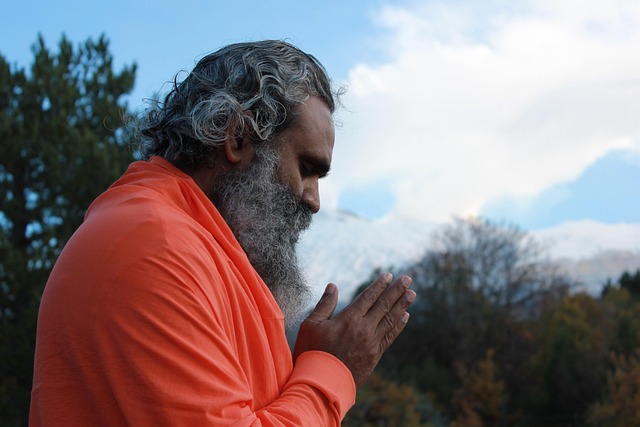
The ritual of Birkat Kohanim is performed with the Kohanim raising their hands in a specific manner, symbolizing the transmission of divine blessings to the congregation. This act is not just ceremonial; it’s believed to invoke protection and favor from God. Many communities observe this blessing during major Jewish holidays, and it can also be recited at bedtime, reflecting its importance in daily life.
Historical Context
The origins of the Priestly Blessing can be traced back to ancient times, with references found in the Torah. The Gemara, a key text in Jewish tradition, mentions that individuals troubled by dreams should reflect on them during the recitation of this blessing. This practice is still observed in many Orthodox communities today, highlighting its enduring relevance.
Modern Practices
In contemporary Jewish life, Birkat Kohanim is often performed during Shabbat and festivals. The Kohanim ascend a platform in the synagogue, known as a dukhan, to deliver the blessing. This act connects the congregation to their heritage and reinforces communal bonds. It’s a beautiful moment that many look forward to, as it encapsulates hope and divine favor.
Conclusion
Birkat Kohanim is more than just a blessing; it’s a rich tradition that connects generations of Jews to their faith and history. Whether recited in Hebrew or English, its essence remains the same—offering peace, grace, and protection to all who receive it. 🌟
 maxpower98























 Get Ready to Swing! The Locations for the WBC 🎉⚾
 Health
  Fitness
  Lifestyle
  Tech
Tech  Travel
  Food
Food  Education
  Parenting
  Career & Work
  Hobbies
  Wellness
  Beauty
  Cars
Cars  Art
Art  Science
  Culture
  Books
Books  Music
Music  Movies
  Gaming
  Sports
  Nature
  Home & Garden
  Business & Finance
  Relationships
  Pets
Pets  Shopping
  Mindset & Inspiration
  Environment
  Gadgets
  Politics