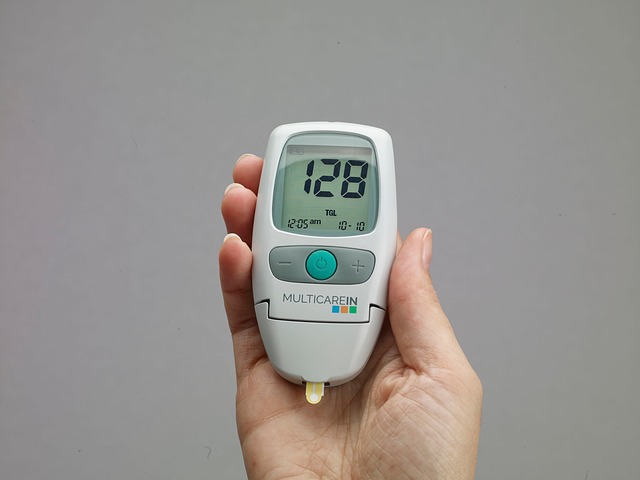
The Importance of Liver Function Tests
The liver is a powerhouse in our bodies, playing a crucial role in digestion, detoxification, and metabolism. So, when it comes to monitoring liver health, a blood test for liver function is a vital step. This test helps assess how well your liver is working and can provide insights into potential issues before they become serious. 🌟
When Should You Get Tested?
While it might seem like a good idea to get a liver function test just for peace of mind, there are specific situations where it’s especially important. Here are some key indicators:
- Symptoms of Liver Disease: If you’re experiencing symptoms like jaundice (yellowing of the skin and eyes), fatigue, or abdominal pain, it’s time to consult your healthcare provider.
- High-Risk Factors: Factors such as heavy alcohol use, obesity, or a family history of liver disease can increase your risk, making regular testing essential.
- Existing Liver Conditions: If you already have liver disease, regular monitoring through blood tests can help track your condition and the effectiveness of treatments.
How Is the Test Conducted?
Getting a liver function test is a straightforward process. A healthcare professional will take a blood sample from a vein in your arm using a small needle. It might sound a bit daunting, but the procedure is quick and usually involves minimal discomfort. Most people only experience slight pain or bruising at the injection site, which fades quickly. 😊
Preparing for the Test
Preparation is key to ensuring accurate results. Here’s what you need to know:
- Fasting: You will likely need to fast for 10-12 hours before the test. This means no food or drink, except for water. It’s essential for getting clear results.
- Medications: Certain medications can affect your test results. Be sure to inform your provider about any medications or supplements you’re taking, but don’t stop taking them unless advised.
Understanding Your Results
Interpreting liver function test results can be complex. The tests measure various enzymes and proteins in your blood, which can indicate how well your liver is functioning. If results are abnormal, it doesn’t always mean there’s a serious issue; it might require further investigation or monitoring. Always discuss your results with your healthcare provider to understand what they mean for your health.
Conclusion
Regular liver function tests are an essential part of maintaining overall health, especially if you have risk factors or existing liver conditions. By staying proactive about your liver health, you can catch potential issues early and take action to protect this vital organ. Remember, your liver works hard for you, so let’s return the favor! 💖
 isabelle

















 What is the Desert Eagle?
 Health
  Fitness
  Lifestyle
  Tech
Tech  Travel
  Food
Food  Education
  Parenting
  Career & Work
  Hobbies
  Wellness
  Beauty
  Cars
Cars  Art
Art  Science
  Culture
  Books
Books  Music
Music  Movies
  Gaming
  Sports
  Nature
  Home & Garden
  Business & Finance
  Relationships
  Pets
Pets  Shopping
  Mindset & Inspiration
  Environment
  Gadgets
  Politics