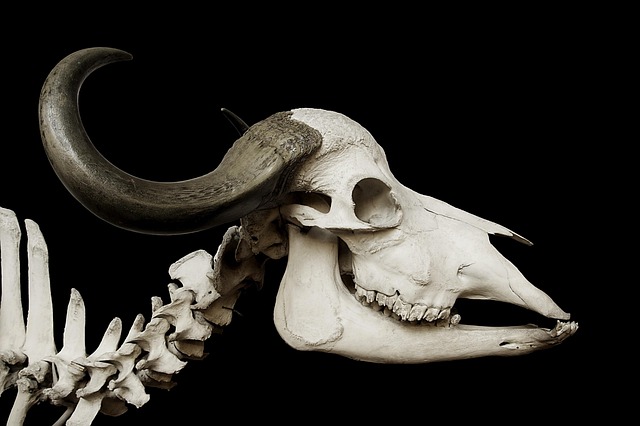
The Bone Structure of the Human Body
The human skeleton is a fascinating framework, a complex assembly of bones that not only supports our body but also protects vital organs, facilitates movement, and serves as a reservoir for minerals. Picture it as a beautiful, intricate sculpture, each piece playing a crucial role in the overall masterpiece of our anatomy. 🌟
The Basics of Bone Structure
At its core, the human skeleton consists of 206 bones in adults, divided into two main categories: the axial skeleton and the appendicular skeleton. The axial skeleton, comprising 80 bones, includes the skull, vertebral column, and rib cage. This part of the skeleton is essential for protecting the brain, spinal cord, and thoracic organs. In contrast, the appendicular skeleton, made up of 126 bones, includes the limbs and girdles, which are vital for movement and interaction with our environment.
Bone Composition
Each bone is a living tissue, composed of a matrix of collagen fibers and minerals, primarily calcium phosphate. This unique combination provides bones with both strength and flexibility. The outer layer of bone, known as cortical bone, is dense and sturdy, while the inner layer, called trabecular or spongy bone, is lighter and contains red marrow, where blood cells are produced. It’s a delicate balance of structure and function, designed perfectly for our needs.
The Axial Skeleton
The axial skeleton serves as the central axis of our body. It includes:
- The Skull: Protecting the brain and housing the structures of the face, the skull is made up of 22 bones that are fused together, providing a solid structure.
- The Vertebral Column: Also known as the spine, it consists of 33 vertebrae that protect the spinal cord and allow for flexibility and movement.
- The Rib Cage: Comprising 12 pairs of ribs, the rib cage protects the heart and lungs while allowing for the expansion and contraction necessary for breathing.
The Appendicular Skeleton
The appendicular skeleton is all about mobility! It includes:
- The Shoulder Girdle: Composed of the clavicle and scapula, this girdle connects the upper limbs to the trunk.
- The Upper Limbs: Each arm consists of 30 bones, enabling a wide range of motion and dexterity.
- The Pelvic Girdle: Formed by the hip bones, it connects the lower limbs to the body and supports organs in the lower abdomen.
- The Lower Limbs: Like the upper limbs, each leg contains 30 bones, designed for weight-bearing and movement.
Bone Health
Maintaining healthy bones is essential for overall well-being. Factors such as diet, exercise, and lifestyle choices play a significant role in bone health. Calcium and vitamin D are vital nutrients that support bone density, while weight-bearing exercises help strengthen bones and improve balance. Remember, taking care of your bones is like nurturing a beautiful garden; it requires attention and care! 🌼
Conclusion
The bone structure of the human body is not just a collection of bones; it’s a dynamic system that supports, protects, and enables us to thrive. Understanding this intricate framework can inspire a deeper appreciation for our bodies and motivate us to take proactive steps toward maintaining our bone health. So, let’s celebrate our skeletons and treat them with the love and care they deserve!























 Kidney Transplant Rabies
 Health
  Fitness
  Lifestyle
  Tech
Tech  Travel
  Food
Food  Education
  Parenting
  Career & Work
  Hobbies
  Wellness
  Beauty
  Cars
Cars  Art
Art  Science
  Culture
  Books
Books  Music
Music  Movies
  Gaming
  Sports
  Nature
  Home & Garden
  Business & Finance
  Relationships
  Pets
Pets  Shopping
  Mindset & Inspiration
  Environment
  Gadgets
  Politics