
The Art of Letting Go: Understanding Non-Attachment in Buddhism
In a world where we are constantly bombarded with notifications, social media updates, and the latest must-have gadgets, the idea of non-attachment might seem like a distant dream—kind of like your New Year’s resolution to hit the gym more often. But fear not! The wisdom of Buddhism offers us a way to navigate life’s ups and downs with grace and humor.
What is Non-Attachment?
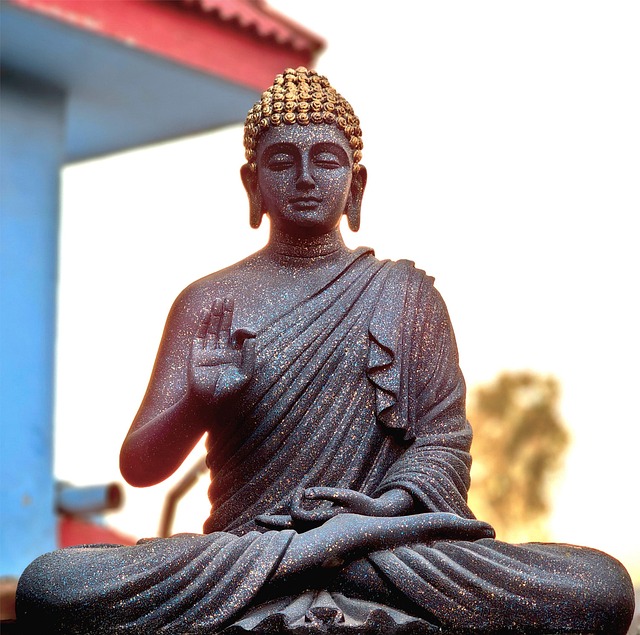
At its core, non-attachment is about not clinging to things, people, or even emotions. It’s like holding a beach ball while standing in the ocean; you can enjoy it, but if you grip it too tightly, you’ll miss out on the waves crashing around you. The Buddha, born Siddhartha Gautama, preached that attachment leads to suffering. So, if you find yourself obsessing over that perfect avocado toast recipe or your neighbor’s new car, it might be time to take a step back.
The Middle Way: Finding Balance
Now, let’s introduce the concept of the Middle Way. This isn’t a fancy yoga pose, but rather a balanced approach to life. Think of it as the Goldilocks of philosophies—neither too hot nor too cold, but just right. The Middle Way encourages us to avoid extremes, whether that’s excessive attachment or complete aversion. It’s about cultivating a sense of harmony in our relationships, allowing us to love deeply without losing ourselves.
- Practice Mindfulness: Pay attention to your thoughts and feelings without judgment. Acknowledge them, then let them float away like clouds in the sky.
- Embrace Impermanence: Everything is temporary, including that avocado toast. Recognizing this can help reduce the sting of loss.
- Develop Compassion: Show kindness to yourself and others. We’re all just trying to figure it out, one beach ball at a time.
Why Non-Attachment Matters
Practicing non-attachment can lead to a treasure trove of benefits. Imagine waking up each day without the weight of expectations or the fear of losing what you love. Inner peace, mental clarity, and a sprinkle of joy can become your new best friends. Plus, you’ll have more time to binge-watch that series you’ve been meaning to catch up on. Sounds like a win-win, right? 🎉
Critiques and Considerations
Of course, not everyone is on the non-attachment bandwagon. Some critics argue that this philosophy can lead to emotional detachment or a lack of commitment in relationships. But remember, non-attachment doesn’t mean you stop caring; it’s about loving without the fear of loss. It’s like enjoying a delicious dessert without worrying about the calories. Indulge, but with a mindful bite!
In Conclusion
Non-attachment is a powerful tool in the Buddhist toolkit for navigating life’s rollercoaster. By embracing the Middle Way, we can cultivate a sense of balance and harmony that allows us to enjoy life’s moments without being overwhelmed by them. So, the next time you find yourself gripping tightly to something—be it a grudge or a fancy coffee order—remember to loosen your grip and ride the wave instead. 🌊
 bruce.bridge























 Rev Up Your Engines at High Octane Classics!
 Health
  Fitness
  Lifestyle
  Tech
Tech  Travel
  Food
Food  Education
  Parenting
  Career & Work
  Hobbies
  Wellness
  Beauty
  Cars
Cars  Art
Art  Science
  Culture
  Books
Books  Music
Music  Movies
  Gaming
  Sports
  Nature
  Home & Garden
  Business & Finance
  Relationships
  Pets
Pets  Shopping
  Mindset & Inspiration
  Environment
  Gadgets
  Politics