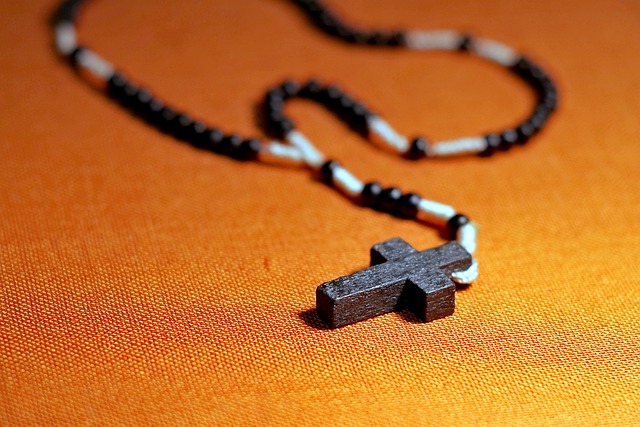
Catholicism and Orthodoxy
Catholicism and Orthodoxy are two of the oldest branches of Christianity, each with a rich history and distinct beliefs. While they share many core tenets, their differences have led to a complex relationship over the centuries. This article aims to explore these differences and similarities, focusing on key aspects such as authority, sacraments, and theological beliefs.
Historical Context
The split between Catholicism and Orthodoxy, often referred to as the Great Schism, occurred in 1054 AD. This division was primarily due to political, cultural, and theological disagreements. The Eastern Orthodox Church emerged, rejecting the authority of the Pope in Rome, which has been a significant point of contention ever since.
Authority and Leadership
One of the most notable differences between Catholicism and Orthodoxy is their understanding of authority. In Catholicism, the Pope is regarded as the supreme leader and holds a unique position as the successor of Saint Peter. This papal authority is central to Catholic doctrine and governance.
In contrast, the Orthodox Church operates through a conciliar model, where authority is distributed among various bishops and patriarchs. Each national church is self-governing, and decisions are made collectively rather than through a single leader. This structure reflects a commitment to maintaining the traditions and practices of the early Church.
The Sacraments
Both Catholicism and Orthodoxy recognize the importance of sacraments, viewing them as vital means of grace. However, there are differences in their understanding and practice. Both traditions affirm seven sacraments: Baptism, Eucharist, Confirmation, Reconciliation, Anointing of the Sick, Holy Orders, and Matrimony.
In Catholicism, the Eucharist is central to worship, with the belief in transubstantiation, where bread and wine become the actual body and blood of Christ. The Orthodox Church also believes in the real presence of Christ in the Eucharist but does not define the process in the same way, emphasizing the mystery of the sacrament.
Theological Differences
Another area of divergence lies in theological beliefs. For instance, Catholics believe in Purgatory, a state of purification before entering Heaven, while the Orthodox Church does not hold this doctrine. Instead, Orthodox theology emphasizes the transformative process of salvation and the importance of the community of believers.
Additionally, the concept of original sin is interpreted differently. Catholics view it as a condition inherited from Adam and Eve, necessitating baptism for salvation. The Orthodox Church acknowledges the fall but focuses more on the potential for human cooperation with divine grace throughout life.
Similarities and Shared Beliefs
Despite these differences, Catholicism and Orthodoxy share a profound respect for the traditions of the early Church. Both traditions uphold the Nicene Creed, affirming core beliefs about the Trinity and the nature of Christ. The veneration of saints and the importance of liturgical practices are also common threads that bind these two branches of Christianity.
Furthermore, both churches emphasize the significance of community and the role of the Church as the body of Christ on Earth. This shared understanding fosters a sense of unity, even amidst theological disagreements.
Conclusion
The relationship between Catholicism and Orthodoxy is intricate, marked by both shared beliefs and significant differences. Understanding these nuances can foster greater appreciation for the rich tapestry of Christian faith and practice. As both traditions continue to evolve, dialogue and mutual respect remain essential for bridging the gaps that have historically divided them.
 harper_lane




















 Crossover Pop Smoke Braids
 Health
  Fitness
  Lifestyle
  Tech
Tech  Travel
  Food
Food  Education
  Parenting
  Career & Work
  Hobbies
  Wellness
  Beauty
  Cars
Cars  Art
Art  Science
  Culture
  Books
Books  Music
Music  Movies
  Gaming
  Sports
  Nature
  Home & Garden
  Business & Finance
  Relationships
  Pets
Pets  Shopping
  Mindset & Inspiration
  Environment
  Gadgets
  Politics