Classical Architecture Elements
Understanding Classical Architecture Elements
Ah, classical architecture! The grand structures that make you feel like you’ve stepped into a time machine, but instead of landing in the past, you’re just at your local museum. These architectural wonders are not just pretty facades; they’re rich with history and a vocabulary of design elements that have stood the test of time. So, let’s take a stroll through the columns, pediments, and other delightful bits that make up this fascinating style.
The Basics of Classical Architecture
Classical architecture has its roots firmly planted in ancient Greece and Rome. It’s like that classic rock band you never get tired of, no matter how many times you hear their hits. But what exactly makes something “classical”? Here’s a quick rundown:
- Proportions: Classical architecture loves its numbers. Think of it as the math nerd of the architectural world. The proportions of columns, walls, and spaces are meticulously calculated to create harmony and balance.
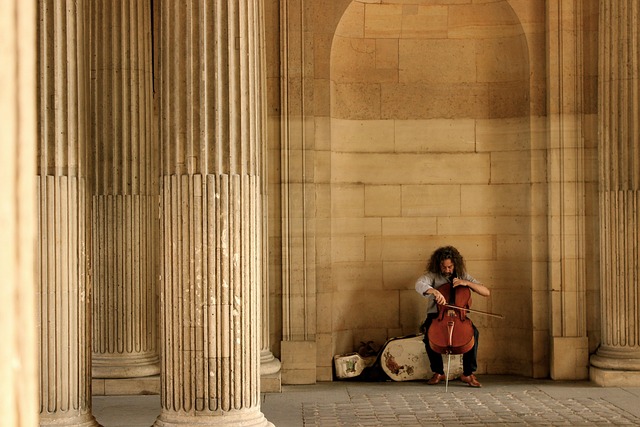
- Columns: These are the rock stars of classical architecture. The three main styles—Doric, Ionic, and Corinthian—each have their own personality. Doric is the no-nonsense type, Ionic is a bit more playful with its scrolls, and Corinthian is the fancy one, showing off its elaborate leaves.
- Pediments: The triangular tops of buildings that are like the icing on a cake. They often feature sculptures or reliefs, telling stories of gods, heroes, or just really important people.
- Symmetry: If classical architecture were a person, it would be the one who always shows up to parties perfectly coordinated. Everything is balanced and aligned, making for a pleasing aesthetic.
Key Elements in Classical Architecture
Now that we’ve covered the basics, let’s dive into some key elements that truly define classical architecture:
- Caryatids: These are the stunning female figures that support a building, like a strong friend helping you carry your groceries. The Erechtheion in Athens showcases these beauties, and they’re a perfect example of art meeting functionality.
- Entablature: This is the horizontal structure supported by columns, and it’s where the magic happens. Think of it as the stage where all the decorative elements come together, including friezes and cornices.
- Porticoes: A fancy word for a porch that’s a bit more than just a place to kick off your shoes. Porticoes often feature rows of columns and serve as grand entrances to buildings.
- Domes: These are the architectural equivalent of a cherry on top. Domes add a sense of grandeur and can be found in many classical buildings, like the Pantheon in Rome.
Why Classical Architecture Still Matters
In a world that seems to crave the new and shiny, classical architecture reminds us of the beauty of tradition. These structures have inspired countless architects and designers throughout the ages. They’re like the wise grandparents of the architectural family, passing down their knowledge and style through generations.
So, the next time you walk past a classical building, take a moment to appreciate the intricate details and the thought that went into its design. Who knows? You might just find yourself drawn into a world where columns tell stories, and pediments are the stuff of legends! 🏛️
 jen.luvs.pizza


























 ग्रंथालयाचे प्रकार स्पष्ट करा
 Health
  Fitness
  Lifestyle
  Tech
Tech  Travel
  Food
Food  Education
  Parenting
  Career & Work
  Hobbies
  Wellness
  Beauty
  Cars
Cars  Art
Art  Science
  Culture
  Books
Books  Music
Music  Movies
  Gaming
  Sports
  Nature
  Home & Garden
  Business & Finance
  Relationships
  Pets
Pets  Shopping
  Mindset & Inspiration
  Environment
  Gadgets
  Politics