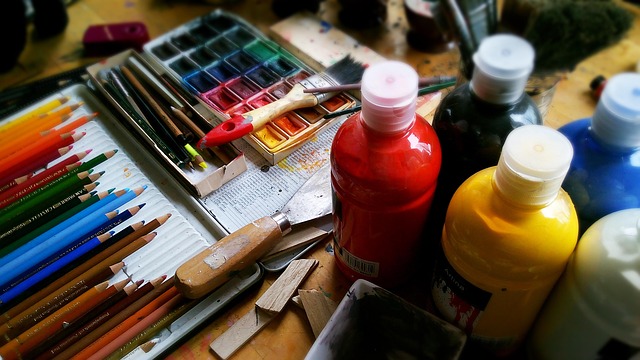
The Color Blending Chart
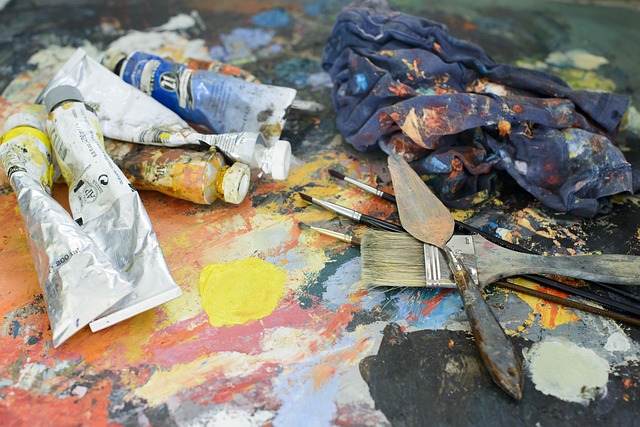
Ah, color mixing—the magical realm where blue meets yellow and suddenly you have green! Or, if you’re like many aspiring artists, where blue meets yellow and you just end up with a muddy mess. Fear not! A color blending chart can be your trusty sidekick in navigating this colorful adventure.
Why Use a Color Blending Chart?
A color blending chart is not just a fancy piece of paper to hang on your wall. It’s an essential tool for any artist looking to master the art of color mixing. With just a few primary colors, you can create a dazzling array of shades. For instance, with six colors, you can mix up to 36 different hues! Imagine the possibilities—your next masterpiece could be just a mix away.
Getting Started: What You’ll Need
Before diving into the colorful world of blending, gather your supplies. Here’s a short list:
- Paints: Choose your primary colors—red, blue, yellow, and perhaps a few others to spice things up.
- Paper: A thick watercolor paper works wonders.
- Brushes: Different sizes for different strokes. Don’t forget the small one for those intricate details!
- Water: For rinsing brushes and keeping your paints fresh.
- Pencil: To sketch out your grid.
And of course, a sense of adventure is mandatory! 🎨
Creating Your Color Blending Chart
Now that you have your supplies, it’s time to create that chart! Here’s a simple step-by-step guide:
- Draw a Grid: Start by sketching a grid on your paper. You can opt for a 6x6 or 12x12 grid, depending on how ambitious you’re feeling.
- Label the Axes: Label one axis with your primary colors and the other with the colors you want to mix them with.
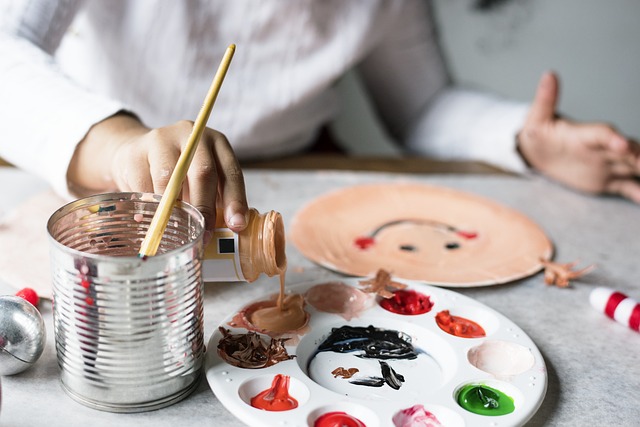
- Mix Away: In each square, mix the corresponding colors and paint them in. Voila! Your chart is coming to life.
Tips for Successful Color Mixing
Mixing colors can be a bit of a trial-and-error process. Here are a few tips to help you along the way:
- Start Small: Mix small amounts of paint to avoid wasting your precious supplies.
- Keep a Record: Write down your color combinations for future reference. You might just stumble upon a shade you absolutely love!
- Experiment: Don’t be afraid to mix colors that aren’t on your chart. Sometimes the best colors are the ones you create by accident.
Final Thoughts
Creating a color blending chart is not just a fun activity; it’s a fantastic way to improve your painting skills. So grab those brushes, unleash your inner artist, and let the colors collide! Who knows, you might just find your new favorite shade hiding in that chart. Happy mixing! 🌈











 Upholstery Cleaner: A Guide to DIY Solutions
 Health
  Fitness
  Lifestyle
  Tech
Tech  Travel
  Food
Food  Education
  Parenting
  Career & Work
  Hobbies
  Wellness
  Beauty
  Cars
Cars  Art
Art  Science
  Culture
  Books
Books  Music
Music  Movies
  Gaming
  Sports
  Nature
  Home & Garden
  Business & Finance
  Relationships
  Pets
Pets  Shopping
  Mindset & Inspiration
  Environment
  Gadgets
  Politics