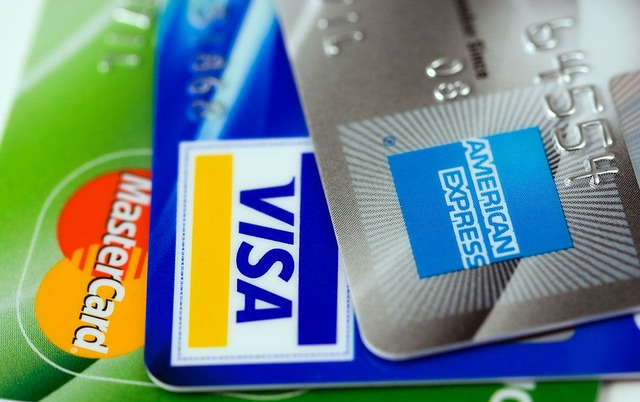
Convenience Fees on Debit Cards
Understanding Convenience Fees on Debit Cards
In today’s fast-paced world, convenience is key, especially when it comes to making payments. But have you ever noticed those little extra charges that pop up when you use your debit card? Let’s dive into the world of convenience fees and surcharges, particularly focusing on debit cards, to understand what they are and why they exist.
What Are Convenience Fees?
Convenience fees are charges that some businesses impose when you choose to pay using a specific method, like a debit or credit card. They’re meant to cover the costs associated with processing those payments. For instance, if you’re paying a utility bill online and see a $3 fee, that’s a convenience fee. It’s important to note that this fee is separate from the actual price of the service or product you’re purchasing.
Are Convenience Fees Legal?
The legality of convenience fees can be a bit murky. Generally, businesses can charge these fees as long as they inform you about them upfront. However, there are regulations in place, like the Durbin Amendment, which affects how debit card transactions are handled. This amendment prohibits certain banks from imposing surcharges on debit card transactions, particularly for banks with over $10 billion in assets. So, while convenience fees are legal, there are limits to what can be charged for debit card payments.
Understanding Surcharges vs. Convenience Fees
It’s easy to confuse surcharges with convenience fees, but they’re not quite the same. A surcharge is an additional fee added to the cost of a transaction, often seen when a merchant charges extra for using a credit card. On the other hand, a convenience fee is a flat fee for the convenience of using a specific payment method. For example, if you’re at a concert and they charge you $5 extra for using your debit card at the gate, that’s a surcharge, while a fee for paying your bills online would be a convenience fee.
Why Do Businesses Charge Convenience Fees?
Businesses often impose convenience fees to offset the costs associated with processing card payments. The fees help cover transaction fees that payment processors charge, which can add up quickly. For smaller businesses, these fees can be a necessary way to maintain profitability while still offering customers the convenience of card payments. However, not every business charges these fees, and some may choose to absorb the costs instead.
How to Avoid Convenience Fees
If you want to steer clear of convenience fees, here are a few tips:
- Pay with Cash: This is the simplest way to avoid any extra charges. Cash is still widely accepted and doesn’t come with any processing fees.
- Check Payment Policies: Before making a payment, check if there are any convenience fees associated with your payment method. Many businesses will disclose this information upfront.
- Use Alternative Payment Methods: Some businesses may offer options like ACH transfers or direct bank payments that don’t incur convenience fees.
- Look for Promotions: Occasionally, businesses may waive convenience fees during special promotions, so keep an eye out for those opportunities!
Final Thoughts
Convenience fees on debit cards can be a bit of a double-edged sword. While they help businesses cover processing costs, they can also catch consumers off guard. By understanding what these fees are and how they work, you can make more informed choices about your payment methods. Remember, being aware of your options can save you some money and make your shopping experience a little smoother! 😊
 aria_moon
















 Tour De France Stage 17: What to Expect
 Health
  Fitness
  Lifestyle
  Tech
Tech  Travel
  Food
Food  Education
  Parenting
  Career & Work
  Hobbies
  Wellness
  Beauty
  Cars
Cars  Art
Art  Science
  Culture
  Books
Books  Music
Music  Movies
  Gaming
  Sports
  Nature
  Home & Garden
  Business & Finance
  Relationships
  Pets
Pets  Shopping
  Mindset & Inspiration
  Environment
  Gadgets
  Politics