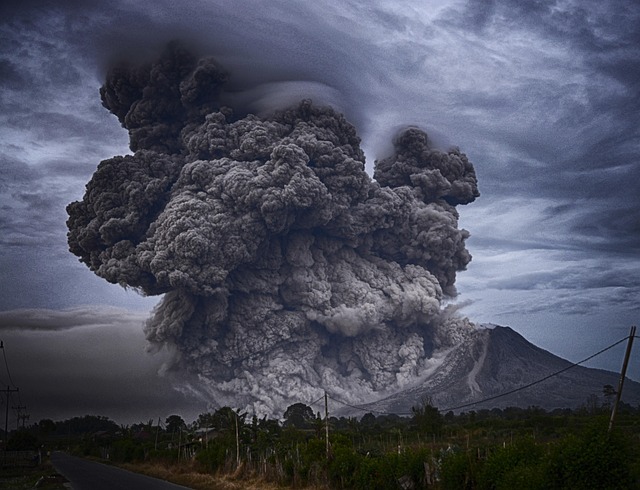
Eruptions of Mt St Helens
Introduction to Mt. St. Helens
Mount St. Helens, located in Washington State, is not just any old mountain; it’s a volcano with a flair for the dramatic. Known for its explosive eruptions, this beauty has been shaping the landscape (and occasionally the headlines) since it blew its top in 1980. 🌋
The Big Bang: 1980 Eruption
The most famous eruption occurred on May 18, 1980, when the mountain decided it was time for a little spring cleaning. The eruption was preceded by a two-month series of earthquakes and steam-venting episodes, which were basically Mother Nature’s way of saying, “Get ready, something big is about to happen!”
When the big day arrived, the north face of the mountain collapsed, unleashing a lateral blast that flattened trees and sent ash flying up to 15 miles into the atmosphere. This eruption is considered one of the most significant volcanic events in U.S. history, and it’s safe to say that it left a mark—literally and figuratively.
Aftermath and Recovery
In the aftermath, the summit of the volcano was owned by the Burlington Northern Railroad, but following the eruption, the United States Forest Service acquired the land. Talk about a hot property! The area was later designated as the Mount St. Helens National Volcanic Monument, a place where visitors can witness the resilience of nature and the power of volcanic activity.
Interestingly, the state of Washington recognized May as “Volcano Awareness Month.” Because who wouldn’t want to celebrate nature’s fiery temper? Events are held at Mt. St. Helens, providing educational opportunities for those curious about the science behind eruptions and the history of this formidable mountain.
What Makes Mt. St. Helens Unique?
So, what sets Mt. St. Helens apart from other volcanoes? For starters, it’s part of the Cascade Range, which is like the VIP section of the volcanic world. The mountain is known for its explosive eruptions and has a history of being quite active—much like a toddler on a sugar high. The 1980 eruption was just one of many, but it certainly was the most memorable.
Mt. St. Helens is a stratovolcano, which means it’s built up from layers of lava flows, ash, and debris. This stratification gives it a conical shape that’s both beautiful and terrifying. It’s like the mountain is wearing a fashionable, yet dangerous, hat.
Visiting Mt. St. Helens Today
Today, visitors flock to Mt. St. Helens to witness its beauty and learn about its geological significance. The visitor center offers educational exhibits and stunning views of the crater, reminding everyone that while nature can be destructive, it also has a remarkable ability to heal.
- Plan your visit during the summer months for the best weather.
- Check out the Johnston Ridge Observatory for breathtaking views and educational programs.
- Bring a camera—trust us, you’ll want to capture this!
- Be aware of the weather; it can change faster than a toddler’s mood.
Conclusion
In conclusion, Mt. St. Helens is more than just a volcano; it’s a testament to the power of nature and a reminder of the beauty that can emerge from destruction. Whether you’re an avid hiker, a geology enthusiast, or just someone who enjoys a good view, Mt. St. Helens has something for everyone. Just remember to keep an eye on the sky; you never know when Mother Nature might decide to throw another party! 🎉
 kevinexe























 Exploring the Cast of Adventures in Babysitting
 Health
  Fitness
  Lifestyle
  Tech
Tech  Travel
  Food
Food  Education
  Parenting
  Career & Work
  Hobbies
  Wellness
  Beauty
  Cars
Cars  Art
Art  Science
  Culture
  Books
Books  Music
Music  Movies
  Gaming
  Sports
  Nature
  Home & Garden
  Business & Finance
  Relationships
  Pets
Pets  Shopping
  Mindset & Inspiration
  Environment
  Gadgets
  Politics