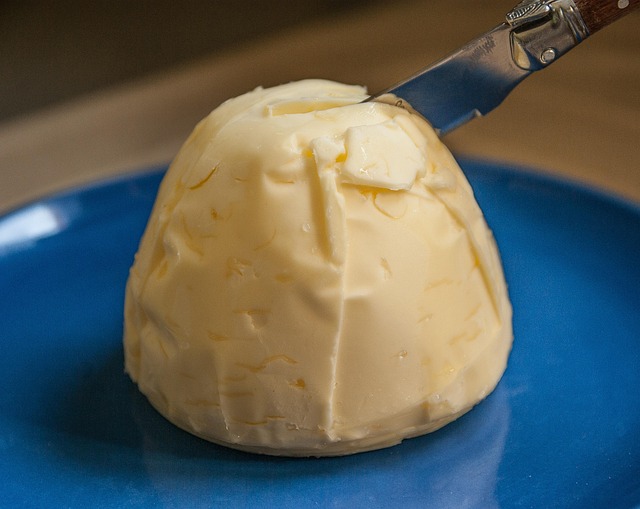
European Butter Fat Content
Understanding European Butter Fat Content
When it comes to butter, fat content is a crucial factor that can significantly influence flavor, texture, and even the outcome of your baking. European butter, in particular, has garnered a reputation for its rich taste and creamy texture, largely due to its higher fat content compared to American butter. But what exactly does that mean for your culinary adventures? Let’s dive in!
What Defines Butter?
The USDA defines butter as having at least 80% fat content. In contrast, European standards are a bit more stringent, with butter containing between 82% and 90% butterfat and a maximum of 16% water. This difference in fat content is one of the main reasons why many people find European butters to be superior. The higher butterfat percentage contributes to a creamier texture and a more intense flavor profile, making it a favorite among chefs and home bakers alike. 🧈
Why Does Fat Content Matter?
Fat is a key player in the baking process. It helps to create a tender crumb in baked goods and adds richness to dishes. The higher the fat content, the more moisture and flavor you can expect. This is particularly important in recipes like pastries or cookies, where the buttery flavor can really shine through. When using European butter, bakers often notice a difference in the final product, with a more pronounced flavor and a delightful texture.
Exploring Popular European Butters
One of the most recognized brands of European-style butter available in the U.S. is Plugrá. This butter contains 82% butterfat, making it a great choice for those looking to replicate the quality of European butter without having to travel across the pond. The name “Plugrá” is derived from the French phrase “plus gras,” which means “more fat.” This butter is known for its consistency, allowing bakers to achieve similar results every time they use it.
How to Use European Butter in Your Cooking
When substituting European butter in recipes, it’s generally a straightforward swap. However, keep in mind that the higher fat content may affect the overall moisture level in your dish. Here are a few tips:
- Adjust for moisture: If a recipe calls for American butter, you might want to slightly reduce other liquid ingredients to balance the extra fat.
- Temperature matters: Ensure your butter is at the right temperature for your recipe. European butter can be a bit firmer due to its higher fat content, so allow it to soften at room temperature before using it in recipes that require creaming.
- Experiment: Don’t be afraid to try different brands and types of European butter. Each has its unique flavor profile that can enhance your dishes in delightful ways.
Final Thoughts
Incorporating European butter into your cooking and baking can elevate your dishes, bringing a depth of flavor and creaminess that’s hard to resist. Whether you’re making a simple batch of cookies or an elaborate pastry, the quality of your butter can make all the difference. So next time you’re at the grocery store, consider reaching for that foil-wrapped block of European butter. Your taste buds will thank you! 😋
 mmcma
mmcma 

















 The Cowabunga King: Michelangelo Ninja Turtle
 Health
  Fitness
  Lifestyle
  Tech
Tech  Travel
  Food
Food  Education
  Parenting
  Career & Work
  Hobbies
  Wellness
  Beauty
  Cars
Cars  Art
Art  Science
  Culture
  Books
Books  Music
Music  Movies
  Gaming
  Sports
  Nature
  Home & Garden
  Business & Finance
  Relationships
  Pets
Pets  Shopping
  Mindset & Inspiration
  Environment
  Gadgets
  Politics