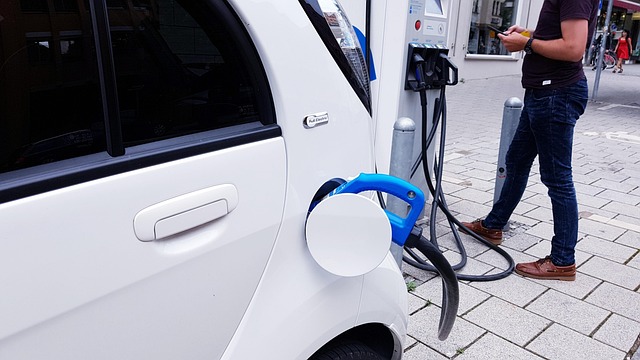
Electric Vehicle Charging Stations
As electric vehicles (EVs) gain popularity, the need for accessible and efficient charging infrastructure becomes increasingly important. Electric vehicle charging stations are essential for supporting the transition to cleaner transportation options. This article provides an overview of EV charging stations, their types, and their significance in the broader context of sustainable energy.
Types of EV Charging Stations
Electric vehicle charging stations can be categorized primarily into three types based on their charging speed and technology:
- Level 1 Charging: This is the most basic form of charging, using a standard 120-volt outlet. It is suitable for home use and provides about 4 to 5 miles of range per hour of charging. While convenient for overnight charging, it is not ideal for quick top-ups.
- Level 2 Charging: Utilizing a 240-volt outlet, Level 2 chargers are commonly found in public charging stations and can provide 10 to 60 miles of range per hour. These stations are increasingly being installed in homes, workplaces, and public areas, making them a popular choice for daily charging needs.
- DC Fast Charging: This type of charging is designed for rapid charging, providing up to 80% charge in approximately 30 minutes. DC fast chargers are typically located along highways and major travel routes, facilitating long-distance travel for EV owners.
The Importance of Charging Infrastructure
The expansion of EV charging stations is crucial for several reasons:
- Convenience: A well-distributed network of charging stations reduces range anxiety, allowing EV owners to travel longer distances without worrying about running out of power.
- Support for Renewable Energy: Many charging stations are being integrated with renewable energy sources, such as solar and wind, which helps to reduce the carbon footprint associated with electric vehicle usage.
- Economic Growth: The development of charging infrastructure creates jobs and stimulates local economies, particularly in areas that are investing in green technologies.
- Government Initiatives: Programs like the National Electric Vehicle Infrastructure (NEVI) Formula Program are designed to fund and promote the establishment of charging stations across the country, further supporting the growth of the EV market.
Current Trends in EV Charging Stations
Recent data from the Department of Energy's Alternative Fuels Data Center indicates a significant increase in the number of EV charging stations in the United States since 2021. This growth is driven by both consumer demand and government initiatives aimed at promoting electric vehicles. The Joint Office of Energy and Transportation also provides resources for stakeholders to plan and implement effective charging infrastructure.
Challenges Facing EV Charging Infrastructure
Despite the positive trends, several challenges remain:
- Accessibility: Not all areas have equal access to charging stations, particularly in rural regions. Addressing this disparity is essential for widespread EV adoption.
- Standardization: The variety of charging connectors and technologies can create confusion for users. Efforts to standardize charging equipment are ongoing but still face hurdles.
- Grid Demand: As more EVs hit the roads, the demand for electricity will increase. Upgrading the electrical grid to handle this demand is a significant challenge that requires investment and planning.
Conclusion
Electric vehicle charging stations are a critical component of the transition to sustainable transportation. As the number of EVs on the road continues to rise, the development of a robust and accessible charging infrastructure will be essential. By understanding the types of charging stations available and the challenges that lie ahead, stakeholders can better prepare for a future where electric vehicles are the norm rather than the exception.
 xan
xan 























 Flyer Design Inspiration
 Health
  Fitness
  Lifestyle
  Tech
Tech  Travel
  Food
Food  Education
  Parenting
  Career & Work
  Hobbies
  Wellness
  Beauty
  Cars
Cars  Art
Art  Science
  Culture
  Books
Books  Music
Music  Movies
  Gaming
  Sports
  Nature
  Home & Garden
  Business & Finance
  Relationships
  Pets
Pets  Shopping
  Mindset & Inspiration
  Environment
  Gadgets
  Politics