Glaciers and Their Melting
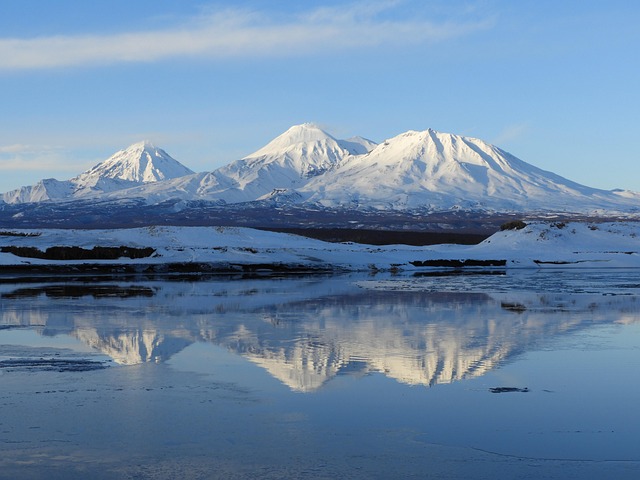
Glaciers are fascinating natural formations that play a crucial role in our planet's ecosystem. They are essentially massive rivers of ice that form over centuries from compacted snow. However, in recent years, these majestic giants have been melting at an alarming rate, raising concerns about the environmental impact and future implications for our world. 🌍
What Causes Glaciers to Melt?
The melting of glaciers is primarily driven by climate change. As global temperatures rise, the balance between the accumulation of snow and the loss of ice is disrupted. Glaciers gain mass through snowfall and lose it through melting, sublimation (where ice turns directly into vapor), and iceberg calving, where chunks of ice break off into the ocean or lakes.
Interestingly, glaciers can also gain mass indirectly. For instance, snow can be moved onto glaciers by wind or avalanches, contributing to their overall mass. However, the current trend shows that losses significantly outweigh gains, leading to a net decline in glacier mass.
The Impacts of Melting Glaciers
The consequences of glacier melting are far-reaching and affect both people and nature. Here are some key impacts:
- Sea Level Rise: As glaciers melt, they contribute to rising sea levels, which can lead to flooding in coastal areas. This is not just a distant threat; it’s already causing more frequent “nuisance” flooding during high tides.
- Increased Storm Surges: With higher sea levels, storm surges during hurricanes and storms become more dangerous, posing risks to coastal communities.
- Outburst Floods: Some glaciers are experiencing dangerous outburst floods. These occur when fragile ice dams or moraines that hold back water break, leading to sudden and catastrophic flooding downstream.
- Loss of Freshwater Resources: Many communities rely on glaciers for their freshwater supply. As these glaciers shrink, the availability of freshwater can become a significant issue.
What Can Be Done?
Addressing the issue of melting glaciers requires a concerted global effort. Here are some practical steps that can be taken:
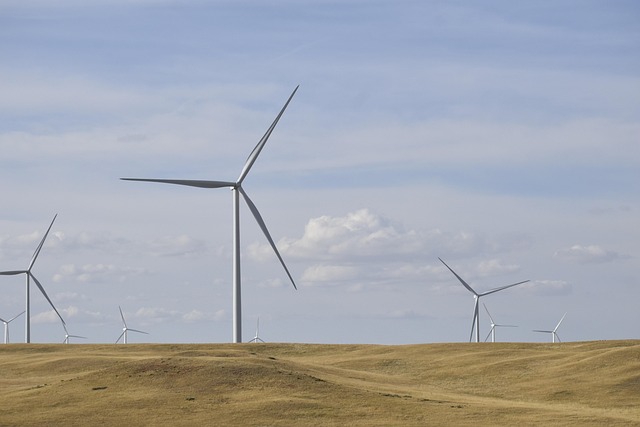
- Reducing Carbon Footprint: Individuals can contribute by reducing their carbon emissions through energy conservation, using public transport, or supporting renewable energy sources.
- Supporting Conservation Efforts: Engaging with and supporting organizations that focus on environmental conservation can help protect vulnerable ecosystems.
- Advocating for Policy Change: Encouraging local and national governments to take action on climate change can lead to impactful policy changes that benefit the environment.
- Educating Others: Sharing knowledge about the impacts of climate change and glacier melting can inspire others to take action.
Conclusion
The melting of glaciers is a clear indicator of climate change and poses serious challenges for the environment and humanity. By understanding the causes and impacts, we can better appreciate the urgency of addressing this issue. Every small action counts, and together, we can make a difference! 🌱
 kevinexe










 Unity Farm Sanctuary
 Health
  Fitness
  Lifestyle
  Tech
Tech  Travel
  Food
Food  Education
  Parenting
  Career & Work
  Hobbies
  Wellness
  Beauty
  Cars
Cars  Art
Art  Science
  Culture
  Books
Books  Music
Music  Movies
  Gaming
  Sports
  Nature
  Home & Garden
  Business & Finance
  Relationships
  Pets
Pets  Shopping
  Mindset & Inspiration
  Environment
  Gadgets
  Politics