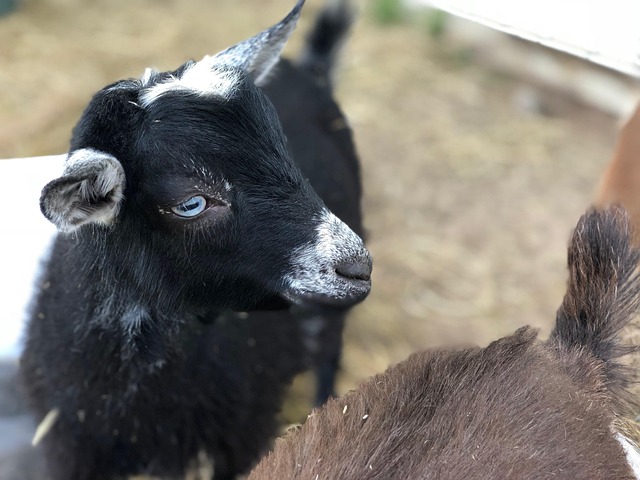
Nigerian Dwarf Goats
Introduction to Nigerian Dwarf Goats
Nigerian Dwarf goats are a small breed of dairy goats that have gained popularity for their manageable size and friendly disposition. Originating from West Africa, these goats were imported to the United States primarily for exhibition purposes in zoos between the 1930s and 1960s. Over the years, they have evolved into a distinct breed, recognized for their dairy production capabilities and appealing appearance.
History and Development
The Nigerian Dwarf goat is a descendant of the West African Dwarf group of breeds. Unlike their stocky relatives, Nigerian Dwarfs have been selectively bred to resemble miniature dairy goats. Their numbers began to grow significantly in the United States, with nearly 7,000 registered by 2002. The breed was officially recognized by the American Dairy Goat Association in 2005, marking a significant milestone in its development.
Population and Conservation Status
As of 2023, the population of Nigerian Dwarf goats in the United States is estimated to be just under 40,000. This growth reflects their increasing popularity among small-scale farmers and hobbyists. Additionally, populations of 1,000 to 2,000 head have been reported in Australia and Canada. The breed was previously listed as "recovering" on the heritage breeds watchlist of the Livestock Conservancy but was removed from this list in 2013. As of 2024, the international conservation status of the Nigerian Dwarf goat is considered "not at risk," indicating a stable population.
Physical Characteristics
Nigerian Dwarf goats are known for their compact size, typically standing between 17 to 21 inches tall at the shoulder. They possess a well-proportioned body with a broad back and a short, straight nose. Their coats can come in a variety of colors and patterns, making them visually appealing to many goat enthusiasts. Despite their small stature, they are robust and hardy animals.
Temperament and Behavior
These goats are generally friendly and sociable, making them excellent companions for families and individuals. They are known for their playful nature and curiosity, which can lead to entertaining interactions with humans and other animals. Proper socialization and handling from a young age can enhance their friendly disposition.
Milk Production
Nigerian Dwarf goats are recognized for their high butterfat content in milk, which averages around 6-10%. This makes their milk particularly desirable for cheese-making and other dairy products. On average, a Nigerian Dwarf goat can produce between 1 to 8 pounds of milk per day, depending on factors such as genetics, diet, and management practices.
Care and Maintenance
Like all goats, Nigerian Dwarfs require proper care and management to thrive. Here are some essential aspects to consider:
- Housing: Provide a clean, dry shelter that protects them from harsh weather conditions.
- Diet: A balanced diet consisting of hay, grains, and fresh water is crucial for their health.
- Health Care: Regular veterinary check-ups, vaccinations, and deworming are necessary to maintain their health.
- Social Interaction: Goats are herd animals and thrive in the company of others, so it is advisable to keep at least two together.
Conclusion
Nigerian Dwarf goats are a versatile breed that offers both companionship and dairy production. Their manageable size, friendly nature, and high-quality milk make them an attractive option for both hobbyists and small-scale farmers. With proper care and management, these goats can be a rewarding addition to any homestead.
 xan
xan 




















 Exploring Eco Travels Wellington: Your Travel Companion
 Health
  Fitness
  Lifestyle
  Tech
Tech  Travel
  Food
Food  Education
  Parenting
  Career & Work
  Hobbies
  Wellness
  Beauty
  Cars
Cars  Art
Art  Science
  Culture
  Books
Books  Music
Music  Movies
  Gaming
  Sports
  Nature
  Home & Garden
  Business & Finance
  Relationships
  Pets
Pets  Shopping
  Mindset & Inspiration
  Environment
  Gadgets
  Politics