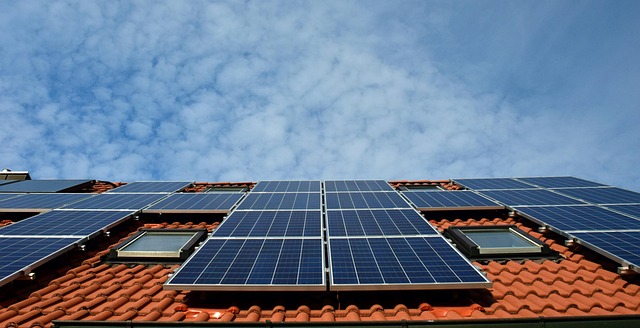
Polycrystalline Vs Monocrystalline Solar Panels
Understanding Solar Panel Types
When it comes to solar energy, choosing the right type of solar panel for your home can feel overwhelming. Two of the most popular options are monocrystalline and polycrystalline solar panels. Both serve the same purpose—transforming sunlight into electricity—but they do it in slightly different ways. Let’s break down the key differences to help you make an informed decision! ☀️
What Are Monocrystalline Solar Panels?
Monocrystalline solar panels are made from a single crystal structure of silicon. This gives them a sleek black appearance and allows them to be more efficient at converting sunlight into energy. Typically, you’ll find that these panels have a higher efficiency rating, often exceeding 20%. This means they can produce more energy in a smaller space, making them ideal for homes with limited roof space.
What Are Polycrystalline Solar Panels?
On the other hand, polycrystalline solar panels are made from multiple silicon crystals melted together. They have a distinct blue hue and are generally less expensive than their monocrystalline counterparts. While their efficiency ratings are typically lower, around 15-17%, they still provide a solid option for homeowners looking to harness solar energy without breaking the bank.
Key Differences
- Efficiency: Monocrystalline panels tend to be more efficient, which means they can generate more electricity from the same amount of sunlight.
- Cost: Polycrystalline panels are usually more affordable upfront, making them a budget-friendly choice.
- Space: If roof space is limited, monocrystalline panels might be the better option due to their higher efficiency.
- Temperature Performance: Monocrystalline panels generally perform better in high temperatures, while polycrystalline panels can lose efficiency when it’s hot.
Which One Should You Choose?
The choice between monocrystalline and polycrystalline solar panels largely depends on your specific needs and circumstances. If you have limited space and are willing to invest a bit more for higher efficiency, monocrystalline panels could be the way to go. However, if you’re looking for a more budget-friendly option and have ample roof space, polycrystalline panels can still provide great value.
Conclusion
Ultimately, both monocrystalline and polycrystalline solar panels have their pros and cons. It’s essential to evaluate your energy needs, budget, and roof space before making a decision. Whichever type you choose, investing in solar energy is a step towards a more sustainable future! 🌍
 mmcma
mmcma 
























 The Unsung Heroes of the Skies: Cabin Crew and Passenger Comfort
 Health
  Fitness
  Lifestyle
  Tech
Tech  Travel
  Food
Food  Education
  Parenting
  Career & Work
  Hobbies
  Wellness
  Beauty
  Cars
Cars  Art
Art  Science
  Culture
  Books
Books  Music
Music  Movies
  Gaming
  Sports
  Nature
  Home & Garden
  Business & Finance
  Relationships
  Pets
Pets  Shopping
  Mindset & Inspiration
  Environment
  Gadgets
  Politics