Preschoolers Learn Best Through
Introduction
The early years of a child's life are foundational for their overall development. Preschool serves as a critical environment where children engage in various activities that foster their growth in multiple domains. Understanding how preschoolers learn best can significantly enhance their educational experiences and prepare them for future academic success.
Language Development
Language skills are essential for effective communication and social interaction. In preschool, children develop these skills through rich opportunities for speaking and listening. Teachers play a vital role by engaging children in conversations throughout the day, whether during playtime, group activities, or one-on-one interactions. This constant dialogue not only helps children articulate their thoughts but also encourages them to listen actively to others.
Social Skills and Community Awareness
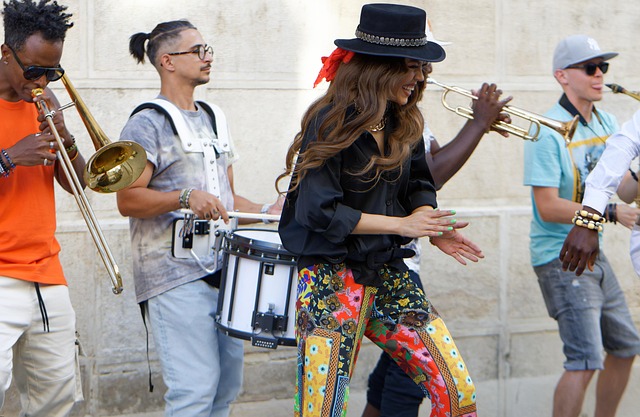
Preschool is also a time for children to learn about themselves and their place within their family, classroom, and broader community. Social studies in preschool often include discussions about different cultures and languages represented in the classroom. Teachers may invite families to share their unique traditions, recipes, and music, fostering an inclusive environment where children learn to appreciate diversity. This exposure helps preschoolers develop empathy and respect for others, which are crucial social skills.
Creative Arts as a Learning Tool
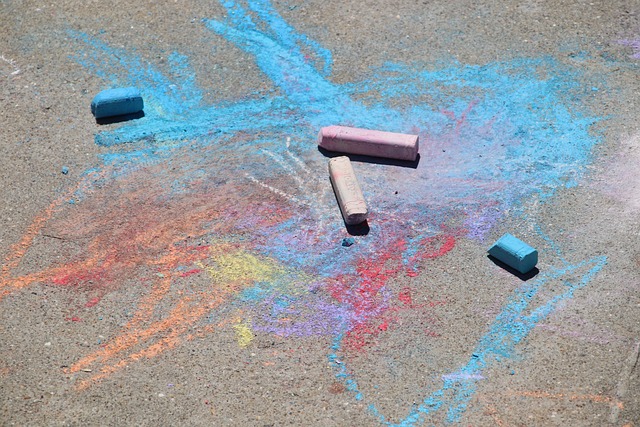
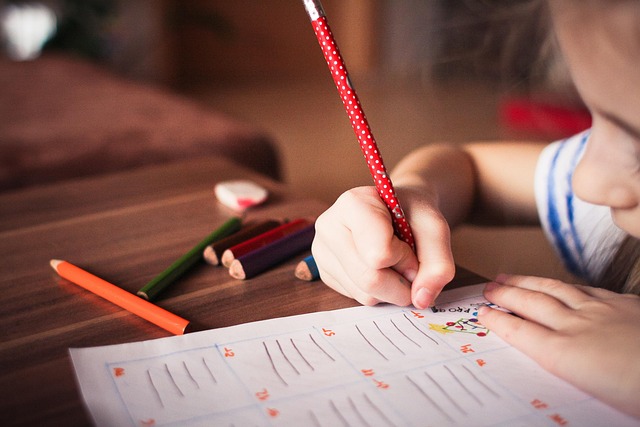
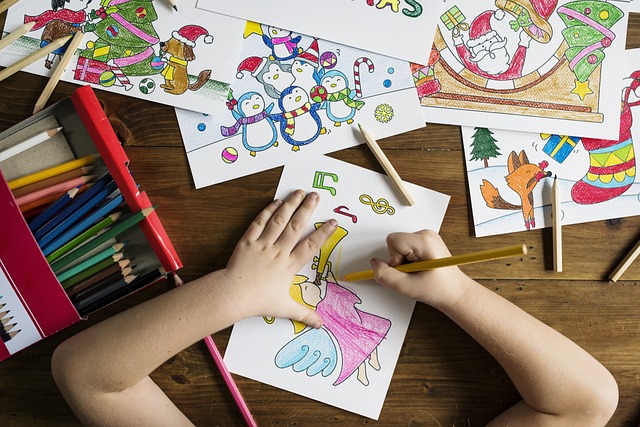
Creative arts play a significant role in preschool education, allowing children to express their feelings and ideas in various forms. Activities such as painting, dancing, and imaginative play provide children with the freedom to explore their creativity. Through these artistic expressions, children not only enhance their fine motor skills but also develop their emotional intelligence. Engaging in creative arts encourages children to think critically and solve problems, as they navigate the process of creating something unique.
Holistic Learning Approaches
High-quality preschools adopt a holistic approach to learning, focusing on all areas of development. Teachers observe children's interests and plan thematic projects that align with those interests, thereby expanding their knowledge and skills. This method of learning is interconnected, as it allows children to see the relationships between different subjects and experiences. For instance, a project on plants might incorporate elements of science, art, and language, providing a comprehensive learning experience.
Play-Based Learning
Play is often referred to as the "work" of children, and it is through play that preschoolers learn best. Play-based learning encourages exploration and experimentation, allowing children to discover new concepts in a natural and enjoyable manner. Whether through structured activities or free play, children develop critical thinking skills, social interactions, and emotional resilience. This approach not only makes learning enjoyable but also reinforces the idea that education can be a joyful experience.
Conclusion
In conclusion, preschoolers learn best through a combination of language development, social interaction, creative expression, and play-based learning. By fostering an environment that emphasizes these elements, educators can significantly enhance the learning experiences of young children. As they navigate their early educational journey, preschoolers build a strong foundation that will serve them well in their future academic endeavors.
 rhea
rhea 

















 Anchor Charts For 2nd Grade
 Health
  Fitness
  Lifestyle
  Tech
Tech  Travel
  Food
Food  Education
  Parenting
  Career & Work
  Hobbies
  Wellness
  Beauty
  Cars
Cars  Art
Art  Science
  Culture
  Books
Books  Music
Music  Movies
  Gaming
  Sports
  Nature
  Home & Garden
  Business & Finance
  Relationships
  Pets
Pets  Shopping
  Mindset & Inspiration
  Environment
  Gadgets
  Politics