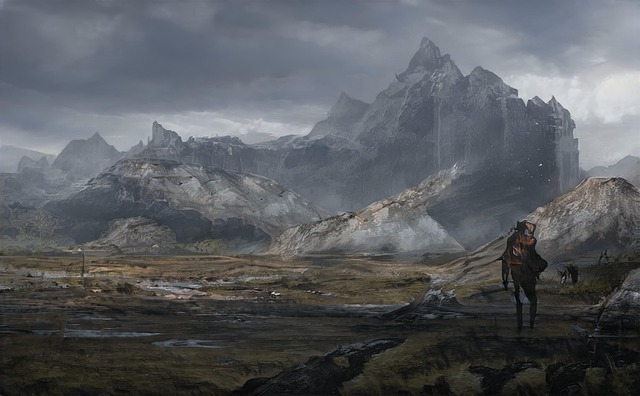
Sci-fi Fantasy
Understanding Sci-fi Fantasy
Sci-fi fantasy is a genre that blends elements of science fiction and fantasy, creating a unique narrative space that allows for imaginative storytelling. This genre often explores futuristic technologies, alternate realities, and magical elements, making it a rich field for both writers and readers.
The Origins of Sci-fi Fantasy
The roots of sci-fi fantasy can be traced back to early literature, where authors began to experiment with the boundaries of reality. Works like The Princess of Mars by Edgar Rice Burroughs and the early stories of H.G. Wells laid the groundwork for what would become a popular genre. These narratives often featured advanced technology alongside fantastical elements, setting the stage for future explorations.
Key Characteristics
Sci-fi fantasy typically incorporates several defining characteristics:
- World-Building: Authors create intricate worlds that blend scientific principles with magical elements. This allows for diverse settings that can range from dystopian futures to enchanted realms.
- Complex Characters: Characters in this genre often face moral dilemmas and personal growth, navigating their roles in worlds that challenge their beliefs and abilities.
- Exploration of Themes: Common themes include the impact of technology on society, the nature of reality, and the struggle between good and evil. These themes resonate with readers, prompting reflection on contemporary issues.
- Visual and Aesthetic Appeal: Sci-fi fantasy often emphasizes striking visuals, whether in literature or adaptations. This can include vivid descriptions of alien landscapes or fantastical creatures.
Popular Works and Authors
Several authors have made significant contributions to the sci-fi fantasy genre. Notable figures include:
- Isaac Asimov: Known for his extensive work in science fiction, Asimov's stories often incorporate elements of fantasy, particularly in his exploration of robotics and artificial intelligence.
- Terry Brooks: His Shannara series blends traditional fantasy with sci-fi elements, creating a unique narrative that appeals to a broad audience.
- Neil Gaiman: Gaiman's works often blur the lines between reality and fantasy, incorporating mythological elements into modern settings.
Modern Trends
In recent years, the sci-fi fantasy genre has evolved, reflecting changes in societal values and technological advancements. The rise of digital media has also influenced how stories are told and consumed. Streaming platforms have adapted many beloved sci-fi fantasy works, bringing new audiences to the genre. Series like The Mandalorian and adaptations of classic novels have revitalized interest, showcasing the genre's versatility.
Conclusion
Sci-fi fantasy continues to captivate audiences with its imaginative storytelling and exploration of complex themes. As the genre evolves, it remains a vital part of literary culture, inviting readers to ponder the possibilities of the future and the magic of the unknown.
 dax
dax 






















 Discover Your Next Favorite Read
 Health
  Fitness
  Lifestyle
  Tech
Tech  Travel
  Food
Food  Education
  Parenting
  Career & Work
  Hobbies
  Wellness
  Beauty
  Cars
Cars  Art
Art  Science
  Culture
  Books
Books  Music
Music  Movies
  Gaming
  Sports
  Nature
  Home & Garden
  Business & Finance
  Relationships
  Pets
Pets  Shopping
  Mindset & Inspiration
  Environment
  Gadgets
  Politics