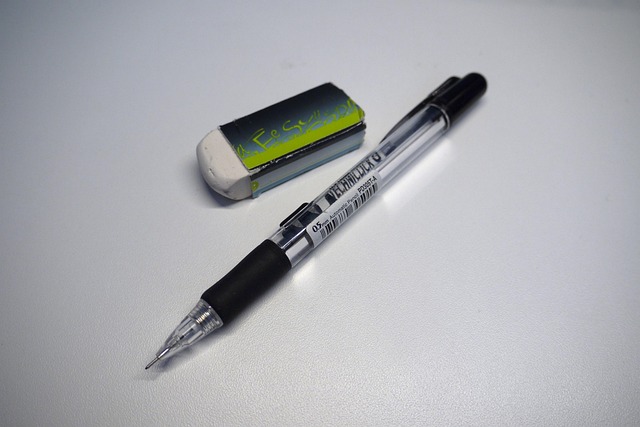
Self-editing For Fiction Writers
Understanding Self-Editing
Self-editing is a crucial step in the writing process, particularly for fiction writers. It involves revising and refining a manuscript to enhance clarity, coherence, and overall quality before it reaches an editor or a reader. While the first draft is often a raw expression of ideas, self-editing allows writers to polish their work, ensuring that it communicates effectively and engages the audience.
The Importance of Self-Editing
Many writers view self-editing as a necessary evil, but it is an opportunity to improve the narrative and strengthen the writing. A well-edited piece can make a significant difference in how a story is perceived. It can elevate the writing from mediocre to compelling, making it essential for anyone serious about their craft.
Common Self-Editing Techniques
There are several techniques that writers can employ during the self-editing process. Here are some of the most effective:
- Take a Break: After completing a draft, stepping away from the manuscript for a few days can provide fresh perspective. This distance allows writers to return with a more critical eye.
- Read Aloud: Hearing the text can help identify awkward phrasing and rhythm issues. It can also reveal areas where the narrative may not flow smoothly.
- Focus on Structure: Evaluate the overall structure of the story. Ensure that the plot is coherent, the pacing is appropriate, and that character development is consistent throughout.
- Check for Passive Voice: Passive constructions can weaken writing. Look for instances of passive voice and consider revising them to active voice for stronger impact.
- Eliminate Redundancies: Repeated phrases or ideas can clutter a narrative. Identifying and removing these redundancies can enhance clarity.
Using Resources for Self-Editing
Books like Self-Editing for Fiction Writers by Renni Browne and Dave King offer valuable insights into the editing process. They provide practical advice on common pitfalls and how to avoid them. Such resources can serve as a guide, helping writers navigate their self-editing journey more effectively.
Creating a Self-Editing Checklist
Developing a checklist can streamline the self-editing process. Here are some elements to consider including:
- Character Consistency: Are the characters' actions and dialogue consistent with their established traits?
- Plot Holes: Are there any gaps in the narrative that need addressing?
- Dialogue Quality: Does the dialogue sound natural, and does it serve the story?
- Grammar and Punctuation: Are there any grammatical errors or punctuation issues that need correction?
- Word Choice: Is the vocabulary appropriate for the target audience and does it enhance the narrative?
Final Thoughts on Self-Editing
Self-editing is an essential skill for fiction writers. It not only improves the quality of the manuscript but also enhances the writer's ability to critically evaluate their work. By employing effective techniques and utilizing available resources, writers can transform their drafts into polished pieces ready for publication.
























 All Female Flight Crew Takes to the Skies
 Health
  Fitness
  Lifestyle
  Tech
Tech  Travel
  Food
Food  Education
  Parenting
  Career & Work
  Hobbies
  Wellness
  Beauty
  Cars
Cars  Art
Art  Science
  Culture
  Books
Books  Music
Music  Movies
  Gaming
  Sports
  Nature
  Home & Garden
  Business & Finance
  Relationships
  Pets
Pets  Shopping
  Mindset & Inspiration
  Environment
  Gadgets
  Politics