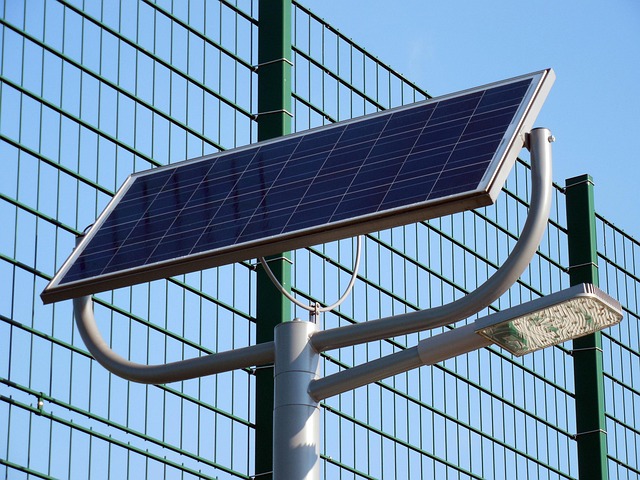
Solar Cells Are Made of
Introduction to Solar Cells
Solar cells are like the superheroes of renewable energy, quietly working away to convert sunlight into electricity. But what exactly are they made of? Spoiler alert: It's not magic, but rather some pretty nifty science involving semiconductors!
What Are Solar Cells Made Of?
The most common solar cells are primarily made of silicon, a versatile element that’s more popular than a cat video on the internet. Silicon is used because of its excellent properties as a semiconductor, which means it can conduct electricity under certain conditions.
The P-N Junction Explained
At the heart of a solar cell lies the p-n junction. Think of it as the dynamic duo of the solar world. One side is doped to create a p-type layer, which has an abundance of holes (the absence of electrons), while the other side is doped to create an n-type layer, which is loaded with extra electrons. When these two meet, they form an electric field that’s essential for converting sunlight into energy.
How Do They Work?
When sunlight hits the solar cell, it excites the electrons, causing them to jump from the p-type side to the n-type side. This movement creates a flow of electricity. If the solar cell is connected to an external circuit (like your house), those electrons can travel through the circuit, providing power to your appliances. It’s like a tiny, energetic marathon where the electrons are the star athletes!
Why Silicon?
Silicon is the rockstar of solar cells for a few reasons:
- Abundance: Silicon is the second most abundant element in the Earth's crust, so it's not going anywhere anytime soon.
- Efficiency: Silicon-based solar cells are known for their high efficiency, converting a significant percentage of sunlight into usable electricity.
- Cost-Effectiveness: The manufacturing process for silicon solar cells has become cheaper over time, making solar energy more accessible for everyone.
- Durability: Silicon solar cells can withstand various weather conditions, ensuring they last longer and keep producing energy.
Other Materials in Solar Cells
While silicon is the main player, it’s not the only material in the game. Other semiconductors, such as cadmium telluride and copper indium gallium selenide, are also used in solar cells. These materials have their own unique properties and are often used in thin-film solar cells, which are lighter and more flexible.
Conclusion
In summary, solar cells are made of semiconductors, primarily silicon, and rely on the clever construction of p-n junctions to convert sunlight into electricity. As technology evolves, the materials and methods used in solar cells continue to improve, making solar energy a more viable option for a sustainable future. So, the next time you see a solar panel, you can appreciate the science behind it—no magic wands required! 🌞



























 Take-out Containers
 Health
  Fitness
  Lifestyle
  Tech
Tech  Travel
  Food
Food  Education
  Parenting
  Career & Work
  Hobbies
  Wellness
  Beauty
  Cars
Cars  Art
Art  Science
  Culture
  Books
Books  Music
Music  Movies
  Gaming
  Sports
  Nature
  Home & Garden
  Business & Finance
  Relationships
  Pets
Pets  Shopping
  Mindset & Inspiration
  Environment
  Gadgets
  Politics