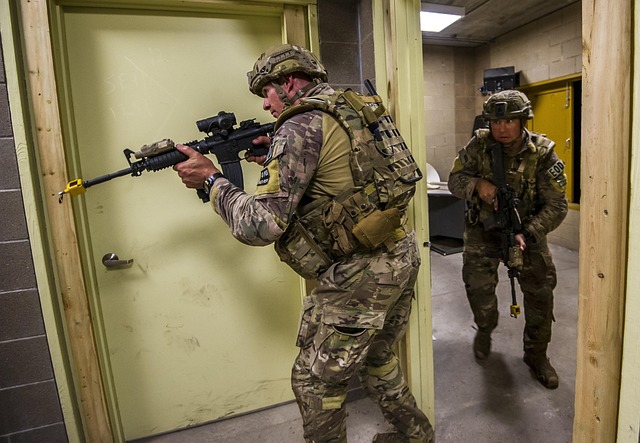
U.S. Armed Forces Recruitment Numbers
The recruitment of personnel into the U.S. Armed Forces is a critical component of maintaining national security and operational readiness. Over the years, various factors have influenced recruitment numbers across different branches of the military. This article examines the trends in military recruitment from 2016 to 2019, highlighting the performance of each branch and the challenges they faced.
Recruitment Trends from 2016 to 2019
Between 2016 and 2019, the U.S. military experienced a period of relatively stable recruitment numbers. Each branch had its own set of goals and challenges, which shaped their overall performance.
The Army
The U.S. Army, being the largest branch, aimed to recruit approximately 68,000 individuals annually during this period. While it consistently met its recruitment goals, there were times when it struggled to maintain the necessary numbers. Factors such as the increasing technical requirements for military roles and a competitive job market contributed to these challenges.
The Navy
The U.S. Navy also performed well, averaging between 39,000 and 42,000 recruits each year. The Navy's success can be attributed to its emphasis on career growth opportunities and the benefits of travel, which appealed to many potential recruits. This focus helped the Navy consistently meet or exceed its recruitment targets.
The Air Force and Marine Corps
The U.S. Air Force and Marine Corps had varied experiences during this time. The Air Force, known for its technical roles, faced challenges similar to those of the Army, particularly in attracting recruits with the necessary skills. Meanwhile, the Marine Corps maintained a steady recruitment flow, although it too had to navigate the complexities of an evolving job market.
Challenges to Recruitment
Several factors impacted recruitment across all branches of the military. One significant challenge was the growing gap between the skills required for military positions and the qualifications of potential recruits. As the job market evolved, many young individuals pursued higher education, which sometimes led them away from military service.
Additionally, societal perceptions of military service have shifted over the years. While many still view it as a noble career path, others may hesitate due to concerns about deployment and the nature of military life. These perceptions can influence the willingness of young people to enlist.
Conclusion
Overall, the recruitment numbers for the U.S. Armed Forces from 2016 to 2019 reflect a complex interplay of goals, challenges, and societal trends. Each branch has its unique strengths and hurdles, but the commitment to maintaining a robust military presence remains a priority. Understanding these dynamics is essential for anyone interested in the future of military service in the United States.
 harper_lane


























 The Texas Driving Record Request Process
 Health
  Fitness
  Lifestyle
  Tech
Tech  Travel
  Food
Food  Education
  Parenting
  Career & Work
  Hobbies
  Wellness
  Beauty
  Cars
Cars  Art
Art  Science
  Culture
  Books
Books  Music
Music  Movies
  Gaming
  Sports
  Nature
  Home & Garden
  Business & Finance
  Relationships
  Pets
Pets  Shopping
  Mindset & Inspiration
  Environment
  Gadgets
  Politics