
Biofilm Formation: A Sticky Situation!
Biofilms are like the clingy friends of the microbial world – once they attach, it’s hard to get rid of them! Biofilm formation is a fascinating biological process involving a community of microorganisms that stick together on surfaces, creating a slimy fortress. But how does this sticky situation unfold? Let’s break it down!
The Four Stages of Biofilm Formation
Biofilm formation can be divided into four distinct stages, much like a reality show with dramatic twists and turns:
- Initial Deposition: This is where the planktonic bacteria (the free spirits of the bacterial world) find a cozy surface to settle on. Think of it as the first date; they’re just checking things out!
- Irreversible Attachment: Once the bacteria decide they like the surface, they attach themselves more firmly and start producing extracellular polymeric substances (EPS). It’s like they’re putting down roots and decorating their new home!
- Proliferation and Maturation: As the biofilm grows, more bacteria join the party, and the community matures into a complex structure. This is where the biofilm becomes a bustling city of microorganisms, complete with its own rules and regulations.
- Bacterial Detachment: Eventually, some bacteria will decide to leave the biofilm and explore new territories. It’s like the kids leaving home for college – bittersweet but necessary for growth!
Why Should We Care About Biofilms?
Biofilms are not just a scientific curiosity; they play a significant role in various environments. From natural ecosystems to industrial settings, understanding biofilm formation can help manage microbial communities effectively. For instance, biofilms can enhance wastewater treatment processes or even be harnessed in bioelectrochemical systems. Talk about multitasking!
Biofilms in Nature and Technology
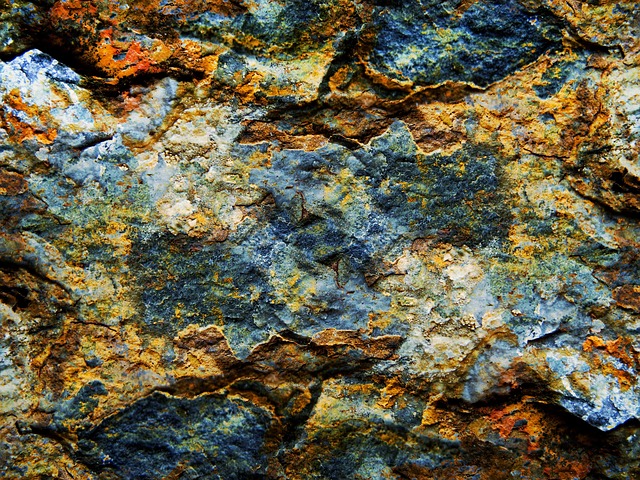
In nature, biofilms can be found in rivers, oceans, and even on your favorite rock at the park. They contribute to nutrient cycling and provide habitats for various organisms. On the flip side, biofilms can also be a nuisance in medical settings, leading to persistent infections or fouling of medical devices. So, while they can be helpful, they can also be a bit of a pain in the neck! 😅
In technology, researchers are exploring biofilms for their potential in energy production and bioremediation. Imagine harnessing the power of bacteria to clean up oil spills or generate electricity! It’s like a superhero movie, but with microbes instead of caped crusaders.
Conclusion
Biofilm formation is a captivating and complex process that showcases how microorganisms can collaborate and thrive in various environments. Whether in nature or technology, biofilms remind us that sometimes, sticking together can lead to extraordinary outcomes. So next time you see a slimy surface, remember – it’s not just gross; it’s a bustling community of tiny lifeforms doing their thing!
 lavanya.txt
























 Male Singer-songwriters 2010s
 Health
  Fitness
  Lifestyle
  Tech
Tech  Travel
  Food
Food  Education
  Parenting
  Career & Work
  Hobbies
  Wellness
  Beauty
  Cars
Cars  Art
Art  Science
  Culture
  Books
Books  Music
Music  Movies
  Gaming
  Sports
  Nature
  Home & Garden
  Business & Finance
  Relationships
  Pets
Pets  Shopping
  Mindset & Inspiration
  Environment
  Gadgets
  Politics