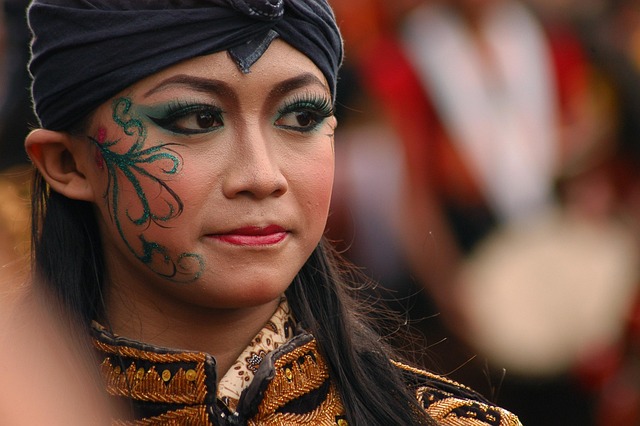
Ethnic Clothing
Introduction
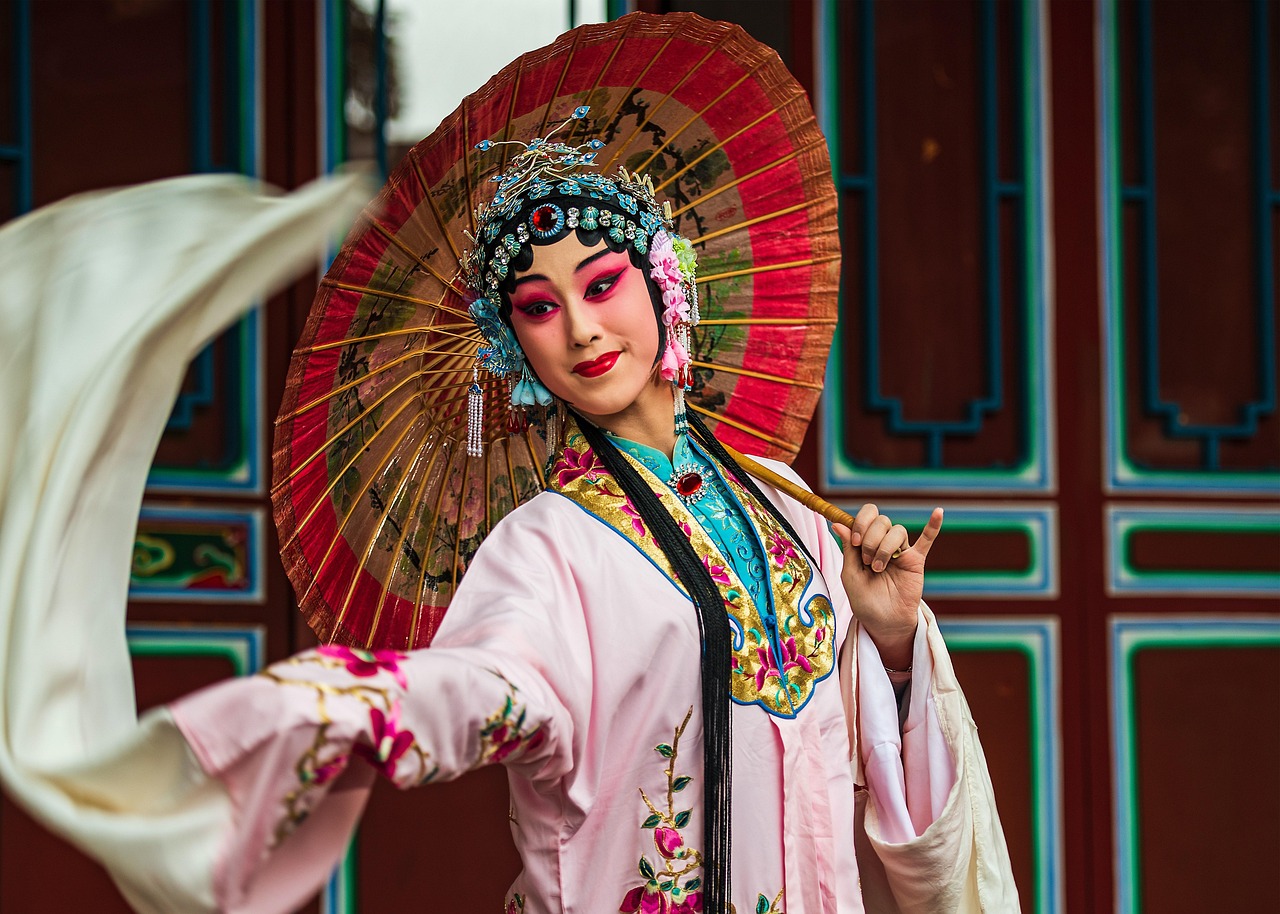
Ethnic clothing represents a rich tapestry of cultural heritage and tradition, often reflecting the history and values of a community. This article delves into the significance, diversity, and contemporary relevance of ethnic attire across various cultures.
Understanding Ethnic Clothing
Ethnic clothing encompasses garments that are distinctive to a particular culture or region. These outfits are often characterized by unique patterns, colors, and styles that have been passed down through generations. They serve not only as a means of personal expression but also as a representation of cultural identity.
Types of Ethnic Clothing
There exists a vast array of ethnic clothing styles, each with its own unique characteristics. Below are some prominent examples:
- Indian Sarees: The saree is a traditional garment worn by women in India, known for its elegance and versatility. It can be draped in various styles, reflecting regional differences.
- Pakistani Shalwar Kameez: This outfit consists of a long tunic paired with loose-fitting trousers. It is popular for its comfort and adaptability for both casual and formal occasions.
- Mexican Huipil: A traditional garment made from cotton, often embroidered with vibrant designs, the huipil is a symbol of Mexican heritage.
- Japanese Kimono: The kimono is a classic garment characterized by its intricate designs and elaborate fabric, representing Japanese culture and aesthetics.
The Role of Ethnic Clothing in Modern Fashion
In recent years, ethnic clothing has gained significant traction in the global fashion industry. Designers are increasingly incorporating traditional elements into contemporary fashion, creating a fusion that appeals to a broader audience. This trend not only promotes cultural appreciation but also supports local artisans and craftspeople.
Buying Ethnic Clothing
With the rise of e-commerce, purchasing ethnic clothing has become more accessible. Online platforms offer a wide range of options, from authentic handmade garments to modern interpretations. When buying ethnic attire, it is essential to consider the quality of materials and craftsmanship to ensure a worthwhile investment.
Conclusion
Ethnic clothing serves as a powerful reminder of cultural identity and heritage. As society evolves, the appreciation for these garments continues to grow, bridging the gap between tradition and modernity. Embracing ethnic attire not only enhances personal style but also fosters a deeper understanding of diverse cultures.























 Discovering the Masters: Notable Artists in The Philippines
 Health
  Fitness
  Lifestyle
  Tech
Tech  Travel
  Food
Food  Education
  Parenting
  Career & Work
  Hobbies
  Wellness
  Beauty
  Cars
Cars  Art
Art  Science
  Culture
  Books
Books  Music
Music  Movies
  Gaming
  Sports
  Nature
  Home & Garden
  Business & Finance
  Relationships
  Pets
Pets  Shopping
  Mindset & Inspiration
  Environment
  Gadgets
  Politics