Interactive Media: A Comprehensive Overview
Interactive media has transformed the way individuals engage with digital content, creating a dynamic environment where user input shapes the experience. This article explores the definition, evolution, and current trends in interactive media.
What is Interactive Media?
Interactive media refers to digital experiences that respond to user input, delivering a variety of content such as text, images, animations, video, and audio. Unlike traditional media, which presents content in a linear fashion, interactive media allows users to influence the narrative or outcome through their actions. This can be seen in various formats, including video games, educational tools, and social media platforms.
The Evolution of Interactive Media
The roots of interactive media can be traced back to the development of optical digital technologies, notably the compact disc (CD) introduced by NV Philips in 1979. This innovation laid the groundwork for further advancements in digital interactivity. Over the years, interactive media has expanded significantly, particularly with the advent of the internet and mobile technologies.
Current Trends in Interactive Media
Today, interactive media encompasses a wide range of applications:
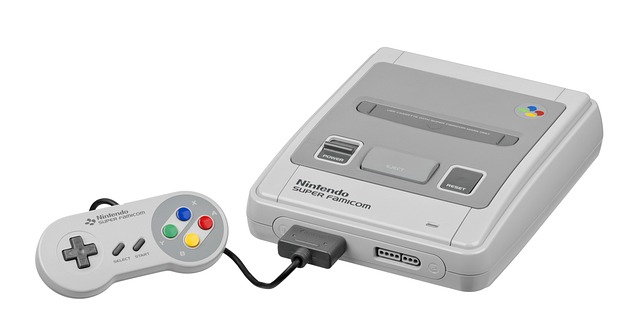
- Gaming: Video games have become one of the most prominent forms of interactive media, allowing players to engage with complex narratives and environments.
- Education: Interactive learning platforms utilize gamification and multimedia content to enhance the educational experience, making learning more engaging.
- Social Media: Platforms like Facebook and Instagram leverage user-generated content and interactions to create personalized experiences.
- Virtual and Augmented Reality: These technologies offer immersive experiences that blend the digital and physical worlds, further enhancing user engagement.
Challenges and Considerations
While interactive media offers numerous benefits, it also presents challenges. The rise of AI-generated content and hyper-personalized media has raised concerns regarding cybersecurity risks and digital well-being. Users must navigate issues related to privacy, data security, and the potential for addiction to digital experiences.
The Future of Interactive Media
As technology continues to evolve, the landscape of interactive media will likely expand further. Innovations in artificial intelligence, machine learning, and user interface design will shape how users interact with digital content. The focus will increasingly be on creating seamless, engaging experiences that prioritize user agency and well-being.
Conclusion
Interactive media represents a significant shift in how content is consumed and created. By allowing users to engage actively with digital experiences, it fosters a more personalized and immersive environment. As the field continues to develop, it will be essential to address the associated challenges while maximizing the potential benefits of this dynamic medium.






























 Seasonal Outfits Stardew Valley Expanded
 Health
  Fitness
  Lifestyle
  Tech
Tech  Travel
  Food
Food  Education
  Parenting
  Career & Work
  Hobbies
  Wellness
  Beauty
  Cars
Cars  Art
Art  Science
  Culture
  Books
Books  Music
Music  Movies
  Gaming
  Sports
  Nature
  Home & Garden
  Business & Finance
  Relationships
  Pets
Pets  Shopping
  Mindset & Inspiration
  Environment
  Gadgets
  Politics