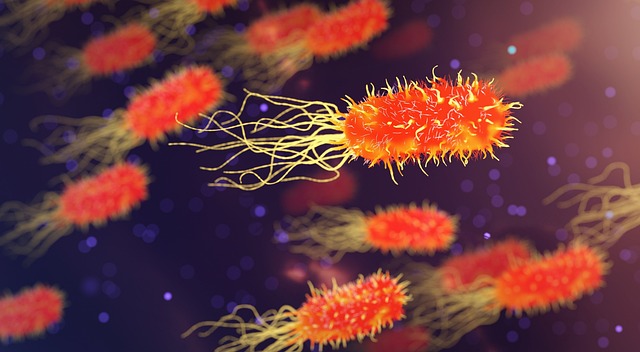
Microbial Processes: A Natural Approach to Hydrogen Generation
Microbial processes are fascinating and incredibly useful in various fields, especially in energy production. They involve the use of microorganisms to convert organic materials into valuable products, such as hydrogen. This article will explore how these processes work, their applications, and their potential for sustainable energy solutions. 🌱
What are Microbial Processes?
At their core, microbial processes harness the power of tiny organisms to break down organic matter. This can occur through fermentation, where microbes convert sugars into energy, or through more advanced methods like microbial electrolysis cells (MECs). The beauty of these processes is that they don’t require electricity, making them a viable option for commercial hydrogen generation if properly regulated.
How Do They Work?
In a typical fermentation process, microorganisms like bacteria and yeast consume organic substrates, producing hydrogen as a byproduct. However, when combined with MECs, the efficiency of hydrogen production increases significantly. Here’s how it works:
- Fermentation: Microbes break down organic materials, generating hydrogen and protons.
- MECs: These cells capture the hydrogen and protons produced. By applying a small electric current, the protons are converted into hydrogen gas, which can then be collected and utilized.
This combination not only boosts hydrogen production but also makes the process more efficient and sustainable. 🌍
Applications of Microbial Processes
Microbial processes have a wide range of applications, particularly in the field of renewable energy. Here are a few notable uses:
- Hydrogen Production: As mentioned, microbial processes can generate hydrogen, a clean fuel alternative that can power vehicles and generate electricity.
- Waste Treatment: These processes can also be employed in wastewater treatment, where organic waste is converted into useful products while reducing pollution.
- Bioremediation: Microbes can help clean up contaminated environments by breaking down harmful substances into less toxic forms.
These applications highlight the versatility and potential of microbial processes in addressing some of today’s pressing environmental challenges.
Challenges and Future Prospects
While the potential is promising, there are challenges to overcome. For instance, optimizing the efficiency of microbial processes requires extensive research and development. Additionally, regulatory frameworks need to be established to ensure safety and effectiveness in commercial applications.
However, with ongoing advancements in technology and a growing focus on sustainability, the future of microbial processes looks bright. As researchers continue to explore and refine these methods, we may see a significant shift towards cleaner energy solutions. ⚡
Conclusion
Microbial processes represent a natural and innovative approach to energy generation and waste management. By leveraging the capabilities of microorganisms, we can move towards a more sustainable future. As we continue to explore these avenues, it’s essential to support research and development in this field. Who knows? The next big breakthrough in clean energy might just come from the tiniest of organisms!
 chai_wala_07



























 It Takes Two
 Health
  Fitness
  Lifestyle
  Tech
Tech  Travel
  Food
Food  Education
  Parenting
  Career & Work
  Hobbies
  Wellness
  Beauty
  Cars
Cars  Art
Art  Science
  Culture
  Books
Books  Music
Music  Movies
  Gaming
  Sports
  Nature
  Home & Garden
  Business & Finance
  Relationships
  Pets
Pets  Shopping
  Mindset & Inspiration
  Environment
  Gadgets
  Politics