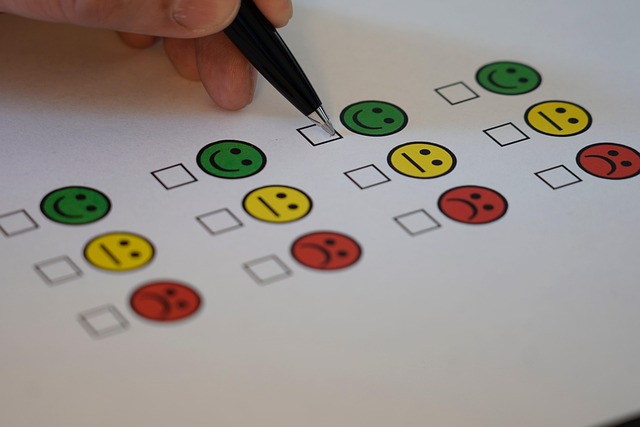
Academic Performance Rating Scale
Introduction
The Academic Performance Rating Scale (APRS) is a tool designed to evaluate and measure the academic performance of students, particularly in elementary school settings. This scale is significant for educators and researchers as it provides a structured method to assess various aspects of student performance, including academic engagement and behavioral factors that may influence learning outcomes.
Purpose of the APRS
The primary aim of the APRS is to offer a comprehensive assessment of a student's academic abilities and behaviors in the classroom. It serves multiple purposes:
- Identifying Strengths and Weaknesses: The APRS helps teachers identify specific areas where a student excels or struggles, allowing for targeted interventions.
- Monitoring Progress: Regular use of the APRS can track a student's academic progress over time, providing valuable data for educators and parents.
- Facilitating Communication: The findings from the APRS can enhance communication between teachers, parents, and other stakeholders regarding a student's academic journey.
- Research Applications: The scale can be utilized in educational research to analyze trends and factors affecting academic performance across different populations.
Components of the APRS
The APRS consists of various subscales that assess different dimensions of academic performance. These components include:
- Academic Engagement: This subscale measures the extent to which students are actively participating in classroom activities and learning processes.
- Behavioral Assessment: This component evaluates student behavior in the classroom, including attention, cooperation, and compliance with classroom rules.
- Academic Achievement: This subscale focuses on the actual academic performance of students, often linked to standardized test scores and classroom grades.
Psychometric Properties
Research has demonstrated that the APRS possesses strong psychometric properties. A principal components analysis has shown that the scale is internally consistent, meaning that the various subscales reliably measure related constructs. Additionally, the APRS has adequate test-retest reliability, indicating that it produces stable results over time. The scale also shares variance with established measures of academic achievement, reinforcing its validity as an assessment tool.
Implementation in Educational Settings
Implementing the APRS in educational settings involves several steps:
- Training Educators: Teachers and administrators should receive training on how to effectively use the APRS, ensuring that they understand its components and how to interpret the results.
- Regular Assessments: The APRS should be administered regularly, allowing for ongoing monitoring of student performance and engagement.
- Data Analysis: Educators should analyze the data collected from the APRS to inform instructional strategies and interventions tailored to individual student needs.
Benefits of Using the APRS
The benefits of utilizing the APRS in schools are numerous:
- Enhanced Understanding: The APRS provides a clearer picture of a student's academic performance, helping educators make informed decisions.
- Targeted Interventions: By identifying specific areas of need, teachers can implement targeted interventions that support student learning.
- Improved Communication: The data from the APRS fosters better communication among teachers, parents, and students regarding academic expectations and progress.
Conclusion
The Academic Performance Rating Scale is a valuable tool for assessing student performance in educational settings. Its structured approach and strong psychometric properties make it an effective means of identifying strengths and weaknesses in academic engagement and achievement. By implementing the APRS, educators can enhance their understanding of student needs, facilitate targeted interventions, and ultimately support improved academic outcomes.
 sierra_dusk























 Literacy Assessment and Interventions - D697
 Health
  Fitness
  Lifestyle
  Tech
Tech  Travel
  Food
Food  Education
  Parenting
  Career & Work
  Hobbies
  Wellness
  Beauty
  Cars
Cars  Art
Art  Science
  Culture
  Books
Books  Music
Music  Movies
  Gaming
  Sports
  Nature
  Home & Garden
  Business & Finance
  Relationships
  Pets
Pets  Shopping
  Mindset & Inspiration
  Environment
  Gadgets
  Politics