Melanin and Its Role in Hair Color
Melanin is a natural pigment responsible for the color of our hair, skin, and eyes. It’s produced by specialized cells called melanocytes, which are found in the hair follicles. The amount and type of melanin produced determine whether someone has blonde, brown, black, or red hair. As we age, the production of melanin in our hair tends to slow down, leading to graying or whitening. This process is completely normal and part of the aging journey. 🌱
Why Does Melanin Production Decrease?
Several factors contribute to the decrease in melanin production over time:
- Aging: The most significant factor. As we age, melanocytes gradually die off, leading to less melanin being produced.
- Genetics: Family history plays a crucial role. If your parents went gray early, you might too.
- Environmental Factors: Exposure to pollutants, toxins, and UV rays can damage melanocytes and affect melanin production.
- Health Conditions: Certain medical conditions, like autoimmune diseases, can impact melanin levels.
How to Potentially Boost Melanin Production
While there's no guaranteed way to stop graying hair, some strategies might help support melanin production:
- Nutrition: Eating a balanced diet rich in vitamins and minerals can support overall hair health. Foods high in vitamin B12, iron, copper, and antioxidants are particularly beneficial.
- Supplements: Some people find that taking supplements like biotin, folic acid, and certain herbal extracts may help improve hair health.
- Reduce Stress: Chronic stress can impact hair health. Engaging in relaxation techniques, such as yoga or meditation, may help.
- Protect Your Hair: Minimize exposure to harsh chemicals and excessive heat styling to keep your hair healthy.
Foods That May Help
Incorporating specific foods into your diet can be a tasty way to support melanin production:
- Dark Leafy Greens: Spinach and kale are rich in iron and vitamins.
- Nuts and Seeds: Almonds, walnuts, and sunflower seeds provide essential fatty acids and minerals.
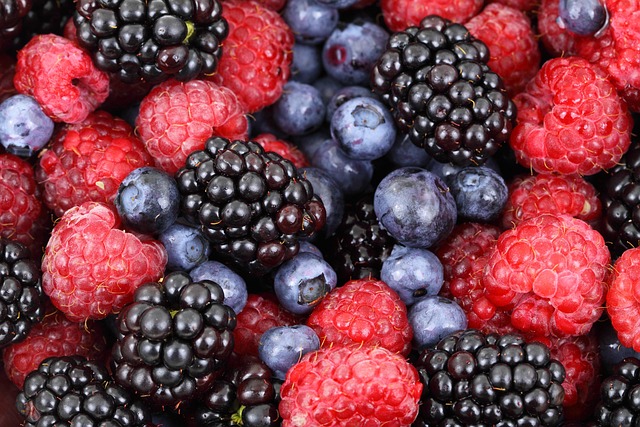
- Fruits: Berries and citrus fruits are loaded with antioxidants.
- Fish: Fatty fish like salmon are great sources of omega-3 fatty acids.
Conclusion
While the natural aging process often leads to a decrease in melanin production, making dietary and lifestyle adjustments can support overall hair health. Embracing the changes that come with age can be a positive experience, allowing individuals to explore new styles and colors. After all, hair is just one aspect of our unique selves! 😊

























 The Unsung Heroes of the Skies: Cabin Crew and Passenger Comfort
 Health
  Fitness
  Lifestyle
  Tech
Tech  Travel
  Food
Food  Education
  Parenting
  Career & Work
  Hobbies
  Wellness
  Beauty
  Cars
Cars  Art
Art  Science
  Culture
  Books
Books  Music
Music  Movies
  Gaming
  Sports
  Nature
  Home & Garden
  Business & Finance
  Relationships
  Pets
Pets  Shopping
  Mindset & Inspiration
  Environment
  Gadgets
  Politics