
The Camshaft Actuator
The camshaft actuator is a crucial component in modern internal combustion engines, particularly in vehicles equipped with variable valve timing (VVT) systems. Its primary function is to adjust the timing of the camshaft, which in turn optimizes engine performance, fuel efficiency, and emissions. This article will explore the role of the camshaft actuator, common issues associated with it, and maintenance tips to ensure its longevity.
How the Camshaft Actuator Works
The camshaft actuator operates based on oil pressure, which is controlled by the engine's oil pump. When the engine is running, the actuator receives oil, allowing it to adjust the position of the camshaft. This adjustment can enhance engine performance by optimizing the timing of the intake and exhaust valves, adapting to different driving conditions.
Common Issues with Camshaft Actuators
Despite their importance, camshaft actuators can encounter several issues that may affect engine performance:
- Oil Contamination: Dirty or contaminated oil can hinder the actuator's operation. Regular oil changes are essential to prevent this problem.
- Oil Pressure Problems: If the oil pressure is too low, the actuator may not function correctly, leading to poor engine performance.
- Faulty Sensors: The actuator relies on various sensors to function properly. If these sensors fail, it can trigger warning lights and affect performance.
- Mechanical Failures: Components within the actuator can wear out over time, leading to failure and the need for replacement.
Signs of a Failing Camshaft Actuator
Recognizing the signs of a failing camshaft actuator is crucial for timely intervention. Common symptoms include:
- Check Engine Light: A warning light may indicate an issue with the actuator or related components.
- Reduced Engine Performance: If the actuator is not functioning properly, you may notice a decrease in power and acceleration.
- Poor Fuel Economy: A malfunctioning actuator can lead to inefficient fuel usage, resulting in higher fuel costs.
- Rough Idling: The engine may run unevenly or stall if the actuator is not adjusting the camshaft timing correctly.
Maintenance Tips for Camshaft Actuators
To ensure the longevity and proper functioning of the camshaft actuator, consider the following maintenance tips:
- Regular Oil Changes: Follow the manufacturer's recommended oil change intervals to keep the oil clean and free of contaminants.
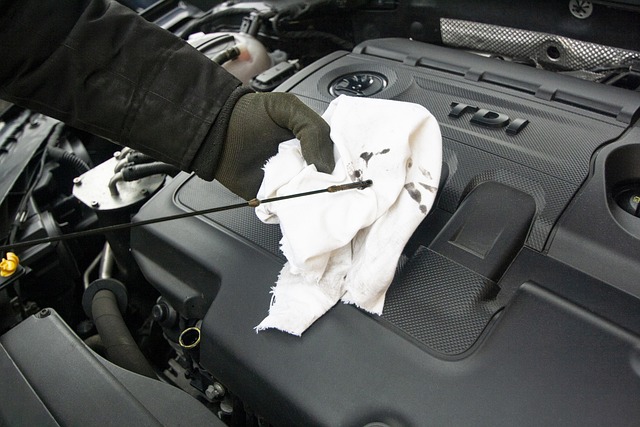
- Monitor Oil Levels: Regularly check the oil level and condition. Low or dirty oil can lead to actuator issues.
- Use Quality Oil: Opt for high-quality engine oil that meets the specifications outlined in your vehicle's manual.
- Address Warning Lights Promptly: If the check engine light comes on, have the vehicle diagnosed to identify any issues with the actuator or related components.
Conclusion
The camshaft actuator plays a vital role in optimizing engine performance and efficiency. Understanding its function, recognizing potential issues, and adhering to maintenance recommendations can help ensure that your vehicle operates smoothly. Regular attention to your engine's oil and timely repairs can prevent more significant problems down the line.
 xan
xan 




















 The Can-Am Spyder
 Health
  Fitness
  Lifestyle
  Tech
Tech  Travel
  Food
Food  Education
  Parenting
  Career & Work
  Hobbies
  Wellness
  Beauty
  Cars
Cars  Art
Art  Science
  Culture
  Books
Books  Music
Music  Movies
  Gaming
  Sports
  Nature
  Home & Garden
  Business & Finance
  Relationships
  Pets
Pets  Shopping
  Mindset & Inspiration
  Environment
  Gadgets
  Politics