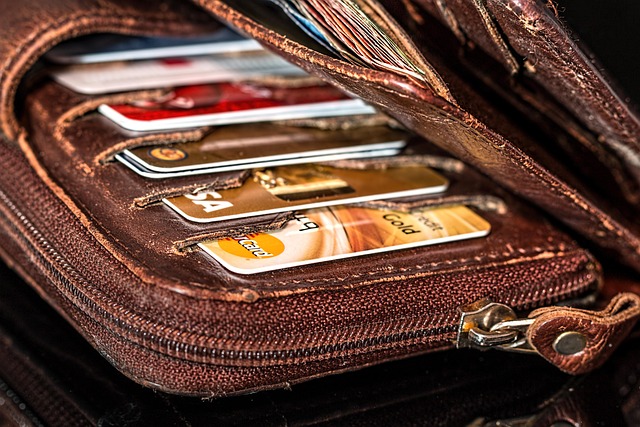
Cashless Payments Malaysia Ipsos Report
Introduction
The landscape of financial transactions in Malaysia is undergoing a significant transformation, driven by the increasing adoption of cashless payment methods. A recent report by Ipsos, titled “Non-cash economy and the role of e-wallets,” provides valuable insights into the current state of cashless payments in the country. This article delves into the findings of the report, highlighting trends, challenges, and the future of cashless transactions in Malaysia.
Current Trends in Cashless Payments
According to the Ipsos report, e-wallet usage has gained remarkable traction among younger Malaysians, particularly within the 18–24 age group. This demographic exhibits the highest rates of e-wallet adoption, reflecting a broader trend towards digital financial solutions. The report indicates that over 40% of respondents now engage in cashless payments on a daily basis, marking a notable increase of 16 basis points compared to previous years. Furthermore, an equal proportion of individuals reported making online payments at least once a week.
Decline in Credit Card Usage
Interestingly, the rise in e-wallet usage has coincided with a decline in credit card transactions, which have seen a decrease of 3 basis points during the same period. This shift suggests that consumers are increasingly favoring the convenience and accessibility offered by e-wallets over traditional credit card payments. The growing reliance on cashless transactions is particularly pronounced in the central and southern regions of Peninsular Malaysia, where the adoption rates are highest.
Challenges to Cashless Adoption
Despite the positive trends, the Ipsos report highlights that a significant portion of the Malaysian population still relies on cash for their transactions. Approximately 45% of Malaysians continue to use cash exclusively, indicating that there remains a substantial gap in the transition to a fully cashless economy. This reliance on cash poses challenges to the Malaysian government's ambitious goal of achieving a 90% cashless payment rate by 2025.
Inclusivity and Accessibility
To realize the vision of a digital economy, it is imperative that non-cash payment options, particularly e-wallets, become more inclusive and accessible to all segments of the population. The Ipsos report emphasizes the need for initiatives that address the barriers faced by those currently excluded from the cashless ecosystem. This includes enhancing digital literacy, improving access to technology, and ensuring that e-wallet services are user-friendly and widely accepted across various sectors.
The Role of Government and Stakeholders
The Malaysian government plays a pivotal role in facilitating the transition to a cashless economy. By implementing policies that promote digital payment solutions and incentivizing businesses to adopt cashless systems, the government can help bridge the gap between cash and digital transactions. Collaboration among stakeholders, including financial institutions, technology providers, and regulatory bodies, is essential to create a cohesive framework that supports the growth of cashless payments.
Conclusion
The Ipsos report sheds light on the evolving landscape of cashless payments in Malaysia, revealing both the progress made and the challenges that lie ahead. As e-wallets gain popularity, particularly among younger consumers, it is crucial to address the needs of those who remain reliant on cash. By fostering inclusivity and accessibility, Malaysia can move closer to achieving its goal of a digital economy, ultimately benefiting consumers and businesses alike.
 aria_moon
























 The Power of Prayer to St. Anthony
 Health
  Fitness
  Lifestyle
  Tech
Tech  Travel
  Food
Food  Education
  Parenting
  Career & Work
  Hobbies
  Wellness
  Beauty
  Cars
Cars  Art
Art  Science
  Culture
  Books
Books  Music
Music  Movies
  Gaming
  Sports
  Nature
  Home & Garden
  Business & Finance
  Relationships
  Pets
Pets  Shopping
  Mindset & Inspiration
  Environment
  Gadgets
  Politics