Coral Reefs Are Formed by
Coral Reefs Are Formed by
Coral reefs are often referred to as the "rainforests of the sea," and for good reason. These vibrant underwater ecosystems are not only stunningly beautiful but also crucial for marine biodiversity. So, what exactly goes into the formation of these aquatic wonders? Let’s dive into the fascinating world of coral reefs and explore how they are formed.
The Builders: Coral Polyps
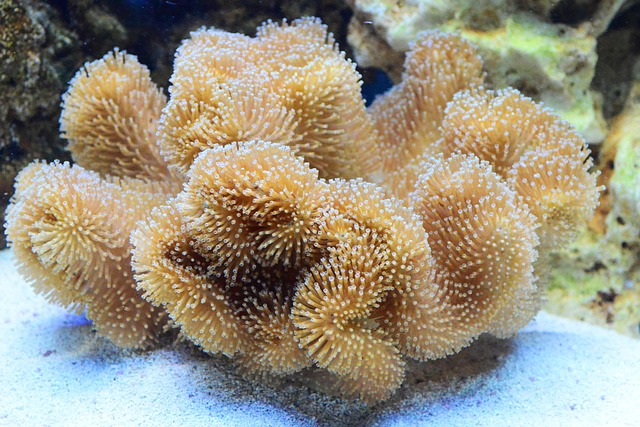
At the heart of coral reef formation are tiny creatures known as coral polyps. These little guys are related to jellyfish and anemones, and they come together to create massive colonies. Each polyp is a small, soft-bodied animal that has a mouth surrounded by stinging tentacles. Think of them as the construction workers of the ocean, but instead of hard hats, they wear a crown of tentacles. 🦠
Secreting a Skeleton
One of the most impressive feats of coral polyps is their ability to secrete a hard exoskeleton made of calcium carbonate. This process is akin to building a house out of limestone bricks. As polyps grow and reproduce, they leave behind these calcium carbonate structures, which eventually stack up to form the reef itself. It’s like a never-ending game of Jenga, but with marine life instead of wooden blocks!
Where Do Coral Reefs Live?
Coral reefs thrive in warm, shallow waters, typically found between 30 degrees north and south latitudes. They prefer clean, clear water with just the right amount of nutrients—think of it as their version of a gourmet buffet. However, if the water gets too murky or polluted, the corals can get cranky and stop growing. So, let’s keep those underwater dining experiences pleasant!
The Evolution of Reefs
Coral reefs are dynamic structures, constantly evolving over time. They have been around for a staggering 500 million years, but the modern varieties we see today have been constructing reefs for only the last 60 million years. Talk about a long-term investment! Over the years, these reefs have adapted to their environments, transforming into diverse habitats that support countless marine species. From clownfish to sea turtles, coral reefs are like the ultimate oceanic apartment complex.
Why Coral Reefs Matter
Beyond their beauty, coral reefs play a vital role in the health of our oceans. They provide habitat and shelter for many marine creatures, protect coastlines from erosion, and even support local economies through tourism and fishing. In essence, they are the unsung heroes of the marine world, quietly doing their job while we humans frolic around in the water.
Conclusion
In summary, coral reefs are formed by the hard work of coral polyps, who secrete calcium carbonate to build their homes. These structures evolve over millions of years and house an incredible diversity of marine life. So, the next time you find yourself gazing at a coral reef, remember that it’s not just a pretty picture; it’s a bustling metropolis of underwater life, all built by the tiniest of architects. 🌊
 kevinexe






























 રાશિ ભવિષ્ય: તમારા જીવનના માર્ગદર્શક
 Health
  Fitness
  Lifestyle
  Tech
Tech  Travel
  Food
Food  Education
  Parenting
  Career & Work
  Hobbies
  Wellness
  Beauty
  Cars
Cars  Art
Art  Science
  Culture
  Books
Books  Music
Music  Movies
  Gaming
  Sports
  Nature
  Home & Garden
  Business & Finance
  Relationships
  Pets
Pets  Shopping
  Mindset & Inspiration
  Environment
  Gadgets
  Politics