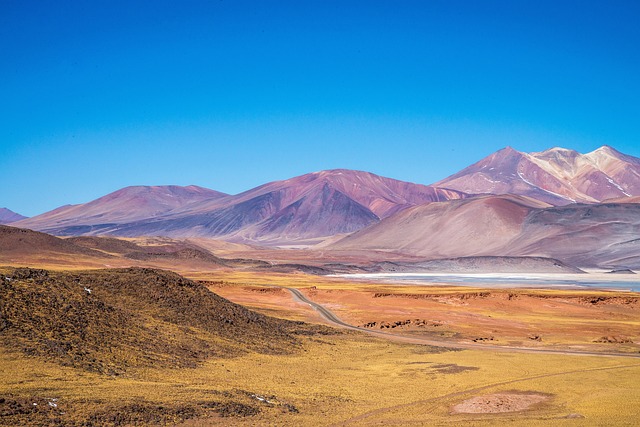
Exploring the Chilean Desert: A Geographic Marvel
The Chilean desert, known as the Atacama Desert, is a captivating region that stretches along the northern part of Chile. Renowned for its stunning landscapes and unique climate, the Atacama is often cited as one of the driest places on Earth. This article delves into the characteristics, significance, and allure of this remarkable desert.
Geographical Features
The Atacama Desert spans approximately 1,000 kilometers (620 miles) from north to south, bordered by the Pacific Ocean to the west and the Andes Mountains to the east. Its geography is marked by a variety of features, including salt flats, sand dunes, and rugged mountains. The desert's elevation varies significantly, with some areas reaching over 4,500 meters (14,800 feet) above sea level.
Climate and Weather
One of the most striking aspects of the Atacama Desert is its climate. The region experiences extremely low precipitation, with some weather stations recording less than 1 millimeter of rain per year. This arid environment is a result of the cold Humboldt Current, which flows along the coast, inhibiting moisture from reaching the land. Despite the harsh conditions, the desert can experience temperature fluctuations, with daytime highs soaring and nighttime lows dropping significantly.
Flora and Fauna
While the Atacama may seem barren at first glance, it is home to a surprising array of life. Various species of plants have adapted to the extreme conditions, including cacti, succulents, and resilient shrubs. These plants often bloom spectacularly after rare rainfall events, transforming the landscape into a vibrant tapestry of colors.
The fauna of the Atacama is equally fascinating. Animals such as the guanaco, a wild relative of the llama, and the endangered Andean flamingo can be found in this harsh environment. Many species have developed unique adaptations to survive the arid conditions, showcasing the resilience of life in one of the planet's most challenging habitats.
Cultural Significance
The Atacama Desert holds a rich cultural history, with indigenous peoples such as the Atacameños having inhabited the region for centuries. Their traditions and knowledge of the land have shaped the cultural landscape, contributing to the area's identity. The desert is also home to numerous archaeological sites, including ancient petroglyphs and ruins of pre-Columbian settlements, offering insights into the lives of those who once thrived in this arid region.
Tourism and Exploration
In recent years, the Atacama Desert has become a popular destination for travelers seeking adventure and natural beauty. Tourists flock to the region to witness its breathtaking landscapes, including the Valle de la Luna (Valley of the Moon) and the otherworldly salt flats. Stargazing is another major attraction, as the clear skies provide unparalleled views of the cosmos, making it one of the best places on Earth for astronomical observation.
Conclusion
The Atacama Desert is more than just a geographical feature; it is a testament to the resilience of nature and the rich tapestry of life that can exist in even the harshest environments. Its unique climate, diverse ecosystems, and cultural heritage make it a fascinating subject of study and exploration. Whether one is drawn by the allure of its landscapes or the depth of its history, the Atacama Desert offers a profound experience that resonates with all who venture into its vast expanse.
 switchtwich

























 Travel Nurse Accommodations in Canada: Finding Your Home Away from Home
 Health
  Fitness
  Lifestyle
  Tech
Tech  Travel
  Food
Food  Education
  Parenting
  Career & Work
  Hobbies
  Wellness
  Beauty
  Cars
Cars  Art
Art  Science
  Culture
  Books
Books  Music
Music  Movies
  Gaming
  Sports
  Nature
  Home & Garden
  Business & Finance
  Relationships
  Pets
Pets  Shopping
  Mindset & Inspiration
  Environment
  Gadgets
  Politics