
Divertissement in Ballet
The term divertissement is a significant concept in the world of classical ballet, referring to a specific type of performance segment that adds variety and entertainment to a ballet production. The word itself translates to "enjoyable diversion" in both English and French, which aptly describes its purpose within a ballet. This article will explore the characteristics, historical context, and examples of divertissement in ballet.
Characteristics of Divertissement
A divertissement typically consists of a series of short dances, known as entrées, that showcase the talents of various dancers. These segments can be performed as solos, duets, or group pieces, allowing for a display of technical skill and artistic expression. While divertissements are not always essential to the main narrative of a ballet, they serve to enrich the overall experience for the audience.
Historical Context
The concept of divertissement has its roots in the early days of ballet, evolving alongside the art form itself. Historically, these segments were often included in longer ballets to provide moments of entertainment and to highlight the abilities of different dancers. The practice became particularly popular during the 19th century, when choreographers began to incorporate divertissements into their works more frequently.
Examples of Divertissement
One of the most famous examples of divertissement can be found in The Nutcracker, a ballet composed by Pyotr Ilyich Tchaikovsky. In the second act, audiences are treated to a series of divertissements that feature dances representing various cultures, including:
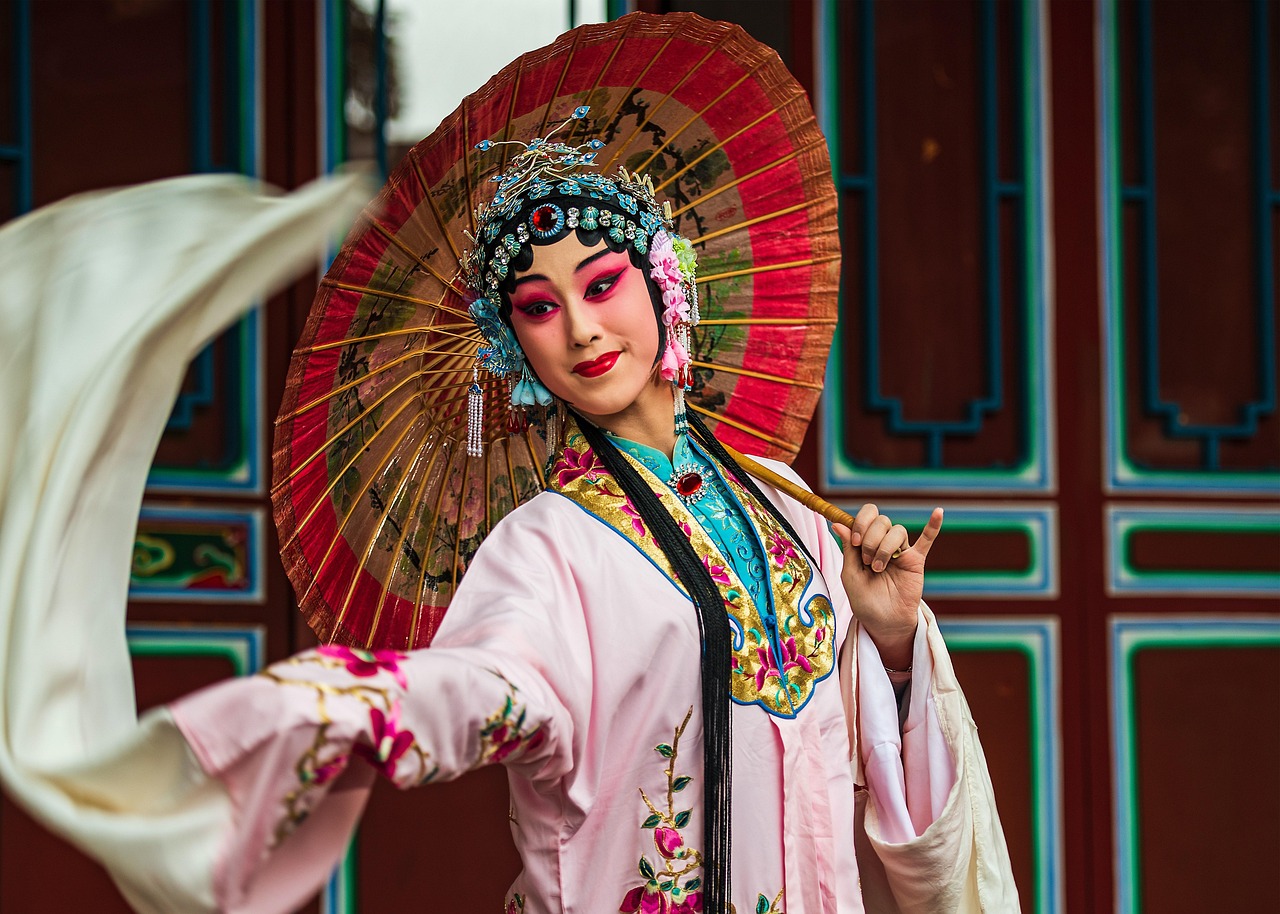
- Chinese Dance - A lively and colorful performance that captures the essence of traditional Chinese culture.
- Russian Dance - Known for its energetic movements and athleticism, this dance showcases the strength and skill of the dancers.
- Arabian Dance - A more sensual and fluid performance, highlighting grace and elegance.
- Spanish Dance - Characterized by its rhythmic footwork and vibrant costumes, this dance brings a lively flair to the performance.
These divertissements not only enhance the visual appeal of the ballet but also contribute to the overall narrative by providing a moment of respite and enjoyment for the audience.
The Role of Divertissement in Ballet
While divertissements may not always be directly tied to the central storyline of a ballet, they play a crucial role in maintaining audience engagement. By introducing a variety of dance styles and showcasing different dancers, these segments help to create a more dynamic and entertaining performance. Additionally, they offer choreographers the opportunity to experiment with different themes and styles, enriching the ballet repertoire.
Conclusion
In summary, divertissement is an integral aspect of classical ballet that serves to enhance the overall experience for both dancers and audiences. By providing enjoyable diversions through a series of short dances, divertissements contribute to the richness and diversity of ballet performances. As audiences continue to appreciate the artistry and skill involved in these segments, the tradition of divertissement remains a cherished element of the ballet world.
 thebrokenpixel



























 ঘানার ধর্মীয় দৃশ্যপট
 Health
  Fitness
  Lifestyle
  Tech
Tech  Travel
  Food
Food  Education
  Parenting
  Career & Work
  Hobbies
  Wellness
  Beauty
  Cars
Cars  Art
Art  Science
  Culture
  Books
Books  Music
Music  Movies
  Gaming
  Sports
  Nature
  Home & Garden
  Business & Finance
  Relationships
  Pets
Pets  Shopping
  Mindset & Inspiration
  Environment
  Gadgets
  Politics