Fuel Economy Compare
Understanding Fuel Economy
Fuel economy is more than just a buzzword; it’s a crucial factor when choosing a vehicle. With rising fuel prices and environmental concerns, knowing how to compare fuel efficiency can save you money and reduce your carbon footprint. Let's dive into the essentials of fuel economy comparison and how to make informed decisions when shopping for your next ride. 🚗💨
Why Fuel Economy Matters
Fuel economy, measured in miles per gallon (MPG), indicates how far a vehicle can travel on a gallon of fuel. Higher MPG means better fuel efficiency, which translates to lower fuel costs over time. Here are a few reasons why you should pay attention:
- Cost Savings: A vehicle with better fuel economy can save you hundreds, if not thousands, over its lifetime.
- Environmental Impact: More efficient cars emit fewer pollutants, contributing to a cleaner environment.
- Resale Value: Cars known for good fuel economy often maintain their value better than gas guzzlers.
- Convenience: Fewer trips to the gas station means more time on the road.
How to Compare Fuel Economy
When comparing vehicles, you want to look beyond just the MPG numbers. Here are some key factors to consider:
- Engine Type: Different engines (gasoline, diesel, hybrid, electric) have varying efficiencies. For example, hybrids typically offer better fuel economy than traditional gas engines.
- Weight and Size: Heavier vehicles usually consume more fuel. Compact cars tend to have better MPG than larger SUVs.
- Driving Conditions: City driving often yields lower MPG compared to highway driving due to frequent stops and starts.
- Technology: Advanced features like start-stop systems and regenerative braking can enhance fuel efficiency.
Using Comparison Tools
To make the most informed decision, utilize online car comparison tools. Websites like Edmunds offer robust features that allow you to compare multiple vehicles side-by-side. You can analyze:
- Fuel economy ratings
- Engine specifications
- Passenger space
- Trunk capacity
- Ownership costs
These tools provide a clear picture of how different models stack up against each other, making your decision easier. Plus, you can see what others are paying for the vehicles, which helps in negotiating a fair price.
Real-World MPG vs. EPA Ratings
It’s important to note that the MPG figures you see advertised are often based on controlled testing conditions. Real-world driving can yield different results. Factors such as driving style, load, and maintenance can all impact fuel economy. Always consider checking user reviews and reports for real-world MPG experiences.
Final Thoughts
Fuel economy is a vital aspect of any vehicle purchase, and understanding how to compare it effectively can lead to smarter choices. By considering various factors and utilizing comparison tools, you can find a vehicle that not only meets your needs but also keeps your wallet happy. So, next time you’re in the market for a car, remember to look beyond the surface and dive into the details! 🛠️
























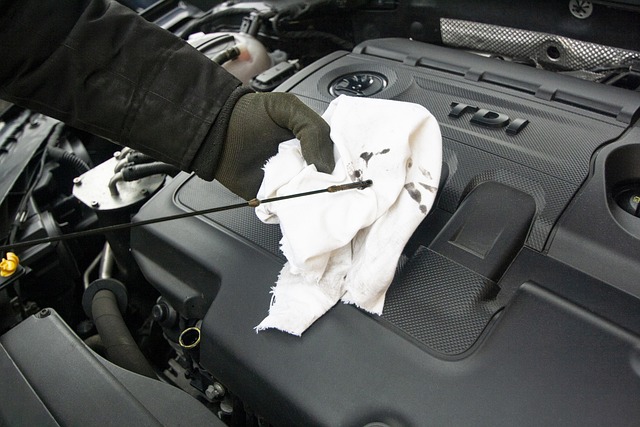
 Lifter Replacement in the 3.6 Pentastar Engine
 Health
  Fitness
  Lifestyle
  Tech
Tech  Travel
  Food
Food  Education
  Parenting
  Career & Work
  Hobbies
  Wellness
  Beauty
  Cars
Cars  Art
Art  Science
  Culture
  Books
Books  Music
Music  Movies
  Gaming
  Sports
  Nature
  Home & Garden
  Business & Finance
  Relationships
  Pets
Pets  Shopping
  Mindset & Inspiration
  Environment
  Gadgets
  Politics