Hairline Fractures
A hairline fracture, often referred to as a stress fracture, is a small crack or severe bruise within a bone. While they can happen to anyone, they are particularly common among athletes, especially those involved in high-impact sports like running and jumping. These fractures can be tricky because they might not always be immediately visible on standard X-rays, making awareness and understanding crucial for prevention and recovery.
Causes of Hairline Fractures
Several factors contribute to the development of hairline fractures:
- Lack of Nutrients: Insufficient intake of essential nutrients, particularly vitamin D and calcium, can weaken bones, making them more susceptible to fractures. This is especially relevant for individuals with eating disorders, who may not get the necessary nutrients for bone health.
- Change in Surface: Athletes often switch between different playing surfaces, which can place additional stress on bones. For instance, a tennis player moving from a grass court to a hard court may experience increased risk of injury due to the harder surface.
- Poor Footwear: Wearing running shoes that lack proper support can also contribute to the likelihood of developing a hairline fracture. It’s important to choose footwear that provides adequate cushioning and stability.
Symptoms to Watch For
Recognizing the symptoms of a hairline fracture is key to seeking timely medical help. Common signs include:
- Pain: This is often localized to the area of the fracture and may worsen with activity.
- Swelling: The affected area might swell, making it uncomfortable to move.
- Tenderness: Applying pressure to the area may elicit pain, which is a strong indicator of a potential fracture.
Diagnosis and Treatment
If a hairline fracture is suspected, a healthcare provider will typically conduct a physical examination, applying gentle pressure to the painful area. If symptoms align with a fracture, they may recommend imaging tests, such as an MRI, which is more effective than X-rays in detecting hairline fractures.
Treatment usually involves:
- Rest: Giving the affected bone time to heal is essential. This may mean taking a break from sports or activities that exacerbate the pain.
- Ice: Applying ice can help reduce swelling and discomfort.
- Gradual Return: Once healed, gradually returning to activity is important to avoid re-injury.
Prevention Tips
Preventing hairline fractures is often about being proactive. Here are some tips to keep bones healthy:
- Maintain a Balanced Diet: Ensure sufficient intake of calcium and vitamin D through diet or supplements.
- Choose the Right Footwear: Invest in quality shoes that offer proper support and cushioning.
- Be Mindful of Surface Changes: If switching surfaces, consider easing into the new conditions to allow your body to adjust.
Conclusion
Hairline fractures may seem minor, but they can significantly impact an athlete's performance and overall health. By understanding the causes, recognizing symptoms, and taking preventive measures, individuals can protect their bones and maintain an active lifestyle. Remember, if pain persists, it’s always wise to consult a healthcare professional. 🦴





















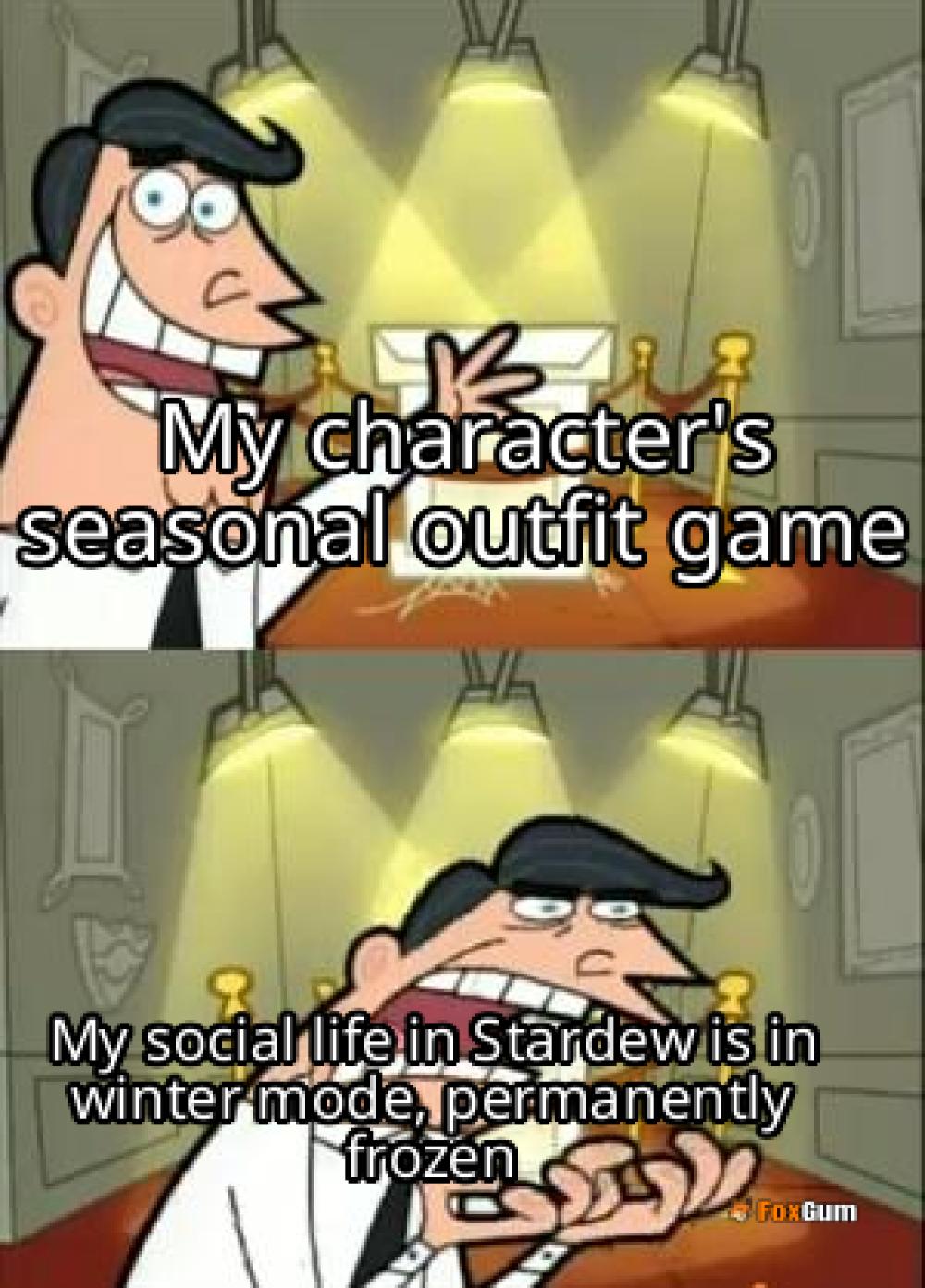

 Seasonal Outfits Stardew Valley Expanded
 Health
  Fitness
  Lifestyle
  Tech
Tech  Travel
  Food
Food  Education
  Parenting
  Career & Work
  Hobbies
  Wellness
  Beauty
  Cars
Cars  Art
Art  Science
  Culture
  Books
Books  Music
Music  Movies
  Gaming
  Sports
  Nature
  Home & Garden
  Business & Finance
  Relationships
  Pets
Pets  Shopping
  Mindset & Inspiration
  Environment
  Gadgets
  Politics