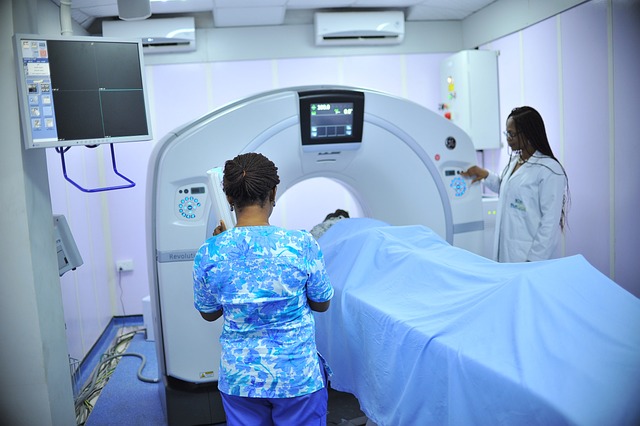
Handling Procedures Vary From Clinics and Hospitals
Introduction
In the healthcare landscape, the handling of medical procedures varies significantly between clinics and hospitals. Understanding these differences is crucial for patients, healthcare professionals, and administrators alike. This article aims to elucidate the distinctions in procedural handling, focusing on the types of procedures performed, the environments in which they are conducted, and the implications for patient care.
Types of Procedures
Procedures in healthcare can be broadly categorized into two types: diagnostic and therapeutic. Diagnostic procedures are aimed at identifying a condition, while therapeutic procedures are intended to treat a diagnosed condition. Both types can be performed in clinics and hospitals, but the scope and complexity of these procedures often dictate the setting.
Diagnostic Procedures
Clinics typically handle less complex diagnostic procedures, such as blood tests, imaging studies (like X-rays or ultrasounds), and minor biopsies. These procedures are often performed on an outpatient basis, allowing patients to return home the same day. In contrast, hospitals are equipped to conduct more complex diagnostic procedures, including advanced imaging techniques (such as MRIs and CT scans) and invasive biopsies that may require sedation or anesthesia.
Therapeutic Procedures
Therapeutic procedures also exhibit a clear distinction between clinics and hospitals. Clinics may perform minor surgical procedures, such as skin lesion removals or joint injections, which can be completed quickly and do not necessitate extensive recovery time. Hospitals, however, are designed to handle major surgeries, such as open-heart surgery, orthopedic procedures, and organ transplants, which require specialized equipment, a larger surgical team, and longer recovery periods.
Environment and Resources
The environment in which procedures are performed plays a significant role in their handling. Hospitals are equipped with advanced technology and resources, including operating rooms, intensive care units, and specialized medical staff. This infrastructure allows hospitals to manage complex cases and emergencies effectively.
Clinics, on the other hand, are typically smaller and may not have the same level of resources. They focus on providing primary care and preventive services, which can lead to a more personalized patient experience. However, the limitations in resources may necessitate referrals to hospitals for more complex procedures.
Patient Care and Follow-Up
Patient care and follow-up procedures also differ between clinics and hospitals. In clinics, the emphasis is often on continuity of care, with healthcare providers maintaining close relationships with their patients. Follow-up appointments are typically scheduled to monitor recovery and address any concerns.
In contrast, hospitals may have a more fragmented approach to patient care, especially in larger facilities where multiple specialists are involved. While hospitals have protocols for follow-up care, the transition from hospital to home can sometimes be less personalized, leading to potential gaps in communication.
Insurance and Costs
The financial implications of procedures performed in clinics versus hospitals can also vary significantly. Generally, outpatient procedures in clinics tend to be less expensive than inpatient procedures in hospitals. Insurance coverage may differ as well, with some plans offering better coverage for outpatient services. Patients should be aware of their insurance policies and discuss potential costs with their healthcare providers before undergoing any procedures.
Conclusion
In summary, the handling of procedures in clinics and hospitals reflects the varying capabilities and focuses of these healthcare settings. While clinics provide essential diagnostic and therapeutic services in a more personalized environment, hospitals are equipped to manage complex cases requiring advanced technology and specialized care. Understanding these differences can empower patients to make informed decisions regarding their healthcare options.

























 Philosophers Talking: The Art of Dialogue
 Health
  Fitness
  Lifestyle
  Tech
Tech  Travel
  Food
Food  Education
  Parenting
  Career & Work
  Hobbies
  Wellness
  Beauty
  Cars
Cars  Art
Art  Science
  Culture
  Books
Books  Music
Music  Movies
  Gaming
  Sports
  Nature
  Home & Garden
  Business & Finance
  Relationships
  Pets
Pets  Shopping
  Mindset & Inspiration
  Environment
  Gadgets
  Politics