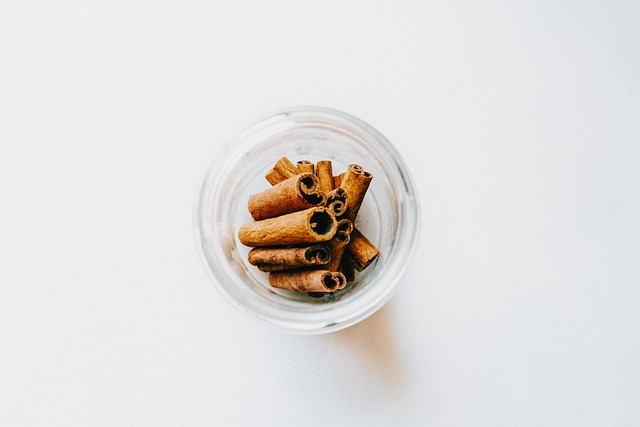
What Happens When Your Sense of Smell Takes a Vacation?
Imagine biting into a warm slice of pie, only to realize you can’t smell a thing. Or walking past a gym bag that’s seen better days and not even flinching. If you’re experiencing this, you might be dealing with anosmia, the fancy term for the loss of your sense of smell. But don’t worry, it’s not a permanent vacation—most of the time, it’s just a temporary hiccup.
Understanding Anosmia
So, what exactly is anosmia? It’s when your nose decides to take a break from detecting odors. This can happen for various reasons, like a nasty cold or sinus infection. It’s like your nose is saying, “I’ve had enough of this sniffing business; I’m out!”
Our sense of smell can also fade as we age. For those of you over 50, it might be a more common occurrence. It’s like your body is saying, “You know what? You’ve had enough of those weird smells. Let’s simplify life.”
How Does Smell Work Anyway?
To understand how anosmia works, let’s break down the sniffing process. When you inhale, tiny molecules from whatever you’re smelling (yes, even that questionable sandwich in the back of the fridge) travel up your nose. They land on a special patch of tissue, where olfactory sensory neurons hang out, just waiting to send signals to your brain. Think of them as the smell messengers.
When these molecules attach to the neurons, they send a signal to your brain, which then decides if you’re smelling something delicious or something that could clear a room. If you can’t smell, it’s like those messengers got lost on their way to the brain. Not great for your culinary adventures, but hey, at least you’re spared from those less-than-pleasant odors!
Causes of Anosmia
There are a few culprits that might be behind your sudden inability to smell:
- Colds and Sinus Infections: The classic duo. When your sinuses are inflamed, it’s like putting up a “Do Not Disturb” sign for odors.
- Allergies: Pollen, dust, and pet dander can cause inflammation and block your smell pathways. Thanks a lot, springtime!
- Aging: As mentioned, our noses can slow down with age. It’s the circle of life, folks.
- Head Injuries: A bump on the head can mess with your olfactory nerves. So, maybe avoid that extreme sport for a bit?
- Neurological Conditions: Conditions like Parkinson’s or Alzheimer’s can also affect your sense of smell.
When to Seek Help
If your sense of smell doesn’t return after a cold or if it’s been missing for a while, it might be time to consult a healthcare professional. While most cases of anosmia are temporary, it’s always best to check in if you’re concerned. After all, you want to enjoy life’s delightful aromas, from fresh coffee to that irresistible BBQ!
Conclusion
In summary, losing your sense of smell can be annoying, but it’s usually not the end of the world. Whether it’s a temporary setback or something that needs a little more attention, understanding anosmia can help you navigate the sniff-less waters. Now go ahead and enjoy that pie—just don’t expect to smell it!





















 Syd Barrett Pink Floyd
 Health
  Fitness
  Lifestyle
  Tech
Tech  Travel
  Food
Food  Education
  Parenting
  Career & Work
  Hobbies
  Wellness
  Beauty
  Cars
Cars  Art
Art  Science
  Culture
  Books
Books  Music
Music  Movies
  Gaming
  Sports
  Nature
  Home & Garden
  Business & Finance
  Relationships
  Pets
Pets  Shopping
  Mindset & Inspiration
  Environment
  Gadgets
  Politics