Interventional Radiology
Introduction to Interventional Radiology
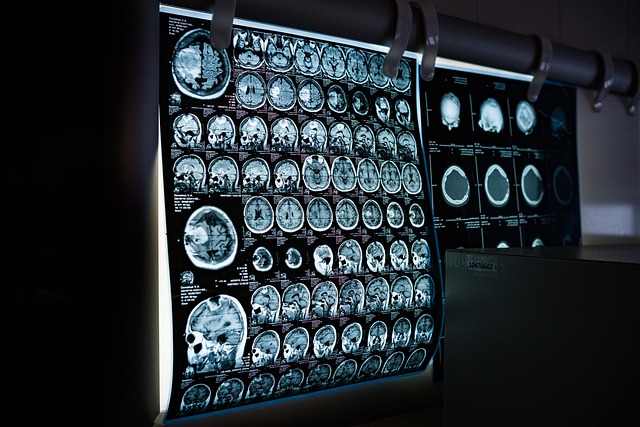
Interventional radiology (IR) is a subspecialty of radiology that employs minimally invasive techniques to diagnose and treat various medical conditions. Utilizing advanced imaging technologies, interventional radiologists perform procedures that traditionally required open surgery, thereby reducing recovery time and minimizing patient discomfort. This article provides an overview of interventional radiology, including its training requirements, common procedures, and the benefits it offers to patients.
Training and Qualifications
To become an interventional radiologist, a medical doctor must complete a rigorous educational pathway. This typically includes:
- Completion of a medical degree from an accredited institution.
- Participation in a residency program in radiology, which generally lasts five years.
- Completion of a fellowship in interventional radiology, which usually lasts one to two years.
After completing their training, interventional radiologists may take the board examination administered by the American Board of Radiology to become certified. This extensive training equips them with the necessary skills to perform complex procedures safely and effectively.
Common Procedures in Interventional Radiology
Interventional radiologists perform a wide range of procedures that can be categorized into diagnostic and therapeutic interventions. Some of the most common procedures include:
- Angiography: A procedure that involves the injection of contrast dye into blood vessels to visualize abnormalities using X-ray imaging.
- Biopsy: The removal of tissue samples for diagnostic purposes, often guided by imaging techniques to ensure accuracy.
- Embolization: A technique used to block blood flow to a specific area, often employed in the treatment of tumors or vascular malformations.
- Stenting: The placement of a small mesh tube to keep a narrowed or blocked blood vessel open.
- Drainage procedures: Insertion of catheters to drain fluid collections, such as abscesses or cysts.
These procedures are often performed under local anesthesia and sedation, allowing for a quicker recovery compared to traditional surgical methods.
Benefits of Interventional Radiology
Interventional radiology offers several advantages over conventional surgical approaches:
- Minimally invasive: Procedures typically involve small incisions or no incisions at all, which reduces the risk of complications and promotes faster healing.
- Shorter recovery time: Patients often experience shorter hospital stays and quicker return to normal activities.
- Reduced pain: The use of local anesthesia and sedation minimizes discomfort during and after procedures.
- Wide range of applications: Interventional radiology can be utilized for various conditions, including cancer treatment, vascular diseases, and gastrointestinal disorders.
These benefits make interventional radiology an increasingly popular choice for both patients and healthcare providers.
Conclusion
Interventional radiology represents a significant advancement in medical treatment, combining the expertise of radiologists with cutting-edge imaging technology to provide effective and less invasive treatment options. As the field continues to evolve, it is likely that interventional radiology will play an even more prominent role in modern medicine, offering patients safer and more efficient alternatives to traditional surgical procedures.
 finn
finn 


























 ফাঁসির দড়ি
 Health
  Fitness
  Lifestyle
  Tech
Tech  Travel
  Food
Food  Education
  Parenting
  Career & Work
  Hobbies
  Wellness
  Beauty
  Cars
Cars  Art
Art  Science
  Culture
  Books
Books  Music
Music  Movies
  Gaming
  Sports
  Nature
  Home & Garden
  Business & Finance
  Relationships
  Pets
Pets  Shopping
  Mindset & Inspiration
  Environment
  Gadgets
  Politics