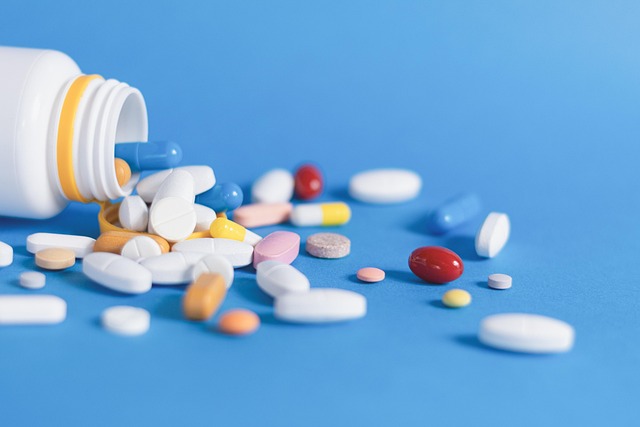
Local Routes of Drug Administration Ppt
Introduction
The administration of medications can occur through various routes, each with distinct advantages and disadvantages. Local routes of drug administration are particularly significant in clinical practice, as they can enhance therapeutic efficacy while minimizing systemic side effects. This article explores several local routes of drug administration, focusing on their mechanisms, benefits, and applications.
Oral Administration
Oral administration is one of the most common routes for drug delivery. Medications taken by mouth are absorbed through the gastrointestinal tract. This route is favored for its convenience and patient compliance. However, it is subject to the first-pass effect, where the drug is metabolized in the liver before reaching systemic circulation, potentially reducing its efficacy.
Intravenous Administration
Intravenous (IV) administration involves delivering medications directly into the bloodstream. This method allows for rapid onset of action and precise control over drug levels in the body. IV administration is particularly useful in emergency situations and for patients who cannot take medications orally. However, it requires skilled personnel and can be associated with complications such as infection or phlebitis.
Vaginal Administration
The vaginal route of drug administration is an underutilized method that offers unique advantages. Medications administered vaginally can bypass the first-pass metabolism, allowing for higher bioavailability. The vaginal mucosa has a rich blood supply, facilitating systemic absorption. This route is particularly effective for local treatments, such as antifungal or hormonal therapies, and is gaining attention for systemic applications as well.
Transdermal Administration
Transdermal drug delivery involves the application of medications through the skin. This route utilizes various formulations, including patches, gels, and ointments. Transdermal systems can provide sustained drug release and maintain stable plasma concentrations over time. The skin acts as a barrier, which can limit the types of drugs that can be effectively delivered transdermally. However, advancements in drug carriers, such as nanoparticles and liposomes, are enhancing the potential of this route.
Inhalation Administration
Inhalation is another local route that delivers medications directly to the respiratory system. This method is commonly used for treating respiratory conditions, such as asthma and chronic obstructive pulmonary disease (COPD). Inhaled medications can achieve rapid onset of action and localized effects with minimal systemic exposure. Devices such as nebulizers and metered-dose inhalers are commonly employed for this purpose.
Conclusion
Local routes of drug administration play a crucial role in modern therapeutics. Each route has its unique characteristics, influencing the choice of administration based on the specific clinical scenario. Understanding the pharmacokinetics and pharmacodynamics associated with these routes is essential for optimizing therapeutic outcomes. As research continues to evolve, the potential for innovative drug delivery systems will likely expand, offering new avenues for effective treatment.



























 Discovering the Comfort of Fjords Recliners
 Health
  Fitness
  Lifestyle
  Tech
Tech  Travel
  Food
Food  Education
  Parenting
  Career & Work
  Hobbies
  Wellness
  Beauty
  Cars
Cars  Art
Art  Science
  Culture
  Books
Books  Music
Music  Movies
  Gaming
  Sports
  Nature
  Home & Garden
  Business & Finance
  Relationships
  Pets
Pets  Shopping
  Mindset & Inspiration
  Environment
  Gadgets
  Politics