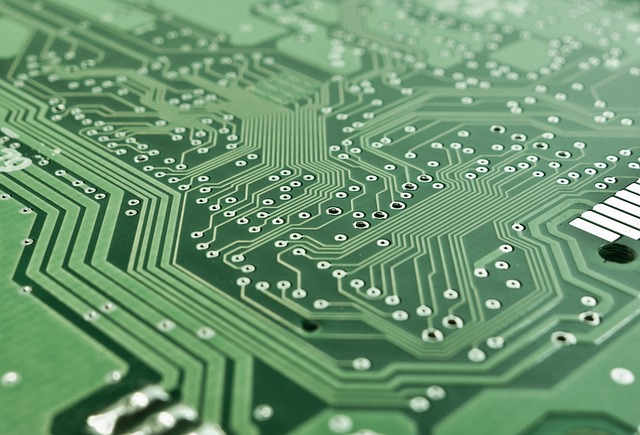
Motherboard Sizes
Understanding Motherboard Sizes
The motherboard is a crucial component of any computer system, serving as the main circuit board that connects all other parts. As technology has advanced, different sizes of motherboards have emerged to accommodate various needs and preferences. This article explores the most common motherboard sizes, their features, and the contexts in which they are best utilized.
Common Motherboard Sizes
Motherboards come in several standard sizes, each designed for specific types of builds. The most prevalent sizes include ATX, microATX, and mini-ITX. Understanding these sizes can help users make informed decisions when building or upgrading their PCs.
- ATX (Advanced Technology eXtended)
- microATX
- mini-ITX
The ATX motherboard is the most widely used size in desktop computers. Measuring 305mm x 244mm (12 inches x 9.6 inches), it offers ample space for multiple expansion slots, RAM slots, and connectors. This size is ideal for gaming rigs and workstations that require additional components such as graphics cards and storage drives.
MicroATX motherboards are slightly smaller, measuring 244mm x 244mm (9.6 inches x 9.6 inches). They provide a good balance between size and functionality, offering fewer expansion slots than ATX boards but still accommodating enough for most users. MicroATX is often chosen for budget builds or compact systems where space is a concern.
Mini-ITX motherboards are the smallest of the three, measuring 170mm x 170mm (6.7 inches x 6.7 inches). These boards are designed for ultra-compact builds, such as home theater PCs or small form factor systems. While they have limited expansion options, mini-ITX boards are perfect for users who prioritize space-saving designs.
Choosing the Right Size
When selecting a motherboard size, several factors should be considered:
- Case Compatibility: Ensure that the chosen motherboard size fits within the computer case. Most cases specify which motherboard sizes they support.
- Expansion Needs: Consider how many components will be added to the system. Gamers and professionals may prefer ATX for additional slots, while casual users might find microATX or mini-ITX sufficient.
- Space Constraints: For users with limited space, mini-ITX offers a compact solution without sacrificing performance.
Conclusion
Understanding motherboard sizes is essential for anyone looking to build or upgrade a computer. Each size has its unique advantages and is suited for different types of users and applications. By considering factors such as case compatibility, expansion needs, and space constraints, individuals can make informed choices that best fit their computing requirements.
 todd_h
























 Discovering the Comfort of Fjords Recliners
 Health
  Fitness
  Lifestyle
  Tech
Tech  Travel
  Food
Food  Education
  Parenting
  Career & Work
  Hobbies
  Wellness
  Beauty
  Cars
Cars  Art
Art  Science
  Culture
  Books
Books  Music
Music  Movies
  Gaming
  Sports
  Nature
  Home & Garden
  Business & Finance
  Relationships
  Pets
Pets  Shopping
  Mindset & Inspiration
  Environment
  Gadgets
  Politics