Organic Gardening Homesteading and Woodworking
Introduction
In recent years, the practices of organic gardening, homesteading, and woodworking have gained significant traction among individuals seeking a more sustainable and self-sufficient lifestyle. These interconnected activities not only promote environmental stewardship but also foster a sense of community and personal fulfillment. This article explores the principles and benefits of each practice, providing insights into how they can be harmoniously integrated into daily life.
Understanding Organic Gardening
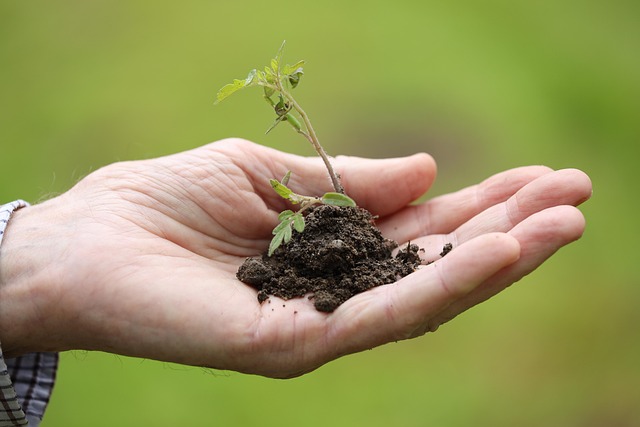
Organic gardening is a method of cultivating plants without the use of synthetic fertilizers, pesticides, or genetically modified organisms (GMOs). Instead, it emphasizes natural processes and materials to enhance soil fertility and plant health. The core principles of organic gardening include:
- Soil Health: Healthy soil is the foundation of organic gardening. Practices such as composting, crop rotation, and cover cropping help maintain soil structure and nutrient content.
- Diversity: Planting a variety of crops can reduce pest outbreaks and improve resilience against diseases. Companion planting, where certain plants are grown together for mutual benefit, is a common practice.
- Natural Pest Management: Organic gardeners utilize beneficial insects, such as ladybugs and lacewings, to control pest populations. Additionally, organic-approved pesticides derived from natural sources may be employed when necessary.
- Seasonal Planting: Understanding local climate conditions and planting seasons is crucial for maximizing yields. Seasonal planting aligns with nature's cycles, ensuring that crops thrive.
The Essence of Homesteading
Homesteading is a lifestyle choice that emphasizes self-sufficiency and sustainability. It often involves growing one’s own food, raising livestock, and engaging in various crafts and trades. The key components of homesteading include:
- Food Production: Homesteaders typically cultivate gardens, orchards, and sometimes raise animals for meat, dairy, and eggs. This not only provides fresh food but also reduces reliance on commercial agriculture.
- Resource Management: Efficient use of resources, such as water and energy, is paramount. Many homesteaders implement rainwater harvesting systems and renewable energy sources like solar panels.
- Craftsmanship: Skills such as canning, sewing, and woodworking are often integral to homesteading. These crafts enable individuals to create and preserve their own goods, further enhancing self-sufficiency.
- Community Engagement: Many homesteaders participate in local farmers' markets, trade skills with neighbors, and share resources, fostering a sense of community and collaboration.
Woodworking as a Complementary Skill
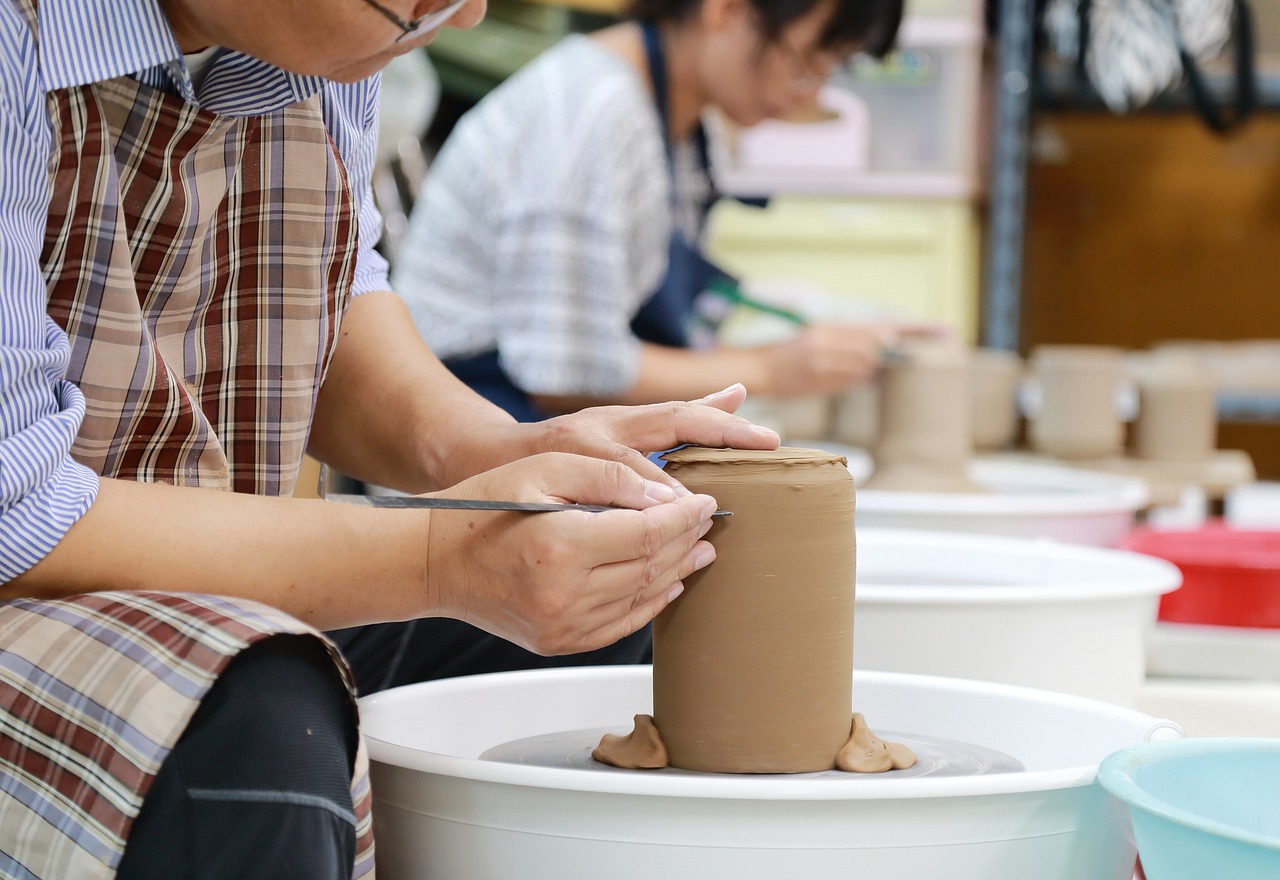
Woodworking is a valuable skill that complements both organic gardening and homesteading. It allows individuals to create functional and aesthetic items from wood, ranging from garden beds to furniture. The benefits of woodworking include:
- Resourcefulness: Woodworking enables homesteaders to repurpose materials and create tools or structures that enhance their living environment.
- Creativity: Engaging in woodworking fosters creativity and self-expression. Crafting unique pieces can be a fulfilling way to personalize one’s homestead.
- Skill Development: Learning woodworking techniques can lead to increased confidence and proficiency in handling tools and materials, which is beneficial for various homesteading tasks.
- Connection to Nature: Working with wood fosters a deeper appreciation for natural resources and encourages sustainable practices, such as sourcing wood from local or reclaimed materials.
Integrating Practices for a Sustainable Lifestyle
Integrating organic gardening, homesteading, and woodworking creates a holistic approach to sustainable living. Here are some ways to harmonize these practices:
- Designing Functional Spaces: Utilize woodworking skills to create raised garden beds, compost bins, and storage solutions that enhance the efficiency of gardening and homesteading efforts.
- Creating a Productive Ecosystem: Establish a permaculture garden that incorporates diverse plant species, animals, and woodworking projects to create a self-sustaining ecosystem.
- Sharing Knowledge: Engage with local communities or online platforms to share experiences, tips, and resources related to organic gardening, homesteading, and woodworking.
- Emphasizing Education: Consider workshops or classes that focus on these skills, fostering a culture of learning and collaboration among enthusiasts.
Conclusion
Organic gardening, homesteading, and woodworking are not merely hobbies; they represent a commitment to sustainable living and a deeper connection to the environment. By embracing these practices, individuals can cultivate not only their gardens but also their skills, communities, and well-being. The journey towards self-sufficiency and sustainability is a rewarding one, inviting all to participate in a lifestyle that honors nature and nurtures the human spirit.
 tammy_v

























 Screenwriters and Their Output
 Health
  Fitness
  Lifestyle
  Tech
Tech  Travel
  Food
Food  Education
  Parenting
  Career & Work
  Hobbies
  Wellness
  Beauty
  Cars
Cars  Art
Art  Science
  Culture
  Books
Books  Music
Music  Movies
  Gaming
  Sports
  Nature
  Home & Garden
  Business & Finance
  Relationships
  Pets
Pets  Shopping
  Mindset & Inspiration
  Environment
  Gadgets
  Politics