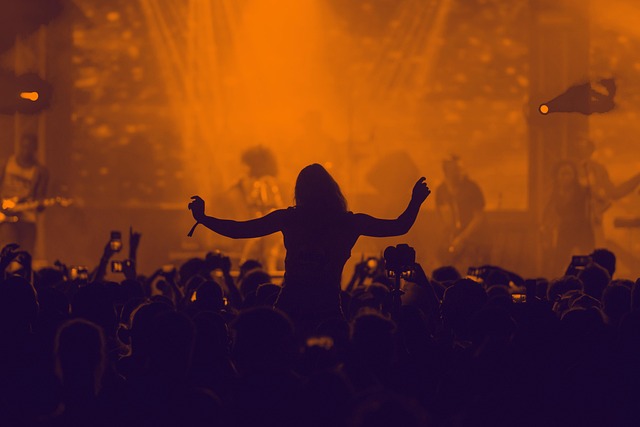
Performers At Woodstock
Introduction
The Woodstock Festival, held in August 1969, is often regarded as a pivotal moment in music history. This iconic event brought together a diverse array of artists who not only defined a generation but also shaped the future of music. The festival's lineup featured a mix of established stars and emerging talents, each contributing to the cultural tapestry of the time.
Key Performers
Among the many artists who graced the stage at Woodstock, several stand out for their performances and the impact they had on the festival's legacy.
- Richie Havens
- Tim Hardin
- Melanie
- Country Joe McDonald
- Quill
Richie Havens was the first performer at Woodstock, and his set became legendary. He played for nearly three hours, captivating the audience with his soulful voice and powerful guitar work. Havens was initially scheduled for a shorter performance, but due to delays from other artists, he was asked to continue playing. His rendition of "Freedom" became an anthem of the festival.
Tim Hardin's appearance at Woodstock included a solo performance of his well-known song "If I Were A Carpenter." His set, which showcased his unique songwriting and vocal style, resonated with the audience and added depth to the festival's lineup.
Melanie's performance, though brief, left a lasting impression. She took the stage late on Friday night, where her anxious yet heartfelt delivery connected with the crowd. Her song "Lay Down (Candles in the Rain)" would later become associated with the spirit of Woodstock.
Country Joe McDonald performed a solo set that was both relaxed and engaging. His performance included the famous "Fish Cheer," which became a rallying cry for the anti-war movement. McDonald's ability to connect with the audience made his set memorable.
Quill, a band that gained popularity in New England, also performed at Woodstock. Their energetic set included a mix of original songs and showcased their musicianship, contributing to the festival's eclectic atmosphere.
Impact of the Performances
The performances at Woodstock were not just about music; they represented a cultural shift. The festival became a symbol of peace, love, and unity during a turbulent time in American history. Artists used their platforms to address social issues, and their messages resonated with the audience, many of whom were part of the counterculture movement.
Conclusion
Woodstock was more than a music festival; it was a defining moment for a generation. The performers who took the stage contributed to a legacy that continues to influence artists today. Their music and messages remain relevant, reminding us of the power of art to inspire change and bring people together.
 greyghost



















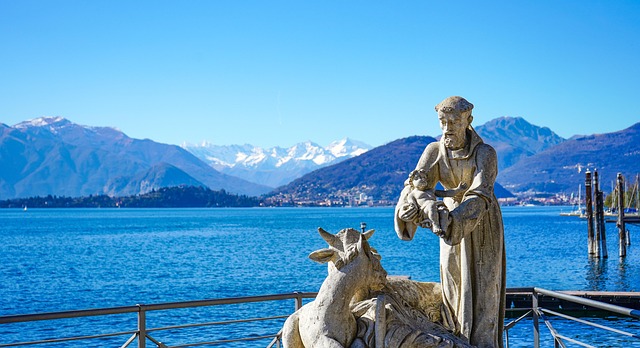
 The Power of Prayer to St. Anthony
 Health
  Fitness
  Lifestyle
  Tech
Tech  Travel
  Food
Food  Education
  Parenting
  Career & Work
  Hobbies
  Wellness
  Beauty
  Cars
Cars  Art
Art  Science
  Culture
  Books
Books  Music
Music  Movies
  Gaming
  Sports
  Nature
  Home & Garden
  Business & Finance
  Relationships
  Pets
Pets  Shopping
  Mindset & Inspiration
  Environment
  Gadgets
  Politics