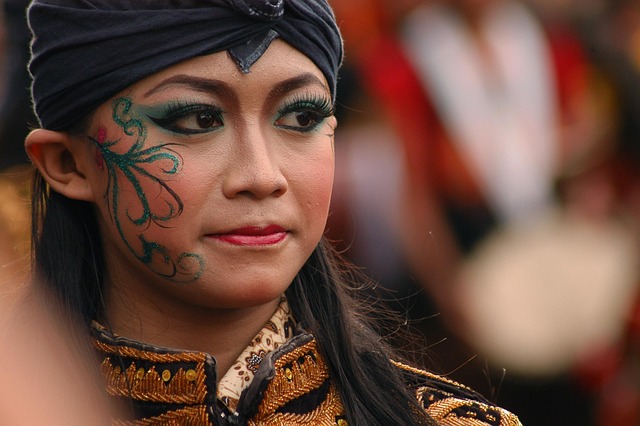
Indian Classical Dance Forms
Introduction to Indian Classical Dance
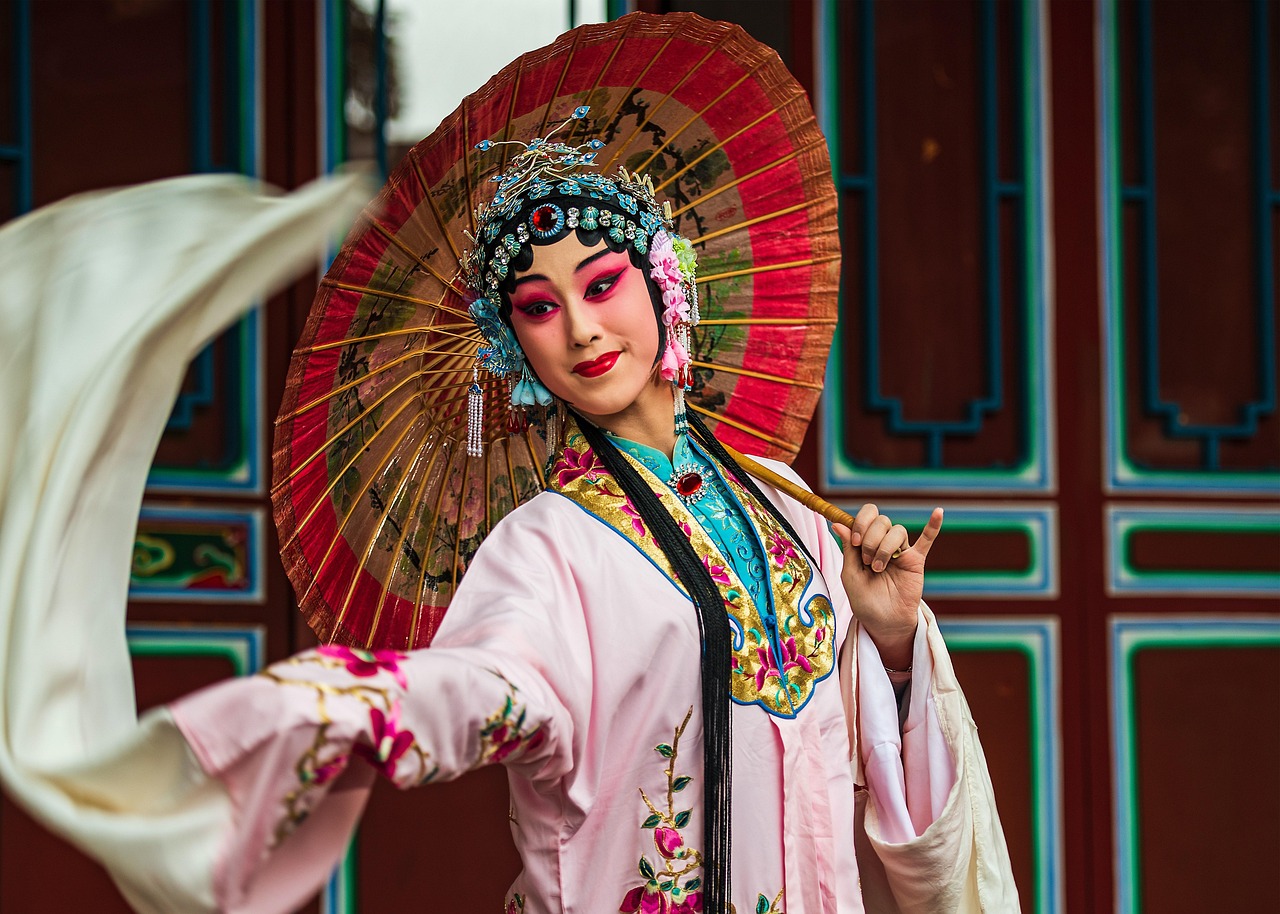
Indian classical dance forms are a rich tapestry of cultural expression, deeply rooted in the spiritual and artistic traditions of India. These dance forms are not merely performances; they embody a profound connection to the country's history, mythology, and philosophy. Each style has its unique characteristics, techniques, and narratives, making them a vital part of India's cultural heritage.
The Essence of Indian Classical Dance
At the core of Indian classical dance lies the Natya Shastra, an ancient text attributed to the sage Bharata Muni. This text serves as a comprehensive guide to the performing arts, detailing the theory of dance, expression, gestures, and acting techniques. It emphasizes that dance is a form of spiritual expression, capable of conveying the essence of scriptures and virtues.
Major Classical Dance Forms
There are several prominent classical dance forms in India, each with its distinct style and regional influences. Here are some of the most recognized:
- Bharatanatyam: Originating from Tamil Nadu, Bharatanatyam is known for its intricate footwork, expressive hand gestures, and storytelling through dance. It often depicts themes from Hindu mythology.
- K Kathak: This dance form hails from North India and is characterized by its swift foot movements, spins, and expressive facial expressions. Kathak often narrates stories through a combination of dance and music.
- Odissi: From the eastern state of Odisha, Odissi is distinguished by its graceful movements and sculpturesque poses. It often features themes of devotion and love, particularly towards Lord Krishna.
- Manipuri: This dance form from Manipur is known for its fluid movements and graceful gestures. It often portrays the life of Lord Krishna and the traditional rituals of the region.
- Kuchipudi: Originating from Andhra Pradesh, Kuchipudi combines dance and drama. It is known for its expressive storytelling and vibrant costumes.
- Mohiniyattam: This dance form from Kerala is characterized by its graceful, swaying movements and feminine style. It often depicts themes of love and devotion.
Key Elements of Indian Classical Dance
Each classical dance form incorporates specific elements that contribute to its unique identity:
- Rasa: This refers to the emotional essence conveyed through the dance. It is central to the experience of the audience and is categorized into different emotions such as love, humor, and devotion.
- Bhava: These are the expressions and sentiments that dancers portray through their movements and facial expressions. Bhava enhances the storytelling aspect of the performance.
- Abhinaya: This is the art of expression in dance, encompassing gestures, facial expressions, and body movements to convey the narrative.
- Gharana: Each dance form has its own style or school, known as gharana, which influences the techniques and interpretations of the dance.
The Role of Music and Rhythm
Music plays a crucial role in Indian classical dance. Each dance form is accompanied by traditional music, which enhances the overall experience. The rhythm, known as tala, is integral to the performance, guiding the dancer's movements and expressions. Musicians often perform live, creating a dynamic interaction between the dancer and the music.
Conclusion
Indian classical dance forms are a celebration of culture, spirituality, and artistic expression. They offer a glimpse into the rich heritage of India and continue to evolve while preserving their traditional roots. Whether performed in temples, theaters, or cultural festivals, these dance forms remain a vital part of India's identity, inviting audiences to experience the beauty and depth of this ancient art.
 rhea
rhea 


















 The Icy Wonderland of Greenland! 🧊
 Health
  Fitness
  Lifestyle
  Tech
Tech  Travel
  Food
Food  Education
  Parenting
  Career & Work
  Hobbies
  Wellness
  Beauty
  Cars
Cars  Art
Art  Science
  Culture
  Books
Books  Music
Music  Movies
  Gaming
  Sports
  Nature
  Home & Garden
  Business & Finance
  Relationships
  Pets
Pets  Shopping
  Mindset & Inspiration
  Environment
  Gadgets
  Politics