Piston Engines Vs Turboprop
Introduction
In the world of aviation, the choice of engine type can significantly impact performance, cost, and operational capabilities. Two common engine types are piston engines and turboprop engines. Each has its unique advantages and disadvantages, making them suitable for different flying needs. This article will explore the characteristics of both engine types to help pilots and aviation enthusiasts understand their options better.
Piston Engines
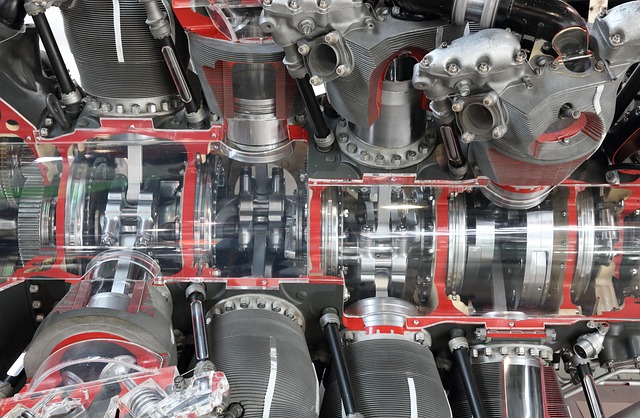
Piston engines are often regarded as the more traditional choice for general aviation. They operate similarly to car engines, using pistons to convert fuel into mechanical energy. Here are some key features:
- Cost-Effectiveness: Piston-engine aircraft generally have lower purchase prices and operating costs compared to turboprops. This affordability makes them popular among flight schools and casual pilots.
- Fuel Availability: They typically run on aviation gasoline, which is widely available at many airports, making refueling convenient.
- Performance: While piston engines are suitable for shorter flights and lower altitudes, they may struggle with efficiency and speed over long distances.
- Examples: Iconic aircraft such as the P-51 Mustang and Supermarine Spitfire showcase the capabilities of piston engines, particularly in historical contexts.
Turboprop Engines
Turboprop engines represent a more modern approach to aviation propulsion. They combine elements of jet engines and propeller systems, making them versatile for various applications. Key aspects include:
- Efficiency: Turboprop engines are known for their fuel efficiency, especially at higher altitudes and longer distances, making them ideal for regional flights.
- Speed: They offer better speed compared to piston engines, allowing for quicker travel times on longer routes.
- Short-Runway Capability: One of the significant advantages of turboprops is their ability to operate from shorter runways, which is beneficial for accessing remote airports.
- Commercial Use: Turboprop engines are often favored in commercial aviation, where efficiency and speed are crucial for profitability.
Comparative Analysis
When deciding between piston and turboprop engines, several factors should be considered:
- Budget: Piston engines are generally more affordable, making them suitable for private pilots and flight schools. Turboprops, while more expensive, can offer better long-term value for commercial operations.
- Flight Profile: For short, leisurely flights, piston engines are often sufficient. However, for longer distances or higher altitudes, turboprops provide significant advantages.
- Operational Flexibility: Turboprops can operate in diverse environments, including shorter runways, which can be a deciding factor for certain missions.
- Maintenance: Piston engines may require more frequent maintenance due to their mechanical complexity, while turboprops, though more complex, can be more reliable over time.
Conclusion
The choice between piston and turboprop engines ultimately depends on the specific needs of the pilot and the intended use of the aircraft. Piston engines offer a straightforward, cost-effective solution for general aviation, while turboprops provide enhanced performance and efficiency for longer, more demanding flights. Understanding these differences can help pilots make informed decisions that align with their flying goals.
 xan
xan 























 Shinedown Tour: A Rock Experience Like No Other
 Health
  Fitness
  Lifestyle
  Tech
Tech  Travel
  Food
Food  Education
  Parenting
  Career & Work
  Hobbies
  Wellness
  Beauty
  Cars
Cars  Art
Art  Science
  Culture
  Books
Books  Music
Music  Movies
  Gaming
  Sports
  Nature
  Home & Garden
  Business & Finance
  Relationships
  Pets
Pets  Shopping
  Mindset & Inspiration
  Environment
  Gadgets
  Politics