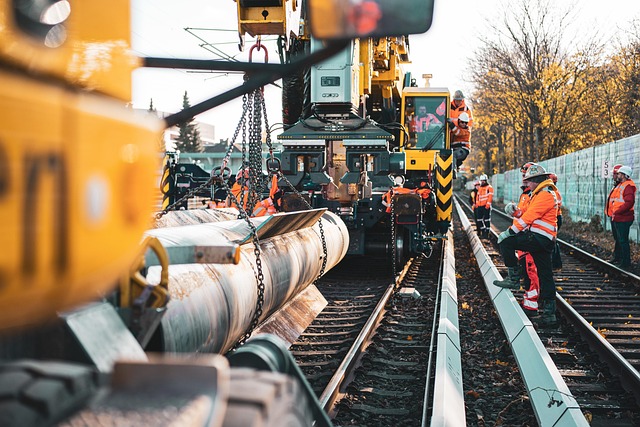
Pre Owned Machinery
Introduction
The acquisition of pre-owned machinery has become a viable option for businesses seeking to optimize their operations while managing costs. This article explores the benefits, considerations, and types of pre-owned machinery available, particularly in the woodworking industry.
Benefits of Pre-Owned Machinery
Investing in pre-owned machinery offers several advantages:
- Cost-Effectiveness: Pre-owned machinery is typically available at a fraction of the cost of new equipment. This allows businesses to allocate resources more efficiently.
- Quality Assurance: Many suppliers offer certified pre-owned machinery that has undergone rigorous inspection and reconditioning, ensuring reliable performance.
- Immediate Availability: Unlike new machinery, which may have long lead times, pre-owned equipment can often be acquired and put into operation quickly.
- Variety of Options: The market for pre-owned machinery includes a wide range of equipment from various manufacturers, providing businesses with diverse choices to meet their specific needs.
Types of Pre-Owned Machinery
In the woodworking sector, several categories of pre-owned machinery are commonly available:
- CNC Machines: Computer Numerical Control (CNC) machines are essential for precision cutting and shaping of materials. Pre-owned CNC machines can deliver high performance at a lower cost.
- Band Saws: Automated band saws are crucial for cutting large pieces of wood efficiently. The availability of pre-owned models allows for significant savings.
- Planers and Jointers: These machines are vital for achieving smooth finishes on wood surfaces. Pre-owned options can provide the same functionality as new models.
- Dust Collection Systems: Effective dust collection is essential for maintaining a safe working environment. Pre-owned dust collection systems can be a cost-effective solution for businesses.
Considerations When Purchasing Pre-Owned Machinery
While the benefits of pre-owned machinery are significant, several factors should be considered before making a purchase:
- Condition of the Equipment: It is crucial to assess the condition of the machinery. Look for suppliers that provide detailed inspection reports and warranties.
- Compatibility: Ensure that the pre-owned machinery is compatible with existing systems and processes within the business.
- Supplier Reputation: Research the supplier's reputation in the industry. Reliable suppliers often have a history of providing quality machinery and customer support.
- Cost of Maintenance: Consider the potential maintenance costs associated with older machinery. Some pre-owned equipment may require more frequent servicing.
Conclusion
Pre-owned machinery presents a practical solution for businesses looking to enhance their operational efficiency without incurring the high costs associated with new equipment. By carefully evaluating the condition, compatibility, and supplier reputation, organizations can make informed decisions that align with their operational needs and budgetary constraints.
 sage
sage 






















 Unleashing Creativity with Artist and Craftsman
 Health
  Fitness
  Lifestyle
  Tech
Tech  Travel
  Food
Food  Education
  Parenting
  Career & Work
  Hobbies
  Wellness
  Beauty
  Cars
Cars  Art
Art  Science
  Culture
  Books
Books  Music
Music  Movies
  Gaming
  Sports
  Nature
  Home & Garden
  Business & Finance
  Relationships
  Pets
Pets  Shopping
  Mindset & Inspiration
  Environment
  Gadgets
  Politics