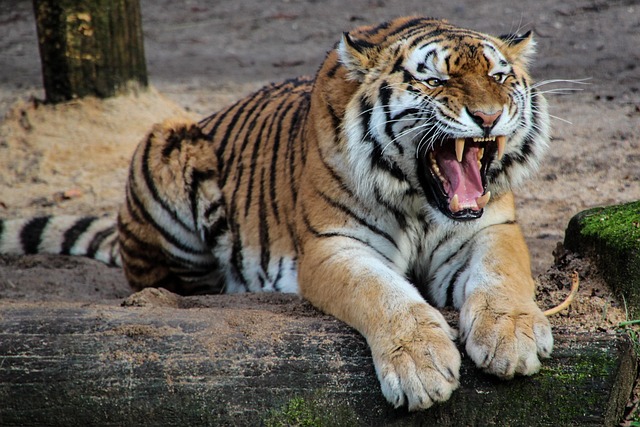
Predator Avoidance
Understanding Predator Avoidance
In the intricate web of life, the relationship between predators and prey is a fundamental aspect of the natural world. The constant struggle for survival has led to the evolution of remarkable adaptations in prey species, enabling them to evade their predators. These adaptations, known as anti-predator strategies, encompass a variety of mechanisms that enhance the chances of survival in the face of danger.
Types of Anti-Predator Adaptations
Anti-predator adaptations can be broadly categorized into several strategies, each serving a unique purpose in the ongoing battle for survival. Understanding these strategies provides insight into the fascinating ways in which animals have evolved to protect themselves.
- Avoiding Detection
The first line of defense for many prey species is to avoid being detected by predators altogether. This can be achieved through various means:
- Camouflage: Many animals possess coloration or patterns that blend seamlessly into their surroundings, making them difficult to spot. For example, the peppered moth's coloration allows it to merge with tree bark.
- Masquerade: Some species mimic objects in their environment, such as leaves or twigs, to evade detection. The stick insect is a prime example of this strategy.
- Nocturnality: By being active at night, certain prey species reduce their chances of encountering predators that hunt during the day.
When avoidance fails, prey animals may employ strategies to deter predators:
- Aposematism: Bright coloration can signal to potential predators that an animal is toxic or unpalatable. The poison dart frog is a well-known example of this strategy.
- Mimicry: Some prey species mimic the appearance of toxic or dangerous animals to avoid being attacked.
- Startling Displays: Sudden movements or displays can startle a predator, giving the prey a chance to escape.
Living in groups can significantly reduce the risk of predation:
- Improved Vigilance: In a group, individuals can take turns watching for predators, allowing others to feed or rest.
- Confusion Effect: A large group can confuse predators, making it difficult for them to focus on a single target.
Some prey species have developed the ability to fight back against their attackers:
- Defensive Structures: Many animals possess physical adaptations such as spines, shells, or venom that can deter predators.
- Behavioral Responses: Some species may engage in aggressive displays or even attack predators when threatened.
When all else fails, the ability to escape is crucial:
- Speed and Agility: Many prey species have evolved to be fast runners or agile climbers, allowing them to evade capture.
- Burrowing: Some animals can quickly retreat to underground burrows to avoid predators.
The Importance of Anti-Predator Adaptations
Understanding these adaptations is vital for appreciating the delicate balance of ecosystems. Each species plays a role in its environment, and the survival of prey animals is essential for maintaining the food web. The evolution of these strategies not only showcases the ingenuity of nature but also highlights the ongoing arms race between predators and prey.
Conclusion
Predator avoidance is a testament to the resilience and adaptability of life on Earth. Through a variety of strategies, prey species have developed remarkable ways to navigate the challenges posed by their predators. As we continue to explore and understand these adaptations, we gain deeper insights into the complexities of nature and the intricate relationships that define our world.
 vikki99

















 Discovering Flexible Flights to Australia
 Health
  Fitness
  Lifestyle
  Tech
Tech  Travel
  Food
Food  Education
  Parenting
  Career & Work
  Hobbies
  Wellness
  Beauty
  Cars
Cars  Art
Art  Science
  Culture
  Books
Books  Music
Music  Movies
  Gaming
  Sports
  Nature
  Home & Garden
  Business & Finance
  Relationships
  Pets
Pets  Shopping
  Mindset & Inspiration
  Environment
  Gadgets
  Politics