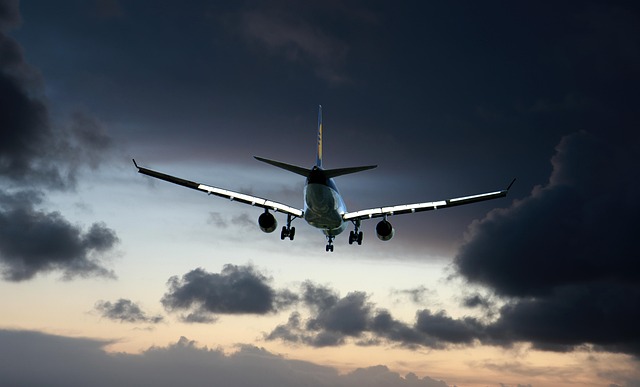
Radiotelephony Phraseology
Understanding Radiotelephony Phraseology
In the world of aviation, communication is key. Just like a well-timed punchline can make or break a comedy show, clear communication can be the difference between a smooth flight and a chaotic one. Enter radiotelephony phraseology, the standardized language that pilots and air traffic controllers use to keep the skies safe and sound.
Now, you might be wondering, what’s so special about this phraseology? Well, it’s all about brevity and clarity. In aviation, there’s no room for misunderstandings. Imagine a pilot saying, “I think I might want to…” instead of “Requesting clearance for takeoff.” That could lead to some serious turbulence—figuratively speaking, of course!
The Importance of Standardized Communication
According to various studies, communication errors are the leading cause of runway incursions and level busts, particularly in Europe. This is where standardized phraseology comes into play. It ensures that everyone is on the same page, or rather, the same frequency. Pilots and controllers use a specific set of terms that are universally understood, which helps to minimize confusion.
Commonly Used Phrases
So, what does this phraseology look like in action? Here’s a quick reference of some commonly used terms:
- “Cleared for takeoff”: The golden ticket for pilots, signaling that it’s time to ascend into the wild blue yonder.
- “Roger”: A classic way of saying, “I got your message, loud and clear!”
- “Affirmative”: Because sometimes “yes” just doesn’t cut it.
- “Negative”: The polite way of saying “no” without hurting feelings.
These phrases are not just for show; they serve a crucial purpose in maintaining safety and efficiency in the air. The less time spent fumbling over words, the more time there is for actual flying—unless, of course, you enjoy the thrill of aerial charades.
Why Brevity Is Key
In aviation, brevity is not just a fancy word; it’s a way of life. Controllers need to know what a pilot wants to do before they can effectively manage air traffic. The quicker the communication, the better the flow of air traffic. Think of it like ordering coffee at a busy café: the sooner you get your order in, the sooner you can enjoy that caffeine boost. ☕
Moreover, pilots are trained to keep their communications as concise as possible. Long-winded explanations are reserved for family gatherings, not the cockpit. The goal is to convey necessary information without turning a simple request into a TED Talk.
Conclusion
Radiotelephony phraseology is an essential tool in the aviation industry, ensuring that pilots and air traffic controllers can communicate effectively and safely. By adhering to these standardized phrases, the chances of miscommunication are significantly reduced, paving the way for smoother skies ahead. So next time you’re flying, take a moment to appreciate the language of the skies—it’s more than just words; it’s a lifeline!

























 Event Venues: The Heartbeat of Every Celebration 🎉
 Health
  Fitness
  Lifestyle
  Tech
Tech  Travel
  Food
Food  Education
  Parenting
  Career & Work
  Hobbies
  Wellness
  Beauty
  Cars
Cars  Art
Art  Science
  Culture
  Books
Books  Music
Music  Movies
  Gaming
  Sports
  Nature
  Home & Garden
  Business & Finance
  Relationships
  Pets
Pets  Shopping
  Mindset & Inspiration
  Environment
  Gadgets
  Politics