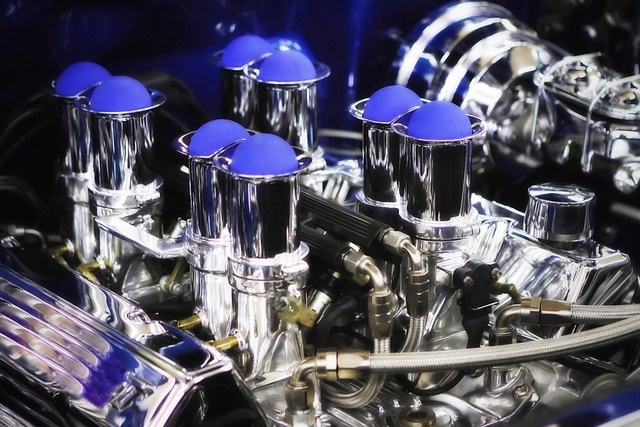
Rocker Arms
Understanding Rocker Arms
Rocker arms play a crucial role in the operation of internal combustion engines, particularly in overhead valve (OHV) configurations. These components are responsible for transferring the motion of the pushrod to the engine's intake and exhaust valves, enabling the engine to breathe effectively. This article delves into the function, types, and significance of rocker arms in automotive engineering.
Function of Rocker Arms
The primary function of a rocker arm is to facilitate the opening and closing of engine valves. In an OHV engine, the camshaft is located within the engine block, below the cylinder banks. As the camshaft rotates, it pushes the pushrod upwards, which in turn moves the rocker arm. This motion causes the rocker arm to pivot, allowing it to push down on the valve stem and open the valve. Once the camshaft rotates past the peak of the cam lobe, the spring tension closes the valve again.
Types of Rocker Arms
There are several types of rocker arms, each designed for specific engine configurations:
- Standard Rocker Arms: These are the most common type found in OHV engines. They pivot around a central fulcrum, transferring motion from the pushrod to the valve.
- Finger Followers: Used in some overhead cam (OHC) engines, these short rocker arms have one end anchored and pivot on a roller bearing. The cam lobe pushes down on the back of the rocker arm, allowing for a more compact design.
- Roller Rocker Arms: These feature a roller at the tip that contacts the valve stem. This design reduces friction and wear, improving efficiency and performance.
Rocker Ratio
The rocker ratio is an important aspect of rocker arm design. It is defined as the distance traveled by the valve divided by the distance traveled by the pushrod. This ratio is determined by the distances from the rocker arm's pivot point to where it contacts the valve and the pushrod. A higher rocker ratio can increase valve lift, which may enhance engine performance. However, it can also lead to increased stress on the components, necessitating careful consideration in engine design.
Importance of Rocker Arms
Rocker arms contribute significantly to the overall performance and efficiency of an engine. They are part of the valve train system, which is critical for the engine's ability to intake air and expel exhaust gases. Properly functioning rocker arms ensure that the valves open and close at the correct times, optimizing combustion and power output.
Additionally, rocker arms affect the reciprocating weight of the valve train. Lighter rocker arms can reduce the overall weight of the engine, allowing for higher RPMs and improved performance. This is particularly important in high-performance and racing applications, where every component must work in harmony to achieve maximum efficiency.
Conclusion
In summary, rocker arms are essential components in internal combustion engines, facilitating the critical task of valve operation. Understanding their function, types, and importance can provide valuable insights into engine performance and design. As automotive technology continues to evolve, the role of rocker arms will remain significant in achieving efficient and powerful engine performance.
 ehoto
ehoto 




















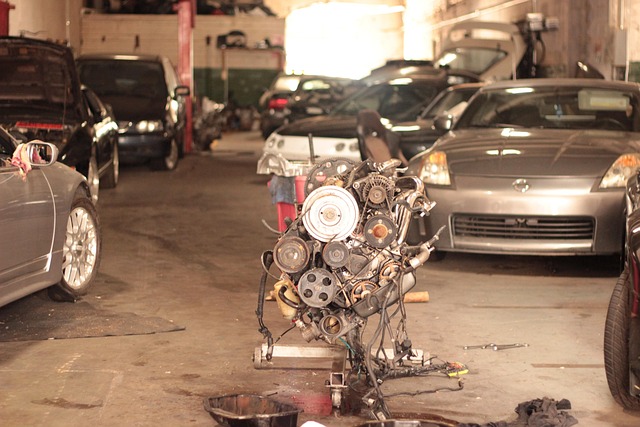
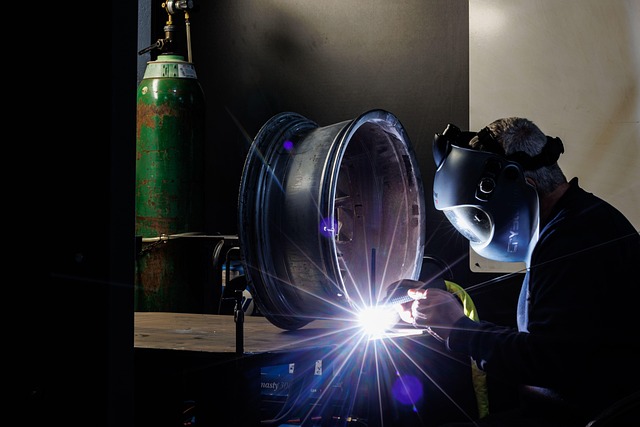
 Mechanics in Hatch End
 Health
  Fitness
  Lifestyle
  Tech
Tech  Travel
  Food
Food  Education
  Parenting
  Career & Work
  Hobbies
  Wellness
  Beauty
  Cars
Cars  Art
Art  Science
  Culture
  Books
Books  Music
Music  Movies
  Gaming
  Sports
  Nature
  Home & Garden
  Business & Finance
  Relationships
  Pets
Pets  Shopping
  Mindset & Inspiration
  Environment
  Gadgets
  Politics