
Swellings in Bodily Tissues Nyt
Understanding Swellings in Bodily Tissues
Swellings in bodily tissues, commonly referred to as edema, can be a perplexing and often concerning condition. This phenomenon occurs when excess fluid accumulates in the body's tissues, leading to noticeable swelling. While it can affect various parts of the body, understanding the underlying causes and implications of edema is essential for effective management and treatment.
What is Edema?
Edema is characterized by an abnormal buildup of fluid in the interstitial spaces of tissues. This condition can manifest in different forms, affecting areas such as the legs, ankles, feet, and even the abdomen. The swelling can vary in severity, from mild puffiness to significant enlargement of the affected area.
Causes of Edema
There are numerous factors that can contribute to the development of edema. Some of the most common causes include:
- Injury or Inflammation: When tissues are injured, they can become inflamed, leading to localized swelling.
- Heart Conditions: Heart failure can cause fluid to accumulate in the body, particularly in the legs and abdomen.
- Kidney Issues: Impaired kidney function can result in fluid retention, contributing to edema.
- Liver Disease: Conditions affecting the liver can disrupt the body's fluid balance, leading to swelling.
- Medications: Certain medications, such as those for high blood pressure or nonsteroidal anti-inflammatory drugs (NSAIDs), can cause fluid retention as a side effect.
Lymphedema: A Specific Type of Edema
While edema can arise from various causes, lymphedema is a specific type that occurs when lymphatic fluid does not circulate properly through the lymphatic system. This condition can lead to chronic swelling, often in the arms or legs. Lymphedema can be caused by genetic factors, surgery, or radiation therapy that damages lymph nodes.
Symptoms and Diagnosis
Symptoms of edema can vary depending on the underlying cause. Common signs include:
- Swelling in the affected area
- Tightness or heaviness in the limbs
- Restricted range of motion
- Changes in skin color or texture
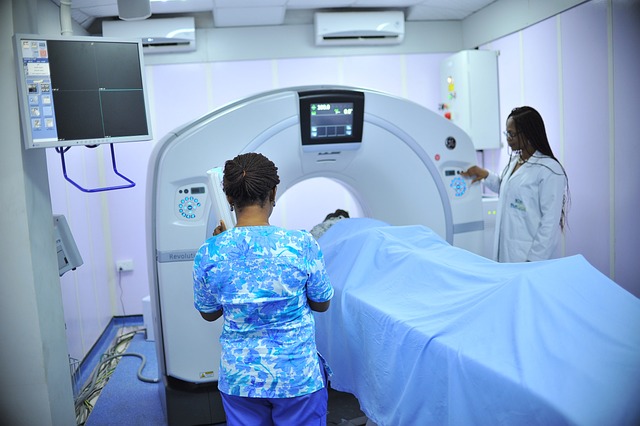
Diagnosis typically involves a physical examination and may include imaging tests or blood tests to determine the underlying cause of the swelling.
Treatment Options
Treatment for edema depends on its cause. Some general approaches include:
- Medication: Diuretics may be prescribed to help reduce fluid retention.
- Lifestyle Changes: Reducing salt intake and increasing physical activity can help manage symptoms.
- Compression Therapy: Wearing compression garments can assist in reducing swelling, particularly in cases of lymphedema.
- Elevation: Elevating the affected limbs can help reduce swelling by promoting fluid drainage.
When to Seek Medical Attention
While mild swelling may not be a cause for concern, it is important to seek medical attention if swelling is persistent, accompanied by pain, redness, or warmth, or if it occurs suddenly without an obvious cause. These could be signs of a more serious condition that requires prompt evaluation.
Conclusion
Understanding swellings in bodily tissues, particularly edema and lymphedema, is crucial for effective management. By recognizing the symptoms, causes, and treatment options, individuals can take proactive steps towards maintaining their health and well-being. If swelling becomes a concern, consulting a healthcare professional is always advisable to ensure appropriate care.
 isabelle
























 Elderly Supports.org: A Comprehensive Resource for Senior Care
 Health
  Fitness
  Lifestyle
  Tech
Tech  Travel
  Food
Food  Education
  Parenting
  Career & Work
  Hobbies
  Wellness
  Beauty
  Cars
Cars  Art
Art  Science
  Culture
  Books
Books  Music
Music  Movies
  Gaming
  Sports
  Nature
  Home & Garden
  Business & Finance
  Relationships
  Pets
Pets  Shopping
  Mindset & Inspiration
  Environment
  Gadgets
  Politics