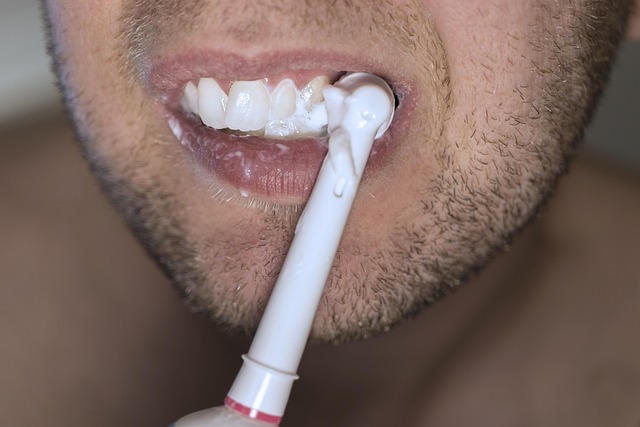
Tooth Staining From Stannous Fluoride
Understanding Tooth Staining from Stannous Fluoride
In the realm of dental care, the quest for a radiant smile often leads individuals to explore various oral hygiene products. Among these, toothpaste and mouthwashes containing stannous fluoride have gained popularity due to their purported benefits in combating cavities and enhancing gum health. However, a lesser-known consequence of these products is their potential to cause tooth staining, a phenomenon that warrants attention and understanding.
The Mechanism Behind Staining
Stannous fluoride, a compound utilized in many dental care formulations, is recognized for its ability to strengthen enamel and reduce plaque formation. Yet, its interaction with oral bacteria can lead to unintended discoloration. When stannous fluoride is applied, it dislodges bacteria from the tooth surface. These bacteria can subsequently adhere to the teeth, resulting in brown stains that are often challenging to remove.
Similarly, mouth rinses containing cetylpyridinium chloride, another common ingredient, can contribute to this staining issue. The combination of these compounds can exacerbate the problem, particularly for individuals who may be more susceptible to discoloration.
Identifying Susceptibility
Not everyone experiences staining from stannous fluoride and cetylpyridinium chloride. Factors such as individual oral microbiome composition, dietary habits, and overall dental hygiene practices play a significant role in determining susceptibility. Some individuals may find that their teeth remain unaffected, while others may notice discoloration after consistent use of these products.
Preventive Measures
To mitigate the risk of tooth staining associated with stannous fluoride, several strategies can be employed:
- Consult with a Dental Professional: Regular check-ups with a dentist can help monitor oral health and address any concerns regarding staining.
- Choose Products Wisely: Opt for toothpaste and mouthwashes that do not contain stannous fluoride or cetylpyridinium chloride if staining is a concern.
- Maintain Consistent Oral Hygiene: Brushing twice daily and flossing can help reduce plaque buildup and minimize the risk of staining.
- Consider Professional Cleaning: Regular dental cleanings can effectively remove surface stains and maintain the brightness of teeth.
Addressing Existing Stains
For those who have already experienced staining, it is essential to approach the issue with care. Professional dental cleaning is often the most effective solution for removing stubborn stains caused by stannous fluoride. Dental hygienists are equipped with the tools and expertise to restore the natural luster of teeth, providing a noticeable difference in appearance.
Additionally, at-home whitening treatments may be considered, but it is advisable to consult with a dental professional before embarking on such methods. Some whitening products may exacerbate sensitivity or lead to further discoloration if not used correctly.
Conclusion
While stannous fluoride and cetylpyridinium chloride offer valuable benefits in oral care, awareness of their potential to cause tooth staining is crucial. By understanding the mechanisms behind this phenomenon and implementing preventive measures, individuals can maintain their dental health without compromising the aesthetic appeal of their smiles. Ultimately, informed choices in oral hygiene can lead to a harmonious balance between health and beauty.
 liora
liora 




























 Diagram of Heart
 Health
  Fitness
  Lifestyle
  Tech
Tech  Travel
  Food
Food  Education
  Parenting
  Career & Work
  Hobbies
  Wellness
  Beauty
  Cars
Cars  Art
Art  Science
  Culture
  Books
Books  Music
Music  Movies
  Gaming
  Sports
  Nature
  Home & Garden
  Business & Finance
  Relationships
  Pets
Pets  Shopping
  Mindset & Inspiration
  Environment
  Gadgets
  Politics